Why Crawl Spaces Need a Different Approach
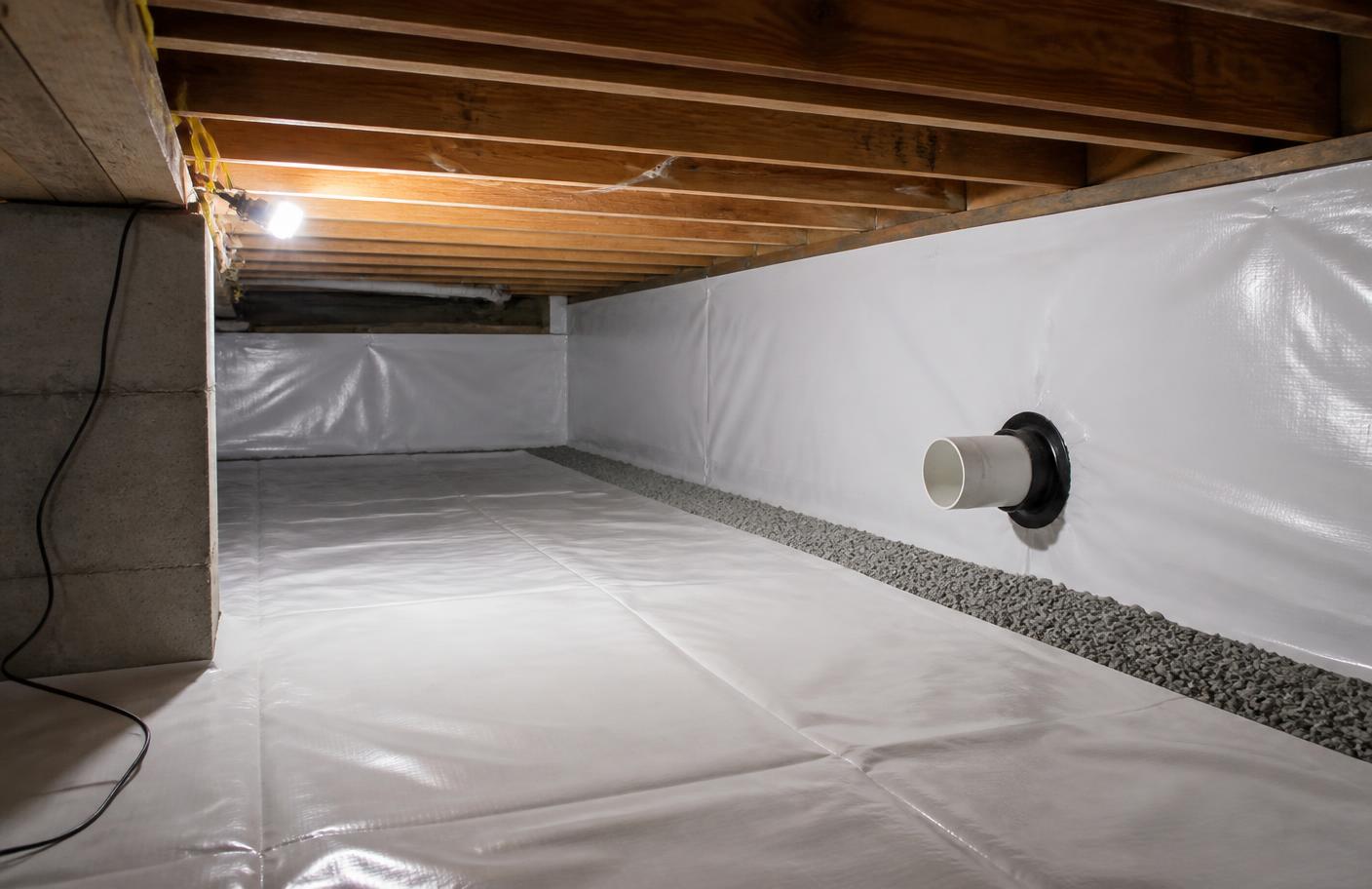
Unlike a basement's poured slab, a crawl space typically has an exposed dirt or gravel floor, meaning there's no solid surface to cut a suction pit into. Instead, crawl space mitigation relies on sub-membrane depressurization: a heavy-duty plastic vapor barrier is sealed across the entire crawl space floor, up the foundation walls, and around piers and supports, and a suction point draws air from beneath that membrane rather than beneath concrete.
This makes seal quality especially important in crawl spaces, since any gap, tear, or unsealed seam in the membrane reduces the system's ability to maintain negative pressure underneath it, allowing soil gas to bypass the intended suction pathway and enter through untreated areas of the floor.
How Sub-Membrane Depressurization Works
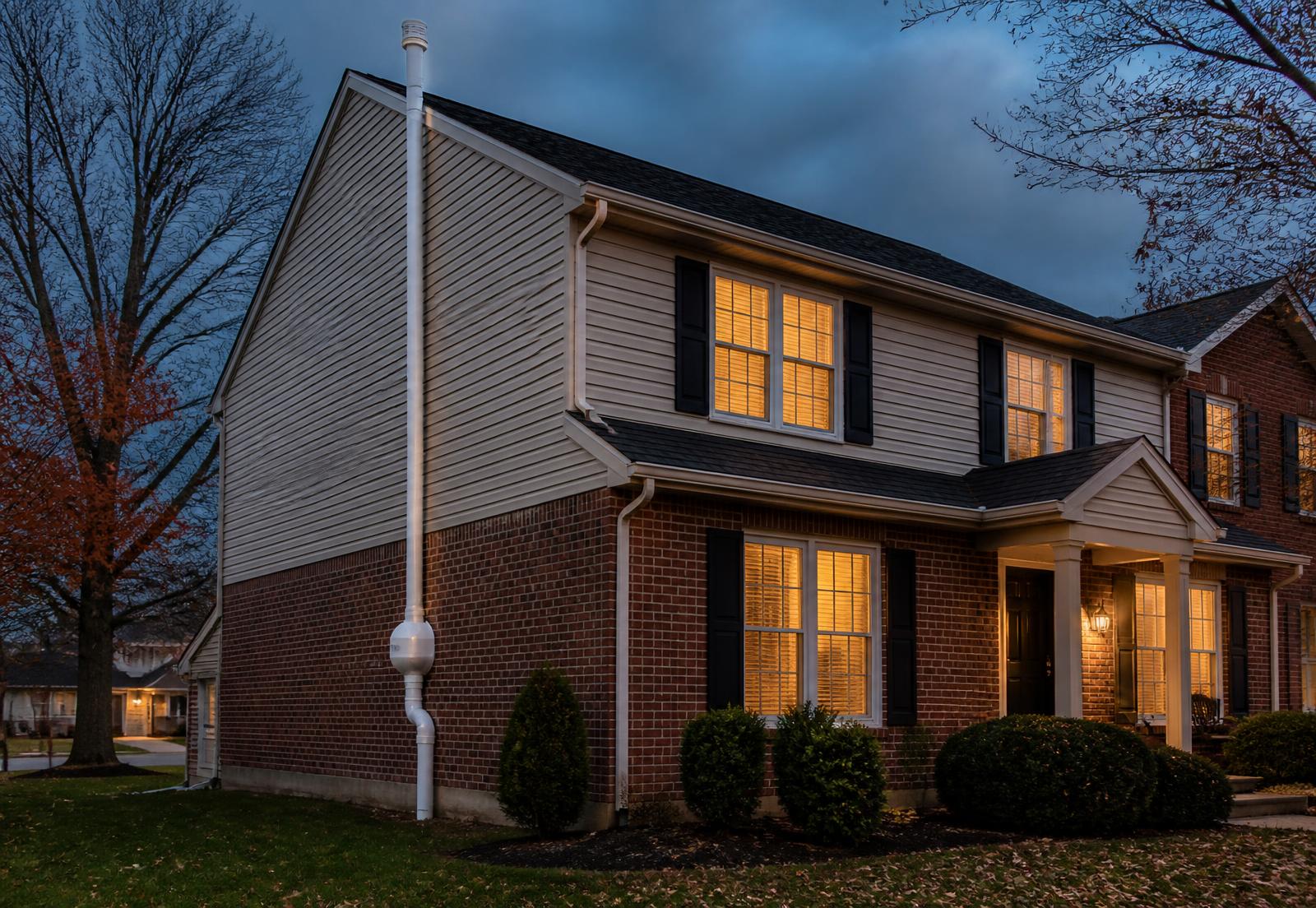
A suction pipe is typically inserted through the membrane near a low point or directly into a small excavated pit beneath it, then routed up through the crawl space and out to a roofline exhaust, following the same basic exhaust placement principles as a basement system. The fan creates negative pressure under the membrane, drawing soil gas into the pipe rather than letting it seep up through the crawl space floor and travel into the living space above through floor penetrations, HVAC ductwork, or the connecting rim joist area.
Larger or irregularly shaped crawl spaces, common in additions built onto older Indianapolis homes, sometimes need more than one suction point to maintain consistent depressurization across the full membrane area.
Crawl Space Encapsulation and How It Interacts With Mitigation
Encapsulation, sealing the crawl space more completely against outside air and moisture using a thicker liner, sealed vents, and sometimes a dehumidifier, is a related but distinct project from radon mitigation, though the two share overlapping materials and are often done together. A properly sealed radon membrane can serve double duty as part of an encapsulation approach, but a moisture-focused encapsulation project that isn't specifically designed for radon suction may not adequately support a mitigation system without modification.
Coordinating both projects together, or at least sequencing them thoughtfully if done separately, generally produces a better result than treating them as entirely unrelated undertakings, since redoing sealing work twice adds unnecessary cost and disruption.
Doing Radon Mitigation First
If mitigation comes first, encapsulation contractors should be made aware of the suction point location and membrane seal requirements so their later work doesn't disturb the radon system's seal integrity.
Doing Encapsulation First
If encapsulation comes first, using a radon-suitable membrane thickness and sealing approach from the start avoids needing to redo sealing work if mitigation is later found necessary.
Vented vs. Sealed Crawl Spaces in Indiana's Climate
Traditionally vented crawl spaces, with foundation vents allowing outside air exchange, were long standard practice but tend to invite humid outside air in during Indiana's warm, humid summers, which can lead to condensation and moisture issues against cooler crawl space surfaces. Sealed, encapsulated crawl spaces have become more common specifically to address that moisture dynamic, but a sealed crawl space with elevated radon needs an active mitigation system rather than relying on sealing alone, since sealing without depressurization can, in some cases, allow soil gas to concentrate rather than dilute.
This is a key reason radon and moisture management should be considered together for Indiana crawl spaces rather than as separate, unrelated problems.
- Vented crawl spaces can invite humid outside air during Indiana summers
- Sealed crawl spaces need active depressurization if radon is elevated, not sealing alone
- Moisture and radon mitigation share overlapping materials and are often addressed together
- A dehumidifier may still be part of a sealed crawl space plan independent of radon concerns
Testing Crawl Space Homes
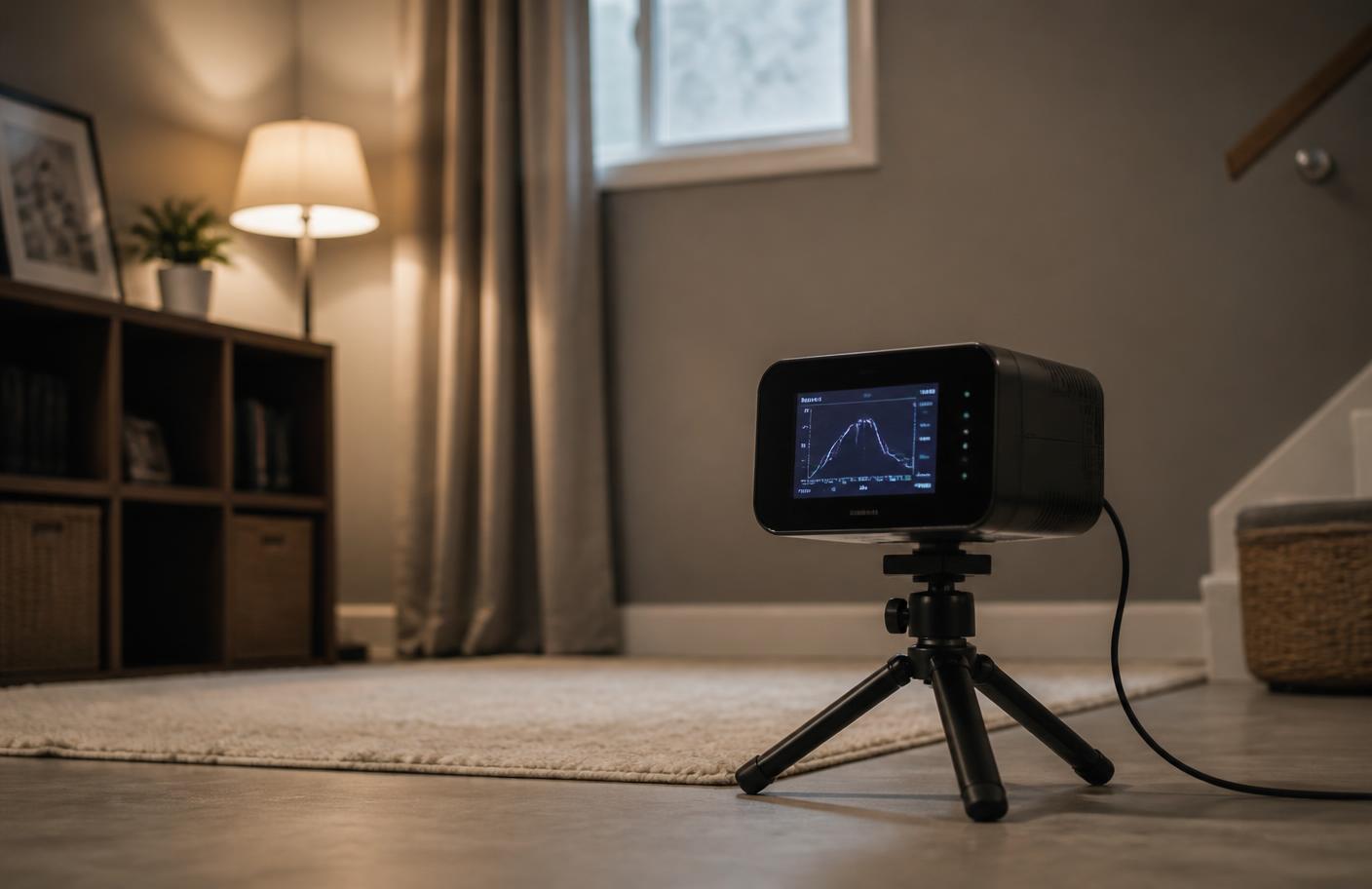
As covered on the Indiana Radon Testing Guide, testing for a crawl space home is generally conducted on the lowest floor of the living space above the crawl space, not inside the crawl space itself, since the crawl space is not occupied living space. This is a common point of confusion worth restating here specifically for crawl space homeowners planning their own test.
When a Crawl Space Home Needs More Than One System
Homes with a combination of a basement under part of the structure and a crawl space under an addition, common in expanded older Indianapolis homes, often need separate sub-slab and sub-membrane systems addressing each foundation section independently, since they typically don't share a continuous connection that would let a single system depressurize both.