Common Signs a System Needs Repair
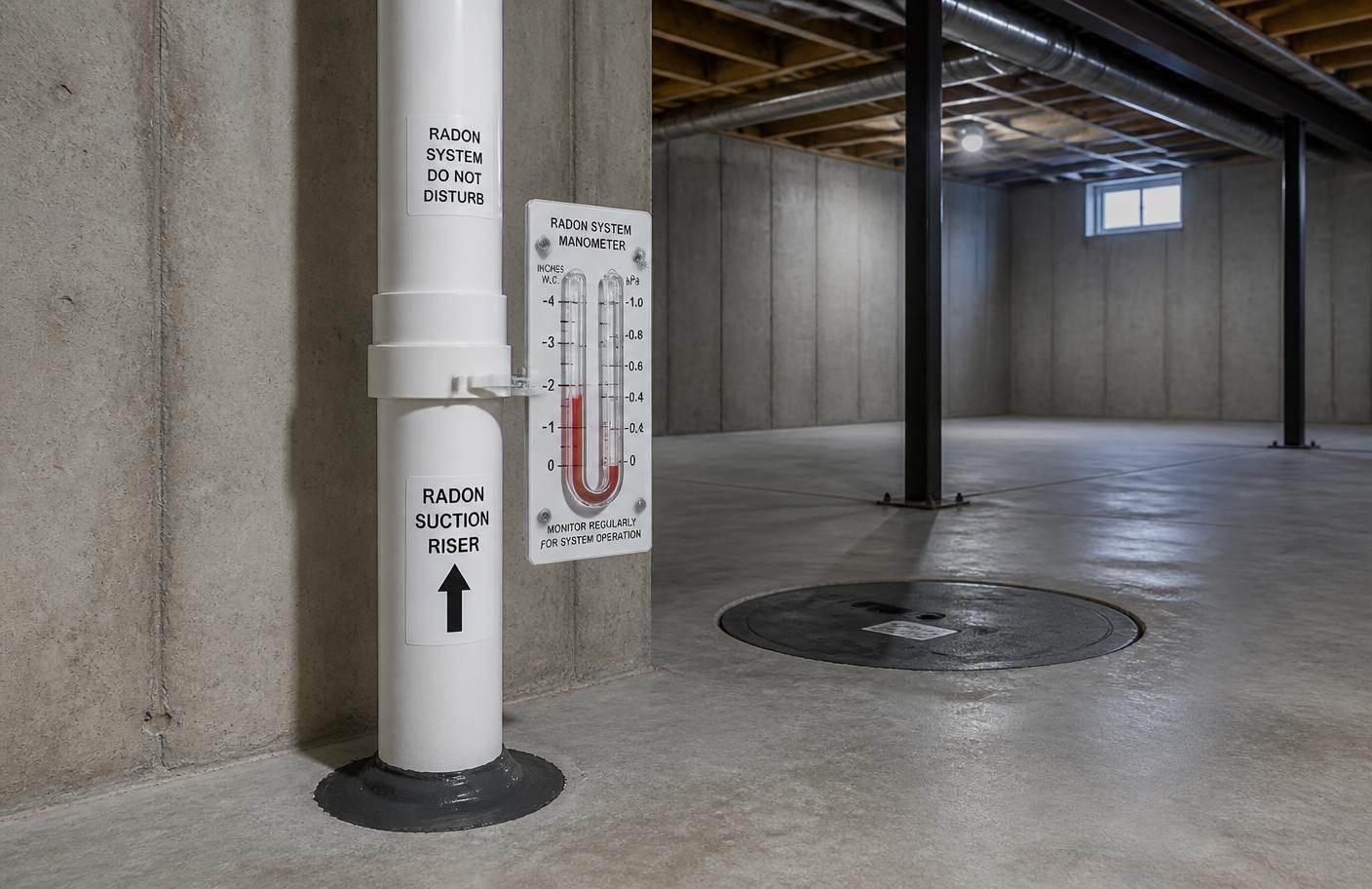
The most obvious sign is a gauge, whether a U-tube manometer or a digital indicator, reading outside its normal range or showing no suction at all, which usually means the fan has stopped running or a pipe connection has failed. A fan that has gone quiet, one that suddenly sounds louder or different than usual, or visible cracks and separated joints in exterior PVC piping are all reasons to schedule a diagnostic visit rather than waiting for the next retest to reveal a problem.
Homeowners sometimes only discover a failed system when a radon retest, often triggered by a home sale or a routine long-term test, comes back unexpectedly high years after a system was installed and working fine. This is why we recommend checking the gauge periodically rather than assuming a system installed years ago is still functioning.
Diagnosing the Failure
We start with the gauge and a manometer check at the suction pipe to confirm whether the fan is actually creating suction, then work backward through the system: checking the fan for continuity and proper operation, inspecting accessible piping for cracks, separated couplings, or condensation buildup that has restricted airflow, and checking the suction pit seal at the slab for a failed pipe boot or degraded sealant.
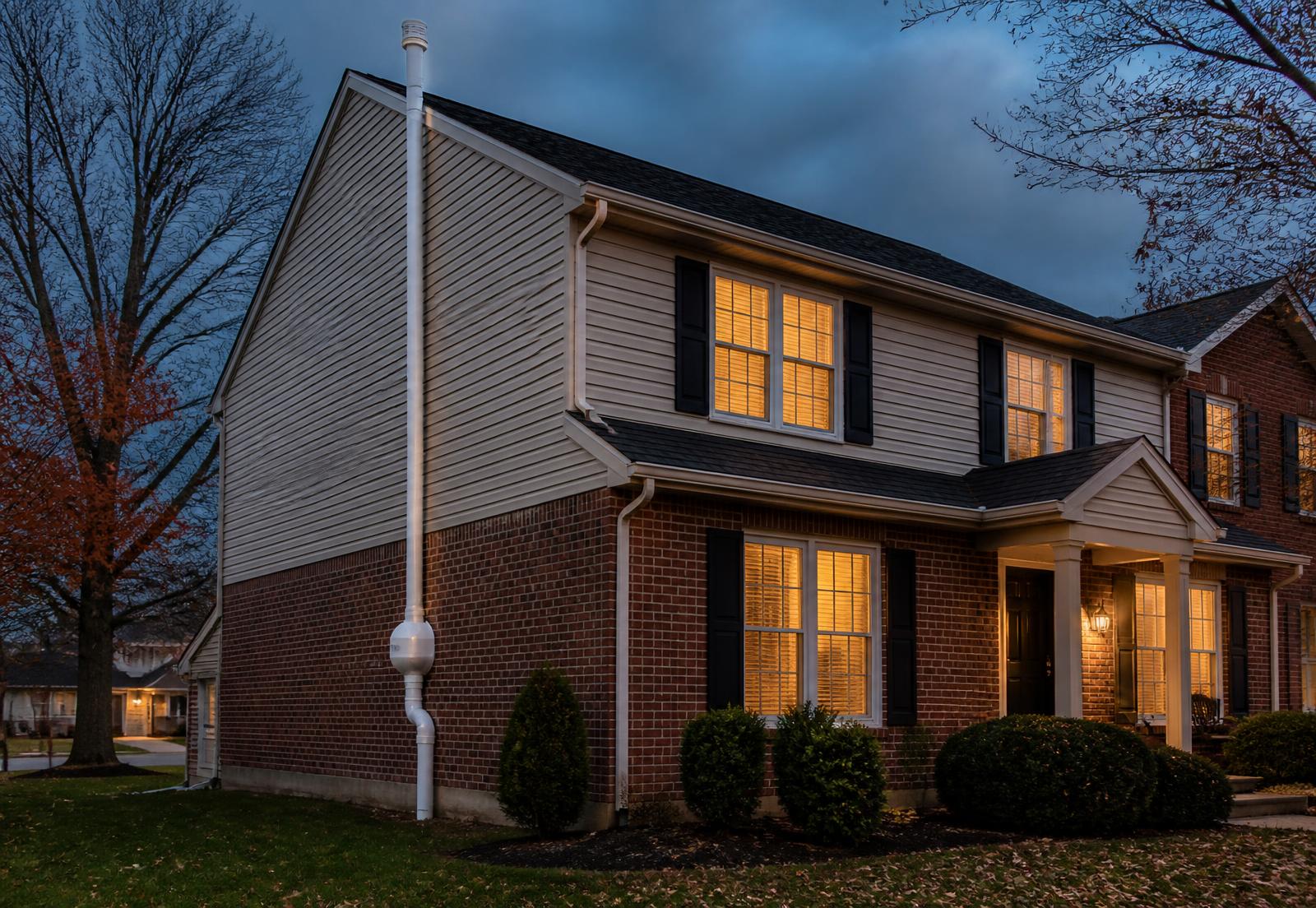
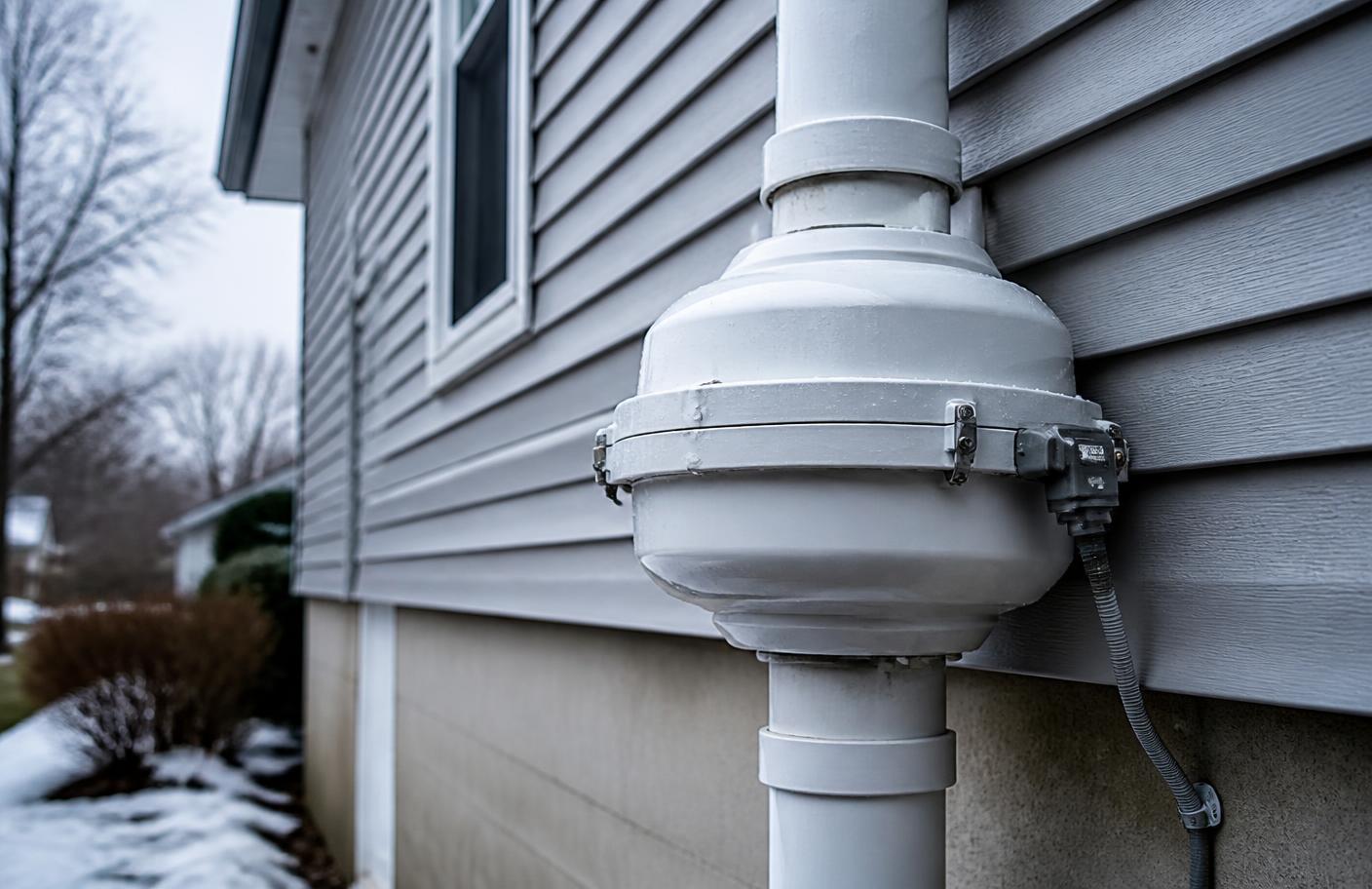
Exterior-mounted fans are especially exposed to temperature swings and UV exposure over the years, which can cause housing cracks or motor bearing wear that eventually leads to failure. Attic-mounted fans are more protected from weather but can suffer from condensation issues if the fan was installed at an incorrect angle, since standing water inside the housing accelerates motor failure.
- Manometer check to confirm actual suction at the pipe
- Fan motor inspection for continuity, noise, and physical damage
- Pipe and joint inspection for cracks or separated couplings
- Slab and crawl space seal inspection at the suction point
Repairing Piping and Seal Failures
Cracked or separated PVC sections are cut out and replaced with properly primed and cemented fittings, and any exterior runs damaged by impact, ladder contact, or age are reinforced or rerouted if the original path proved vulnerable. A failed pipe boot or degraded sealant at the slab penetration is stripped and resealed with fresh polyurethane sealant to restore an airtight connection at the suction pit.
In crawl space systems, membrane tears or seams that have separated from foundation walls over time are a common source of lost suction, and we patch or reseal the membrane rather than simply replacing the fan when the underlying problem is actually a compromised vapor barrier.
When the Problem Isn't the Fan
It is common for a homeowner to assume a silent gauge means a dead fan, when the actual cause is a disconnected pipe joint or a failed slab seal upstream of a fan that is still spinning fine. Diagnosing the actual point of failure, rather than reflexively replacing the fan, saves unnecessary cost and gets the system working correctly the first time.
Repairs on Systems We Did Not Originally Install
We regularly service radon systems installed by other contractors, including systems the current homeowner inherited from a previous owner with no documentation of the original design. In these cases we first map out the existing system, confirm suction pit locations and pipe routing, and identify the fan model before proposing repairs, since replacement parts and repair approaches vary between fan manufacturers.
Retesting After Repair
Once a repair is complete and the system is confirmed to be creating proper suction again, we recommend a follow-up radon test to verify indoor levels have returned to the range the system originally achieved. This is especially important if the system was down for an extended period before the failure was noticed, since indoor radon levels can climb back toward pre-mitigation levels during that time.