Normal fan sound versus a change worth investigating
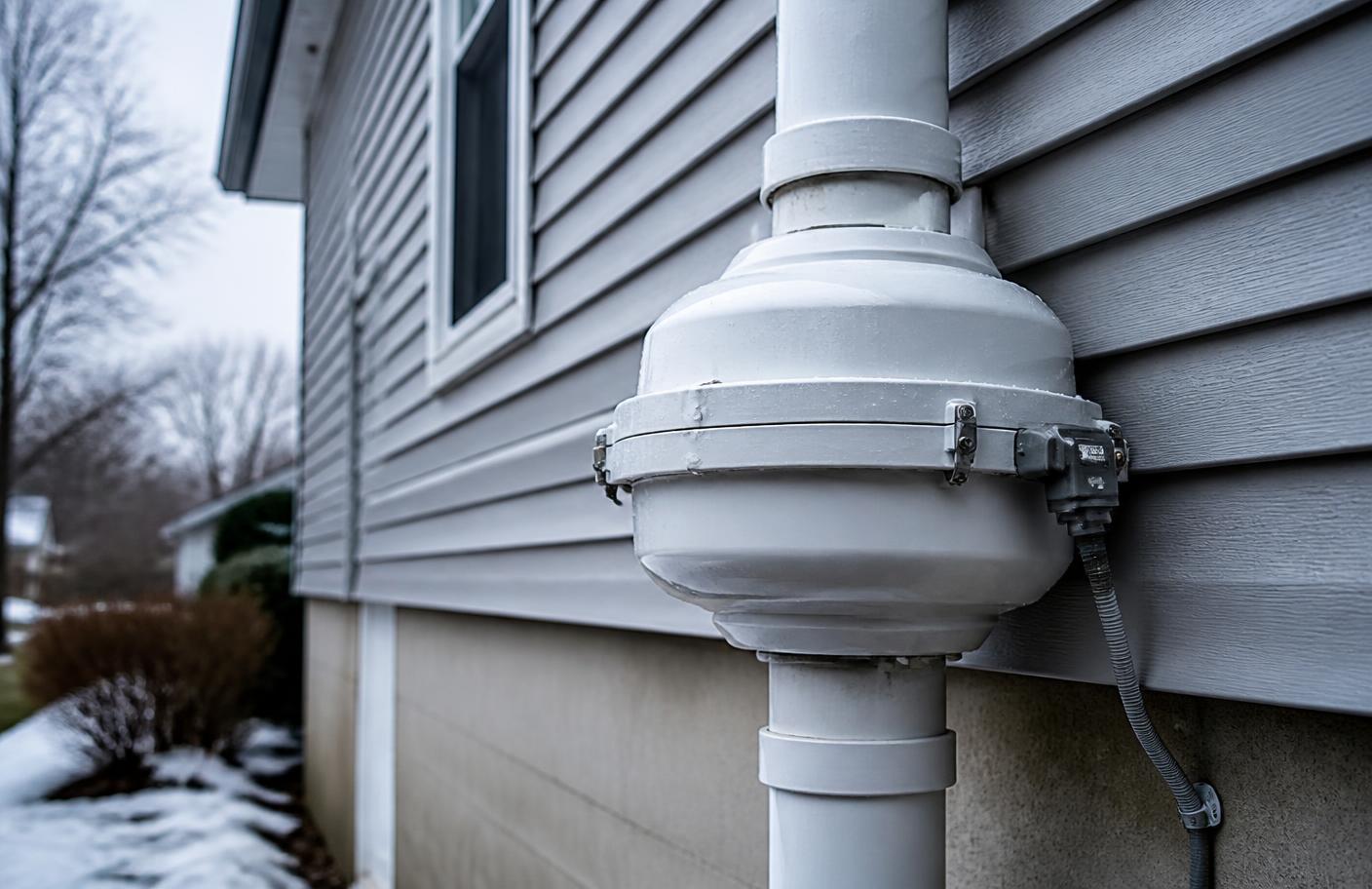
A healthy inline radon fan produces a steady, moderate hum, often compared to a bathroom exhaust fan or a distant vacuum, and this sound is typically most noticeable near the fan's exterior or attic location rather than throughout the house. This baseline sound level is normal and expected as long as it stays consistent over time.
What matters diagnostically is change: a fan that gets noticeably louder, develops a new pitch, or starts making an intermittent sound it didn't make before. Homeowners who become familiar with their system's normal operating sound early on are in a better position to notice a meaningful change months or years later.
Grinding, whining, or high-pitched noise
A grinding or whining sound, especially one that gradually worsens over weeks or months, is the classic sign of bearing wear inside the fan motor. As bearings degrade, the internal rotor loses its smooth, quiet spin and begins to produce friction-based noise, sometimes accompanied by the motor housing feeling warmer than usual to the touch.
This type of noise generally indicates the fan is approaching the end of its service life, commonly within the 5-to-10-year range typical of radon fans, and should be evaluated for replacement before the motor fails outright and suction is lost.
Rattling, vibration, and whistling
A rattling sound is often mechanical rather than motor-related, coming from loose fan housing brackets, a pipe coupling that has worked itself slightly loose, or debris that has entered the exhaust stack. Vibration transmitted into the living space, sometimes felt or heard through a wall or ceiling near the fan location, usually points to a mounting issue rather than the fan itself being faulty.
Whistling or a high-pitched air-rushing sound frequently comes from an airflow restriction or a small gap at a pipe joint acting like an air leak, effectively creating a whistle similar to wind through a partially open window. This can sometimes be resolved by resealing a joint rather than any fan-related repair at all.
- Grinding or whining that worsens over time: likely bearing wear, plan for fan replacement
- Rattling: often loose brackets, couplings, or debris in the exhaust stack
- Vibration felt indoors: usually a mounting or isolation issue, not a failing motor
- Whistling: frequently a small air leak or joint gap rather than the fan itself
Acoustic and mounting fixes that reduce noise
For vibration transmitted into living space, rubber isolation mounts or brackets between the fan and its mounting surface can significantly dampen the sound before it travels through framing. Ensuring the fan is mounted per manufacturer orientation, typically vertical inline with the pipe run rather than at an awkward angle, also reduces unnecessary mechanical strain and resulting noise.
Relocating a fan from an easily heard attic space to an exterior wall or roof mount, where sound dissipates into open air rather than transmitting through the structure, is another option some homeowners choose during a fan replacement, though it requires reassessing piping routes and exhaust termination requirements. Re-sealing loose couplings or joints often resolves whistling quickly and inexpensively.
When noise means it's time to call for service
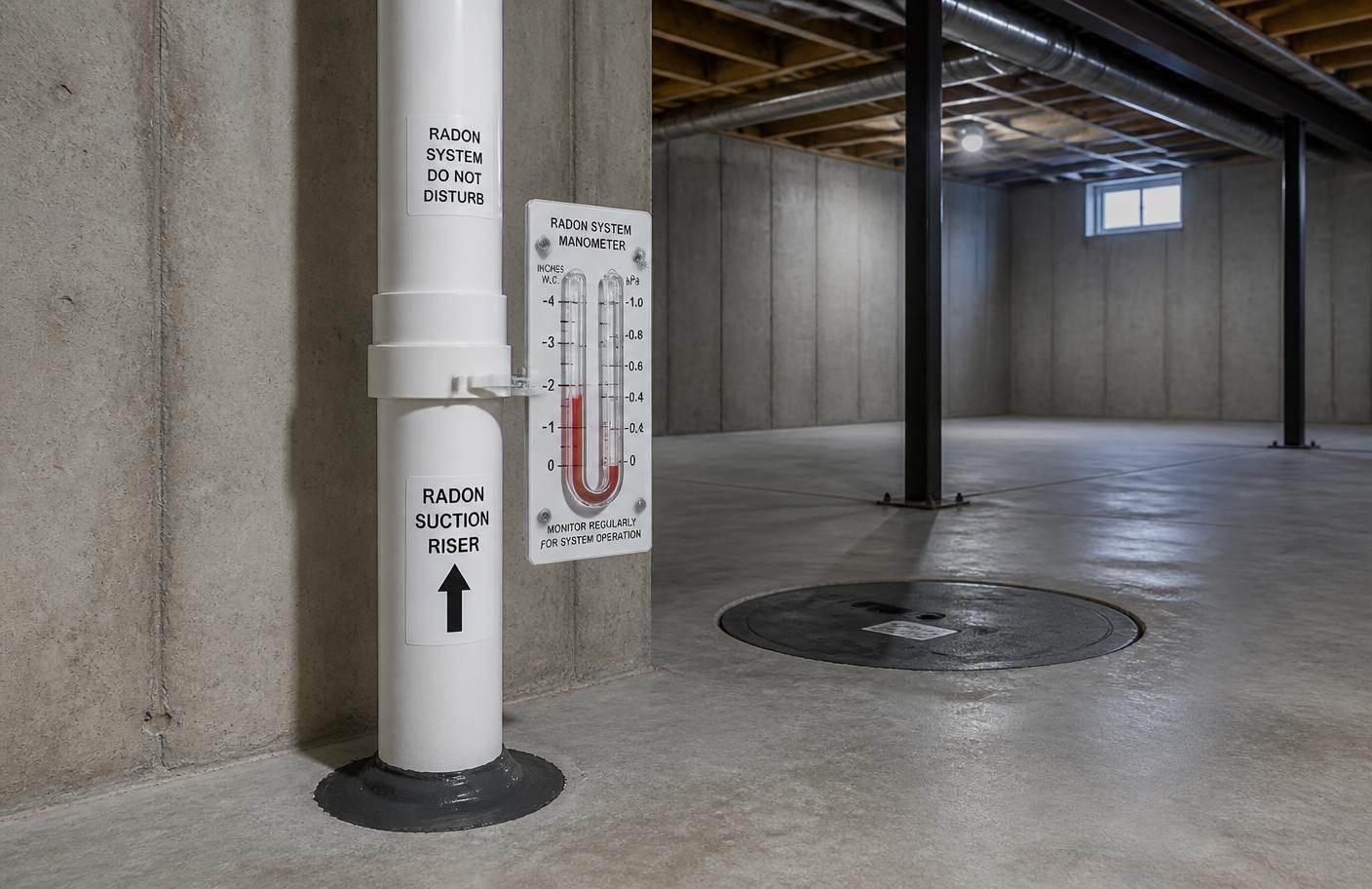
Any new grinding, whining, or a noise paired with a noticeable manometer change should prompt a service call rather than waiting to see if it resolves on its own, since these are typically signs of a mechanical problem rather than a cosmetic annoyance. Rattling and whistling are lower urgency but still worth addressing, since a loose fitting can, over time, develop into a larger air leak that reduces suction efficiency.
Our practice is to inspect the fan motor, mounting hardware, and nearby joints together when addressing a noise complaint, since isolating the true source sometimes requires physically touching different sections of the pipe run to feel where vibration or sound is originating.