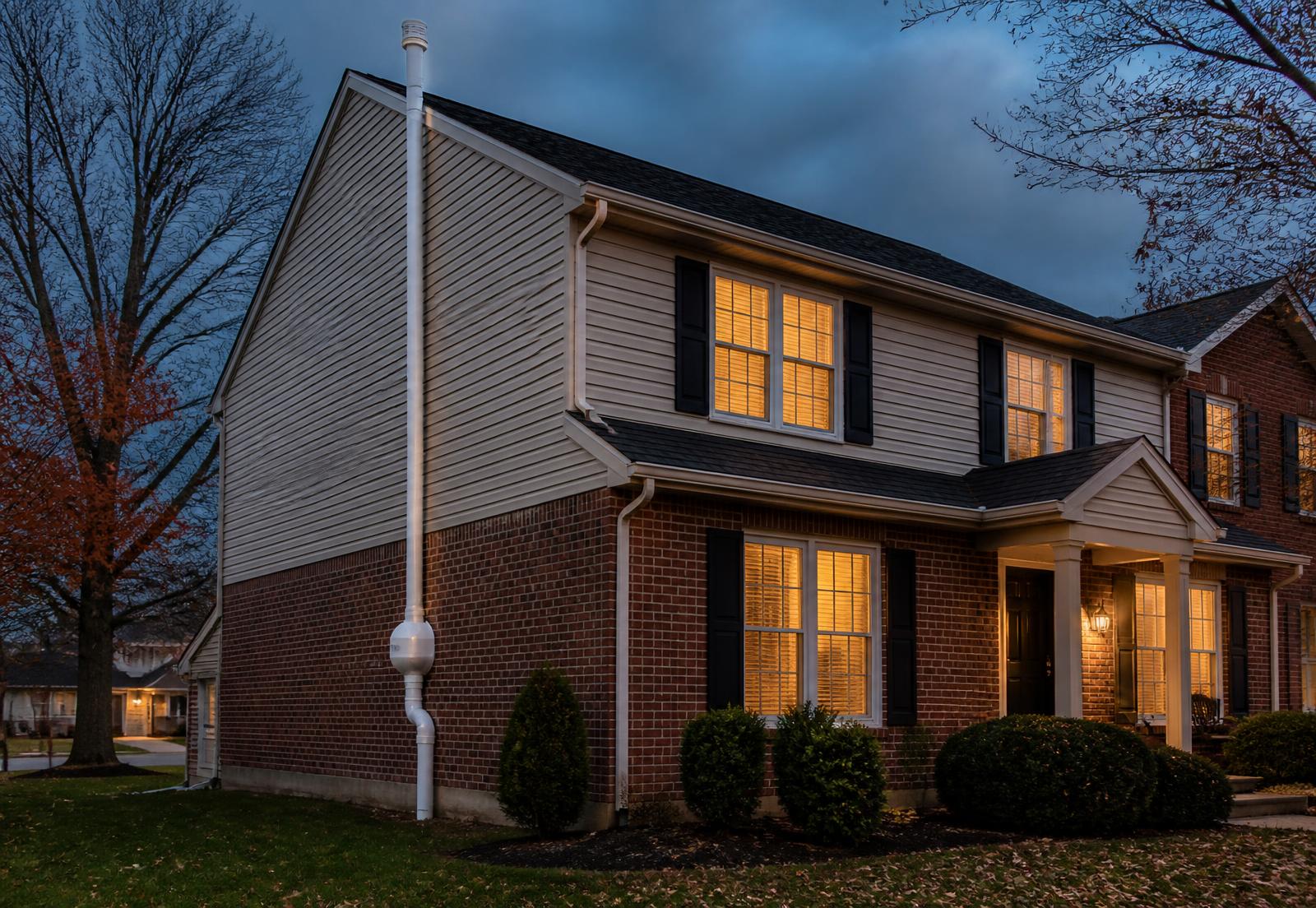
Signs a Fan Needs Replacement Rather Than Repair
A radon fan that has stopped running entirely, is drawing power but producing no measurable suction at the gauge, or has visible housing cracks or leaking sealant at its internal seams has generally reached the end of its service life. Fans that run for years continuously will eventually wear out simply from the accumulated hours of motor operation, similar to any continuous-duty appliance motor.
Some fans can be repaired if the issue is isolated to a wiring connection or a loose mounting bracket, but once the motor bearings themselves are worn or the housing has cracked from age and weather exposure, replacement is the more reliable and often more cost-effective option than attempting a motor rebuild.
Matching the Replacement Fan to the System
Not every radon fan is interchangeable. Fans are rated by static pressure capability and airflow, and the correct replacement depends on what the original system was designed to overcome, based on foundation size, soil permeability and number of suction points feeding that fan. Installing an undersized replacement fan on a system that originally needed a higher static pressure unit can result in a gauge reading that looks fine at the fan but insufficient suction reaching distant parts of the slab.
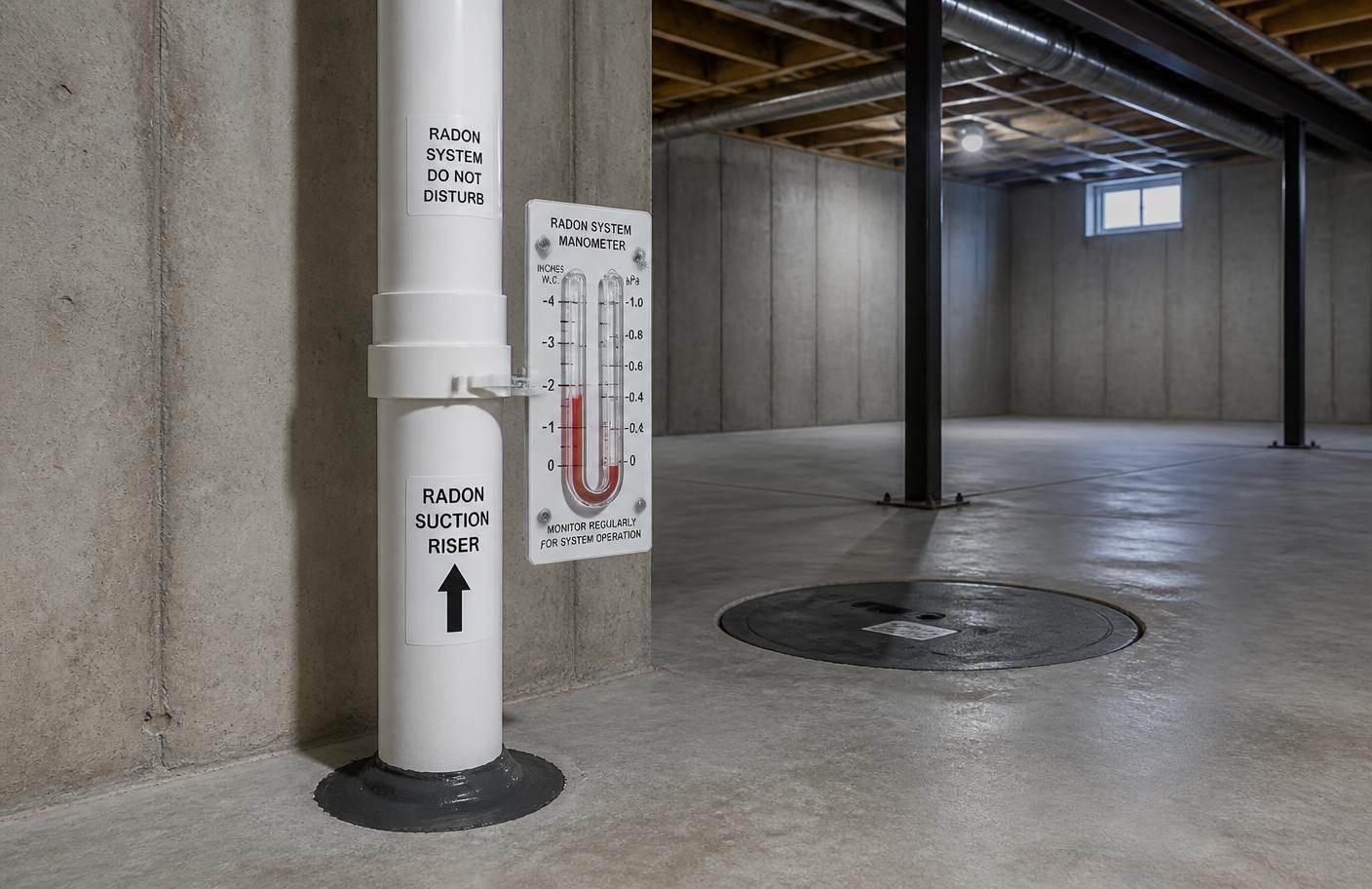
We take a manometer reading at the suction pipe both before removing the old fan and after installing the new one to confirm the replacement is actually restoring, or improving, the suction the system originally achieved rather than just getting the gauge moving again.
- Static pressure and airflow rating matched to the original system design
- Manometer verification before and after fan swap
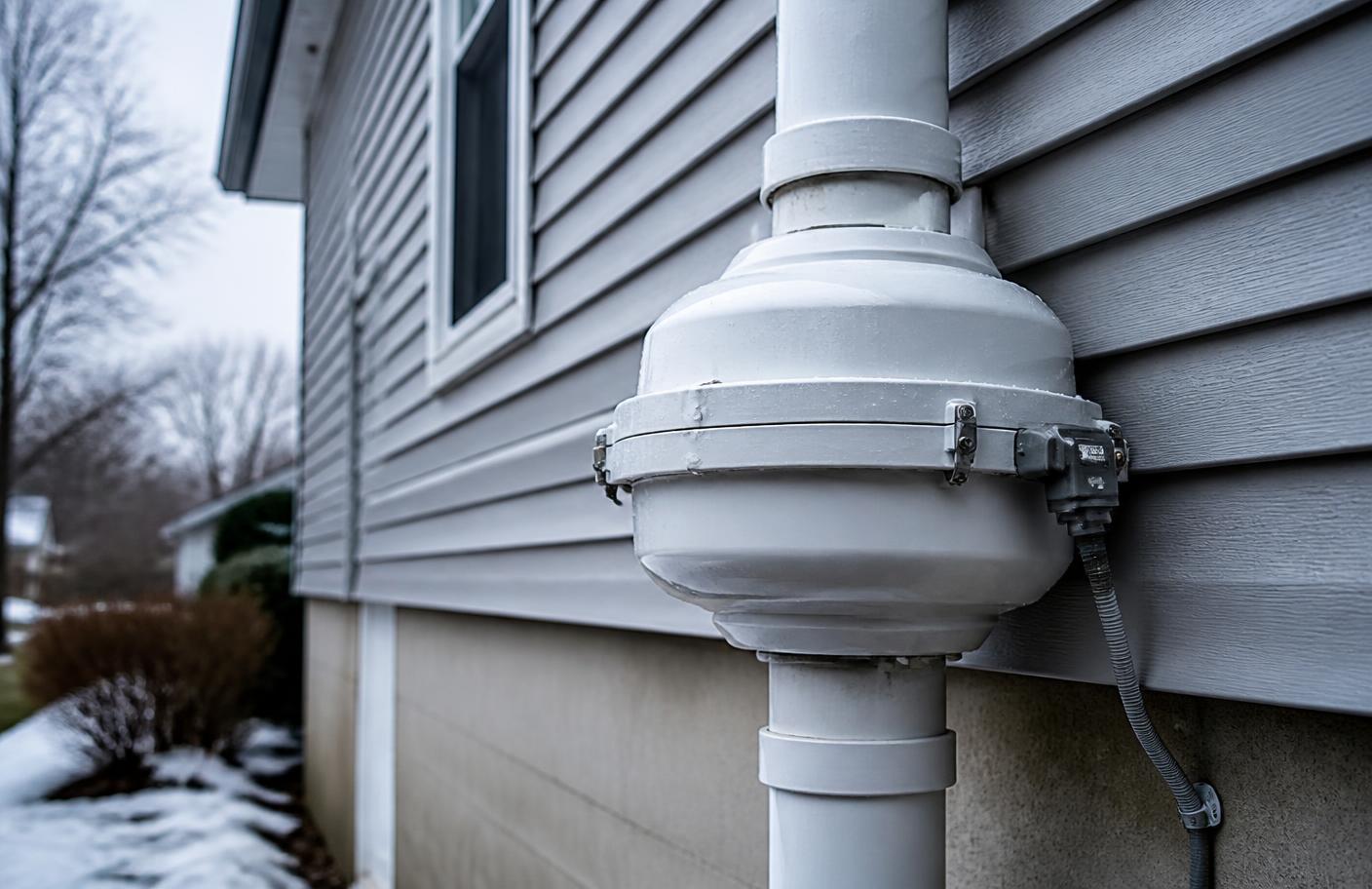
- Weatherproof rated fans for exterior mounting locations
- Condensation-tolerant orientation for attic-mounted units
Exterior vs. Attic-Mounted Replacement Considerations
Exterior-mounted fans are exposed to Indiana's full range of weather, from summer heat and UV exposure to winter freeze-thaw cycles, and this environment tends to shorten housing and seal life compared to a protected attic location. When replacing an exterior fan, we use a fan rated for outdoor mounting and check that surrounding pipe supports and brackets are still solid before installing the new unit.
Attic-mounted fans face a different set of stresses, mainly heat buildup in summer and condensation from temperature differences between the pipe's warm interior air and the cooler attic space in winter. We orient the replacement fan per manufacturer specification so any condensation drains back down the pipe rather than pooling inside the fan housing, which is a common cause of premature failure on attic units installed at the wrong angle originally.
Replacing With a Different Fan Model
When the original fan model is discontinued or unavailable, we select a comparable replacement based on matching static pressure and airflow specifications rather than simply choosing the next fan on the shelf, and we re-verify suction with a manometer once it is running to confirm equivalent performance to the original design.
Electrical and Mounting Work During Replacement
We inspect the existing electrical connection during replacement to confirm the circuit is still properly grounded and rated for the new fan's draw, since fan wattage can vary between models. Mounting hardware, vibration isolation couplings, and pipe supports are checked and replaced as needed so the new fan is not carrying stress from a sagging or improperly supported pipe run.
Verifying Radon Levels After Replacement
Once the new fan is installed and confirmed to be creating proper suction, we recommend a radon retest to confirm indoor levels have returned to, or improved beyond, where they were when the system was functioning properly. This is particularly important if the old fan had been failing gradually for some time before full failure, since indoor levels may have crept upward during that period.