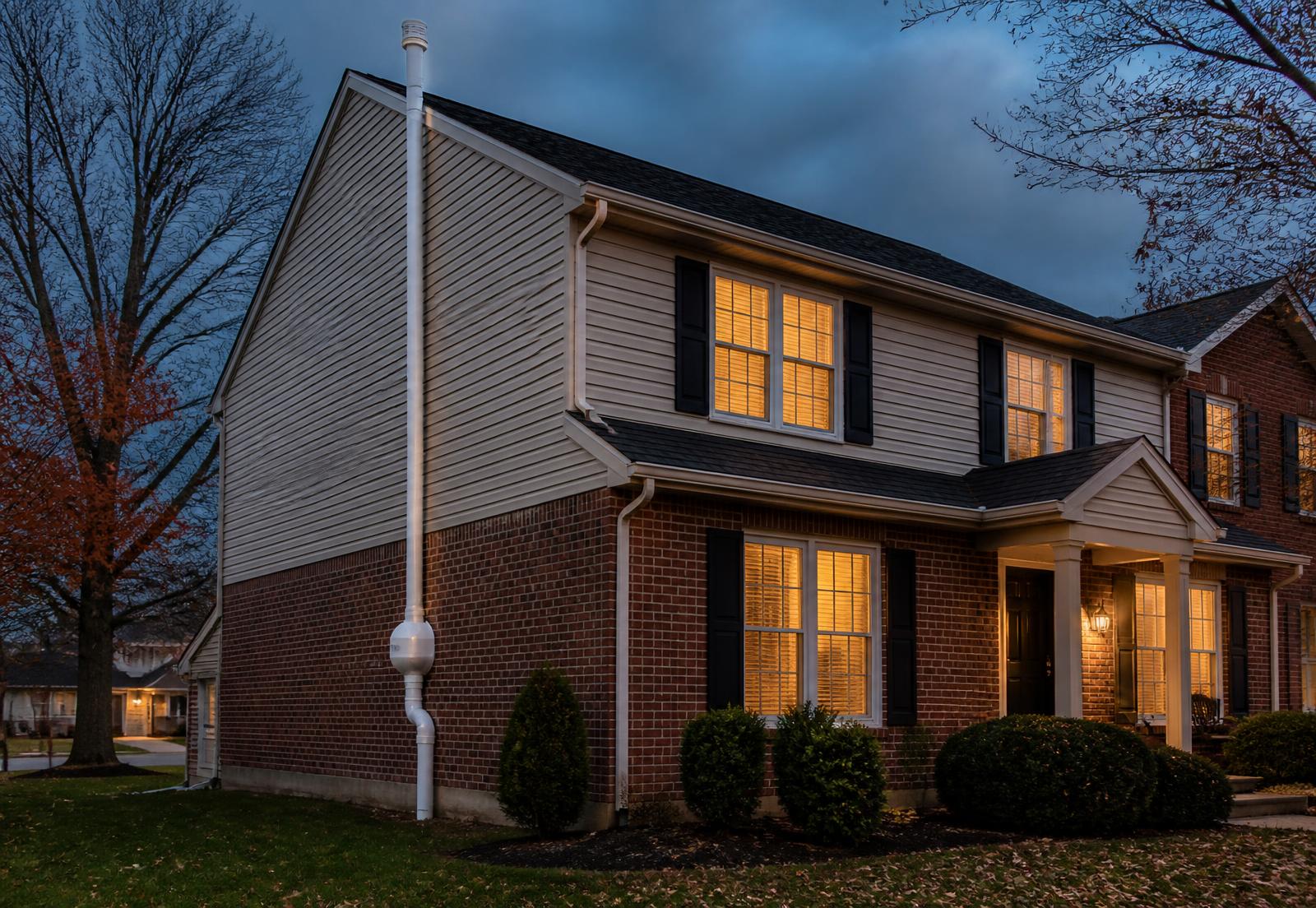
How Radon Forms and Moves Through Soil
Radon is produced by the natural radioactive decay of uranium, which is present in small amounts in nearly all soil and rock. As uranium breaks down, it passes through radium and eventually becomes radon gas. Because radon is a gas, it can move freely through the pore spaces, cracks, and fissures in soil until it reaches the surface, where it typically dissipates harmlessly into outdoor air.
The glacial till soils common across Central Indiana, including much of Marion County, tend to be dense but fractured with varying permeability, which can create pathways for soil gas to migrate laterally toward a home's foundation. When a house creates a slight negative pressure relative to the soil beneath it, a phenomenon known as the stack effect, radon-laden soil gas is drawn indoors rather than escaping into the atmosphere outside.
Why Indianapolis Homes Are Considered Higher Risk
The EPA has designated Marion County and most of Central Indiana as Zone 1, its highest radon potential category, meaning predicted average indoor screening levels exceed 4 pCi/L. This designation is based on geology, soil characteristics, and historical testing data rather than any single home's condition, so it applies broadly across neighborhoods from downtown Indianapolis to the surrounding suburbs.
Housing stock also plays a role. Many Indianapolis neighborhoods, including Meridian-Kessler, Broad Ripple, Irvington, and Butler-Tarkington, feature older homes with block or stone foundations that can have more entry points for soil gas, such as mortar joint gaps, hollow block cavities, and utility penetrations. Newer homes are not immune either, since even tight, energy-efficient construction can trap radon indoors once it enters.
How Radon Enters a Home
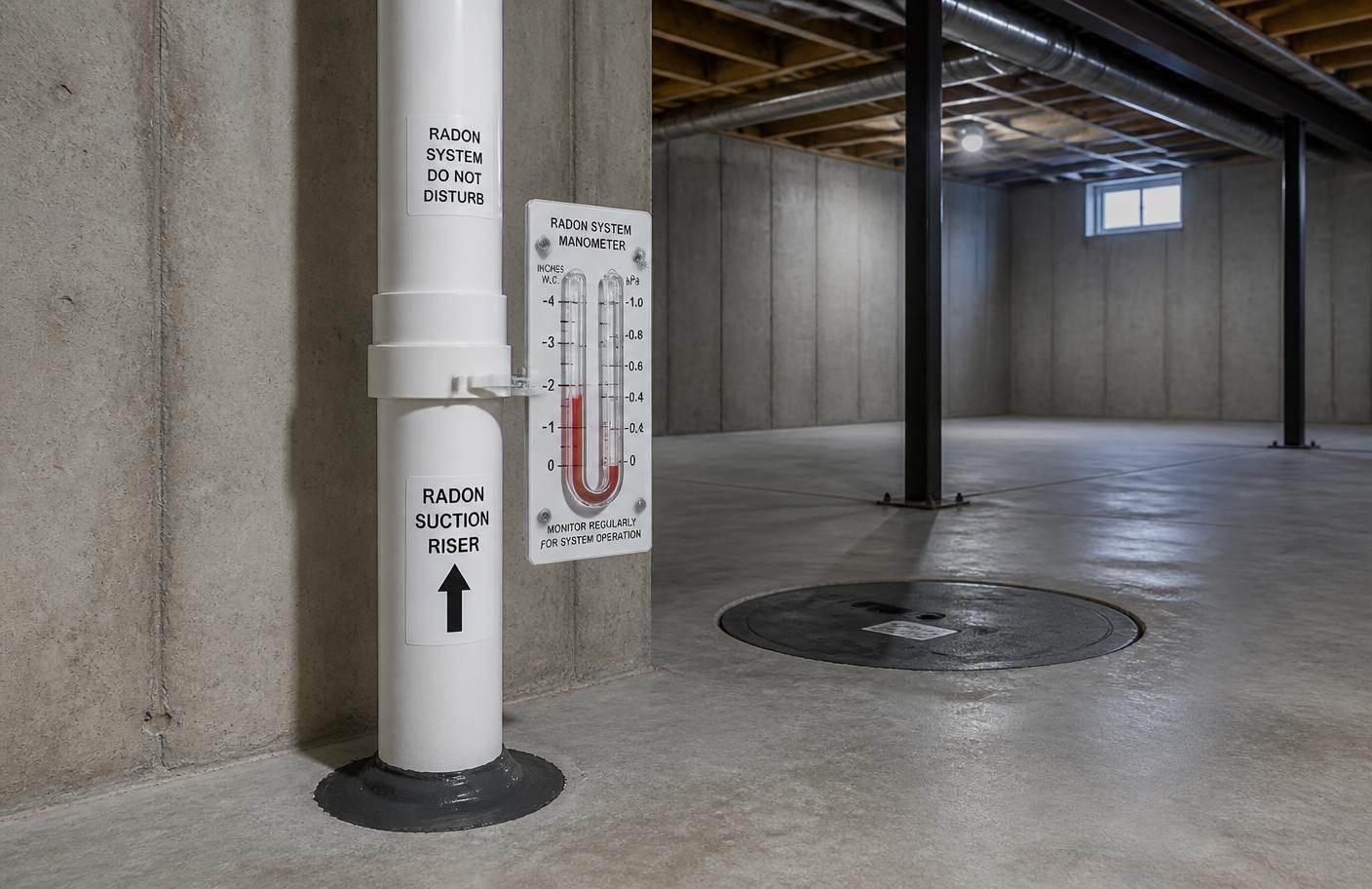
Radon typically enters through the path of least resistance between the soil and the living space. This includes cracks in basement floor slabs, gaps around sump pits, exposed dirt in crawl spaces, hollow block foundation walls, and openings around pipes or drain tile that penetrate the foundation.
- Cracks and control joints in concrete slabs
- Sump pits and drain tile connections
- Gaps around plumbing and utility penetrations
- Hollow concrete block foundation walls
- Exposed soil in unfinished crawl spaces
Why You Cannot Detect Radon Without Testing
Because radon has no smell, color, or taste, homeowners cannot rely on their senses to know whether a problem exists. Some people mistakenly assume that a musty basement odor or visible foundation cracks are signs of radon, but those conditions are unrelated indicators and radon can be elevated even in a clean, dry, well-maintained home.
Testing is the only reliable method, using either short-term devices like charcoal canisters and alpha-track detectors, or a continuous radon monitor that logs hourly readings. Results are reported in picocuries per liter (pCi/L) in the United States, with the EPA action level set at 4.0 pCi/L.
Radon and Health: What EPA and CDC Say
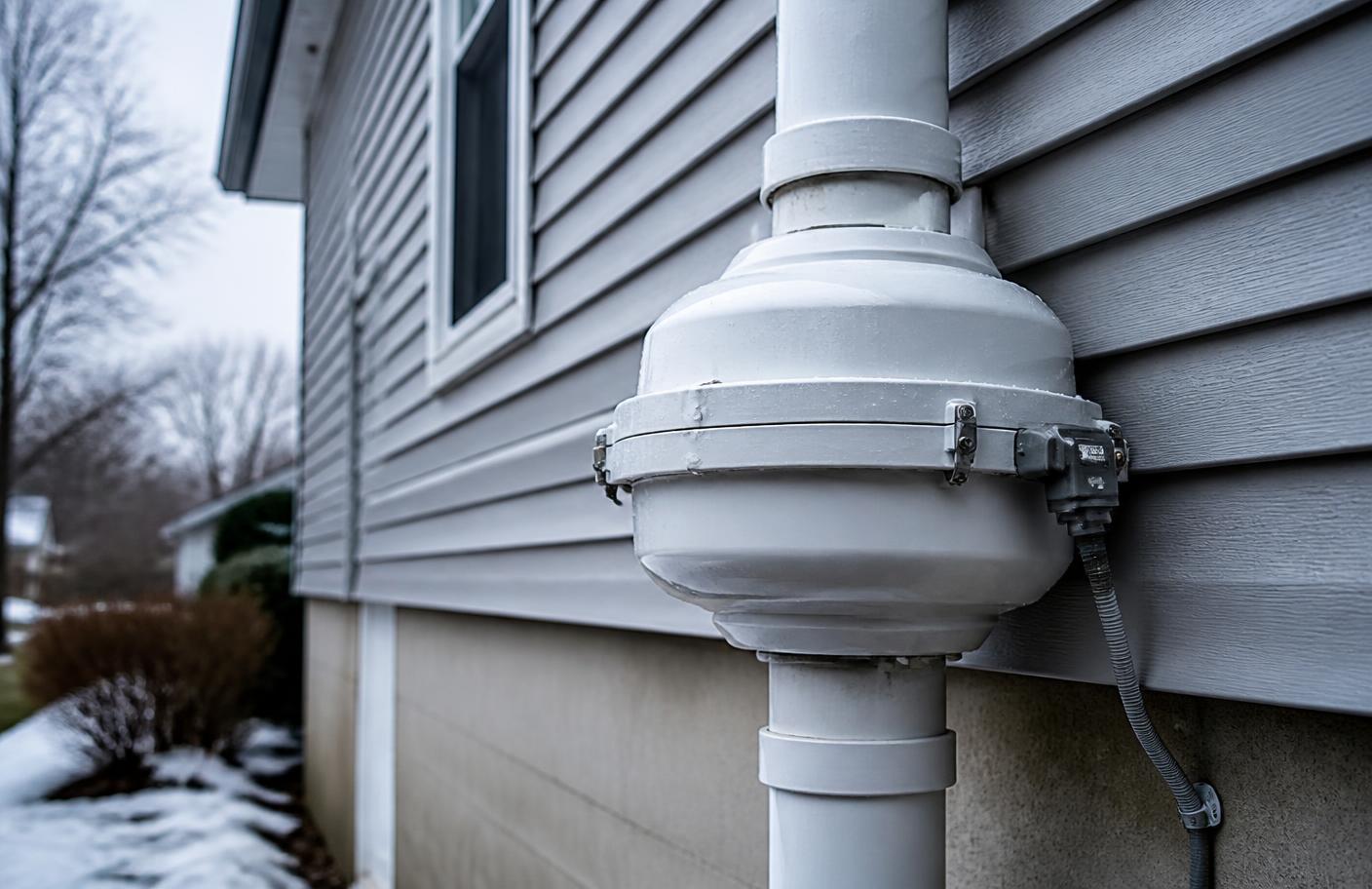
According to the EPA and CDC, radon is the second leading cause of lung cancer in the United States overall, and the leading cause of lung cancer among people who have never smoked. Risk increases with both radon concentration and duration of exposure, and is substantially higher for individuals who also smoke.
There is no known safe level of radon exposure, though EPA recommends fixing homes with levels at or above 4.0 pCi/L and encourages homeowners to consider action when results fall between 2 and 4 pCi/L. These are official public health guidelines, not medical advice, and anyone with health concerns should consult their physician.
Getting Started With a Radon Test
For Indianapolis homeowners who have never tested, a short-term test placed in the lowest lived-in level of the home is a common starting point and generally takes two to seven days under closed-house conditions. Long-term testing over 90 days or more can provide a more representative average given seasonal variation.
- Test the lowest level of the home that is regularly occupied
- Follow closed-house conditions before and during short-term tests
- Retest after any major renovation or foundation work