About
A measurement-first approach to radon in Central Indiana
Radon is invisible, odorless and slow-acting, which makes it easy to sell badly. Our work is built around the opposite instinct: establish what is actually in the air, understand why the foundation lets it in, and only then talk about equipment.
Why radon matters here
The EPA identifies radon as the second leading cause of lung cancer in the United States and the leading cause among people who have never smoked. It forms from the natural decay of uranium in soil and rock, seeps through foundation cracks, slab penetrations, sump pits and crawl space floors, and accumulates in enclosed lower levels.
Marion County and every surrounding county in Central Indiana are designated EPA Radon Zone 1, the highest of the three predictive zones. That designation does not mean a given house is elevated. It means the geology makes elevated results likely enough that skipping the test is not a reasonable position.
What we do
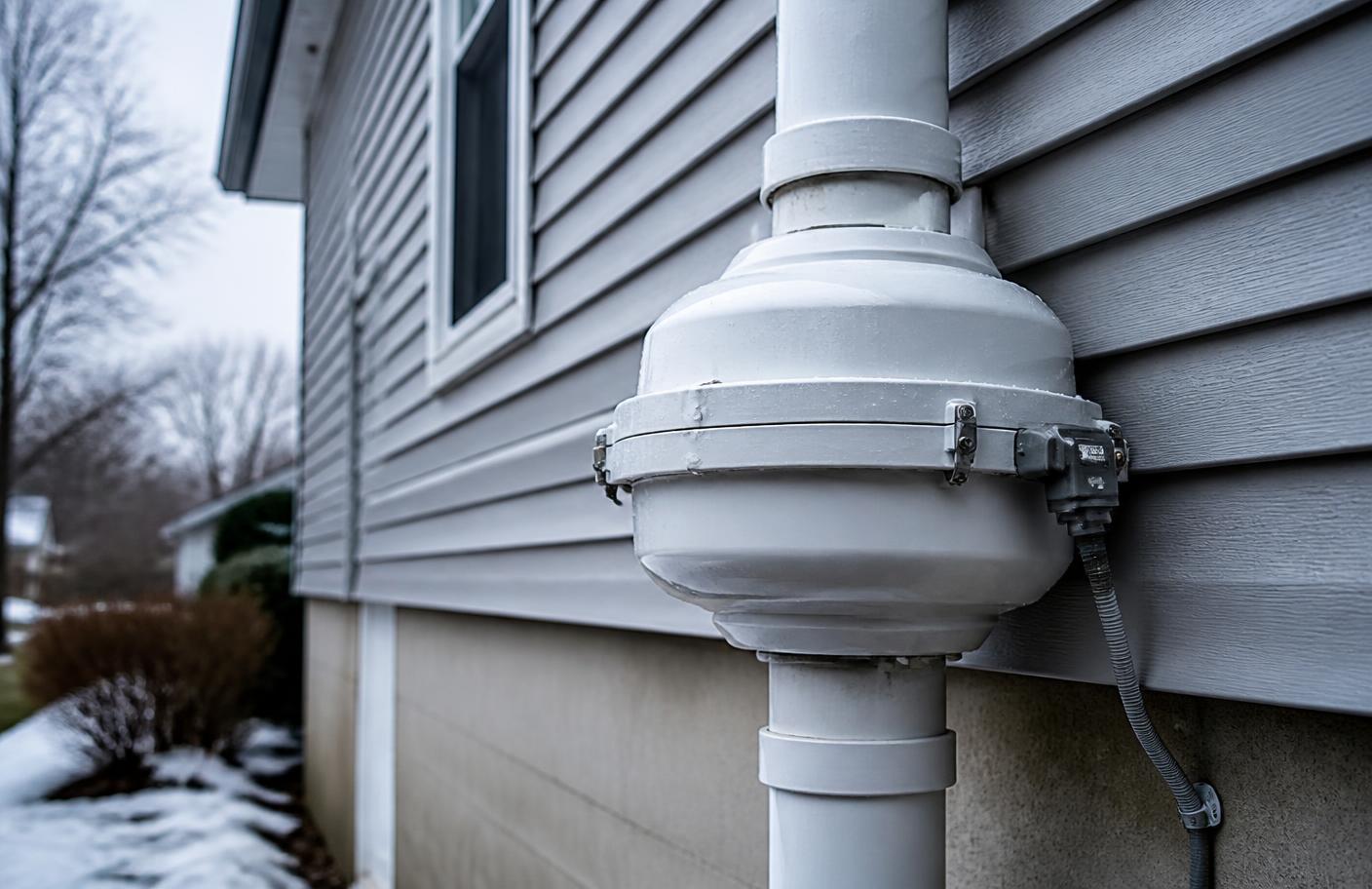
We test homes and commercial buildings, install active sub-slab and sub-membrane depressurization systems, repair and replace existing equipment, and support real estate transactions where an inspection window leaves no room for a slow response. The work spans Indianapolis, Marion County and the Hamilton, Hendricks, Johnson, Boone and Hancock County communities around it.
How we work
- 01
No mitigation recommendation without a valid measurement
A quote before a test is a guess. If you have not tested, or the test ran with a door propped open during showings, the honest answer is to measure properly first, even when that delays the job.
- 02
Diagnostics decide the design
Communication testing under the slab shows how far a single suction point reaches. That measurement is what determines whether a house needs one point or three, not a standard package applied to every address.
- 03
Verification is part of the work
A post-mitigation test is the only objective evidence a system performed. Skipping it leaves you with a fan running and no proof it changed anything.
- 04
Aesthetics matter in a finished home
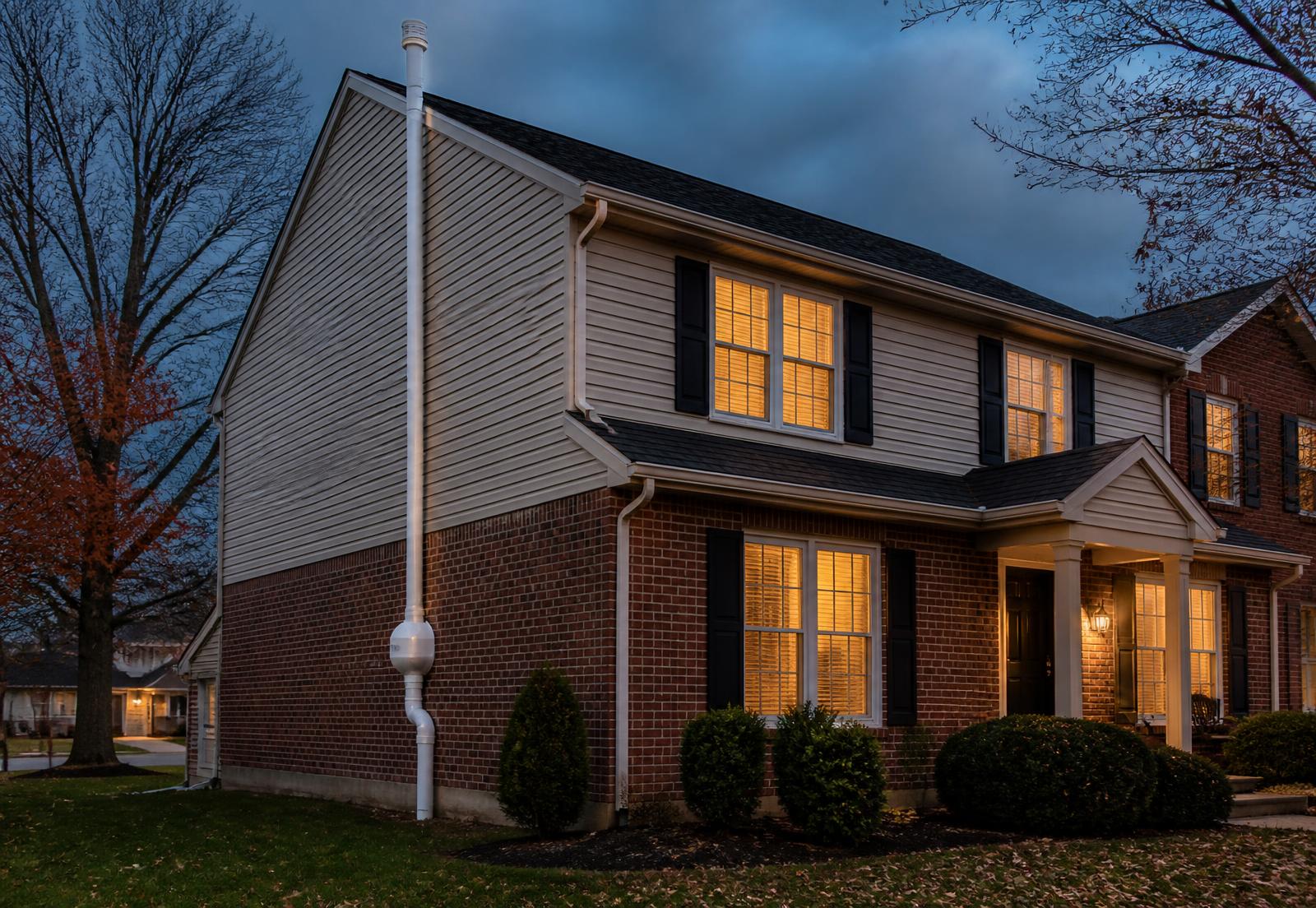
Routing choices affect resale. We plan pipe paths, riser placement and exhaust termination with the finished appearance in mind rather than the shortest run.
- 05
Straight answers about cost
Residential mitigation commonly runs roughly $800 to $2,500 nationally, and complex foundations sit higher. We would rather explain the drivers behind a number than quote a figure the site visit contradicts.
- 06
Systems get maintained, not forgotten
Fans wear out, manometers fall flat, seals crack and renovations change airflow. Retesting every two years and after major work is what keeps a reduction permanent.
Contact
Radon Mitigation Indianapolis
Serving Indianapolis and Central Indiana. Call (463) 800-8251 or email service@radonmitigationindianapolisin.com.
Next step
Talk with a radon specialist about your Indianapolis property
Share your foundation type, any test results you already have and your timeline. We will explain the options honestly and tell you what genuinely needs to happen first.