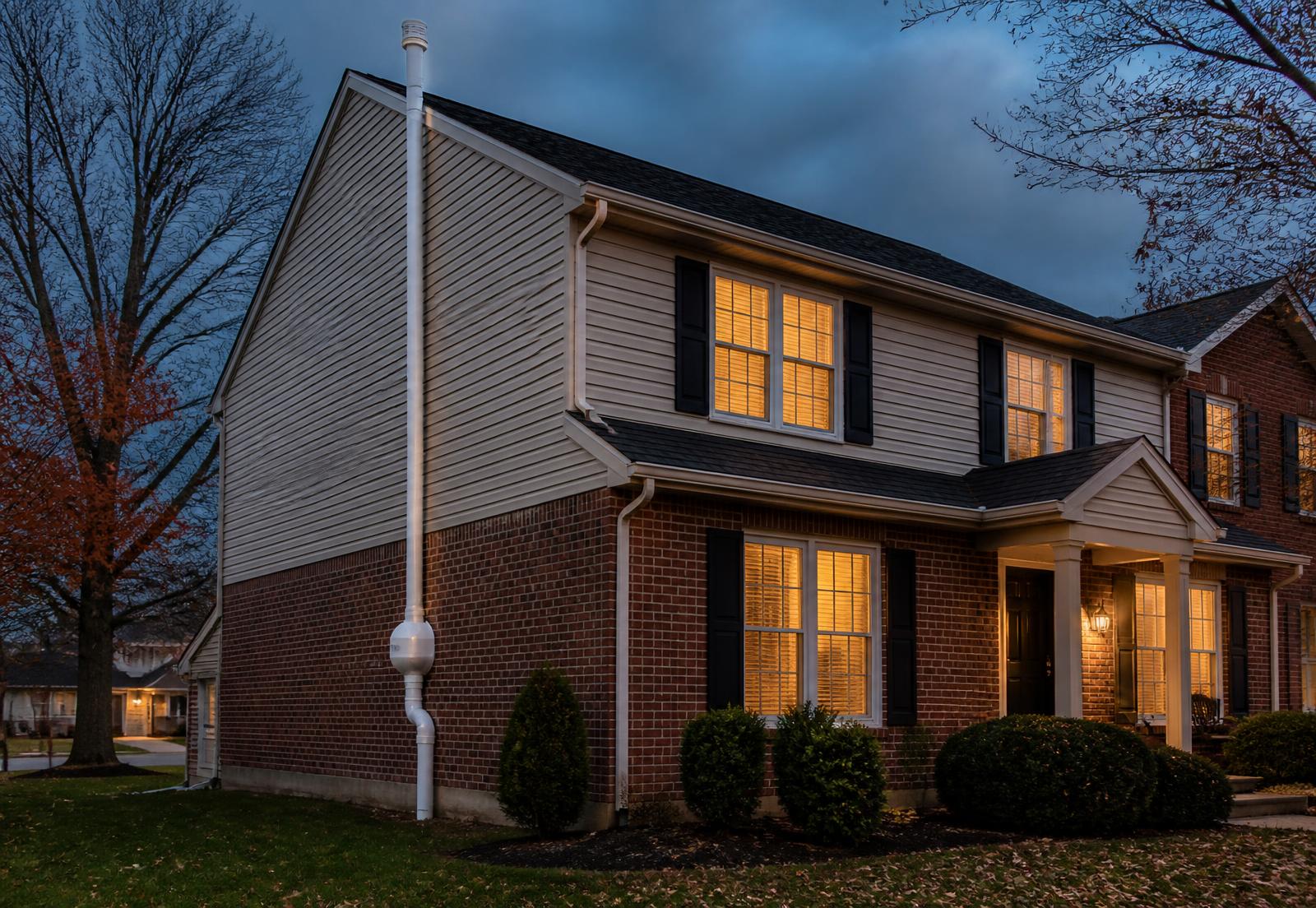
Typical Cost Ranges for Residential Mitigation
Across the country, typical residential radon mitigation commonly falls roughly in the $800 to $2,500 range, with the wide span reflecting differences in foundation type, home size, and the complexity of piping and fan placement required. Homes needing multiple suction points, extensive sump pit sealing, or work across combination foundations with both a basement and a crawl space can run higher than this general range.
Commercial properties typically involve higher costs due to larger footprints, more complex HVAC interactions, and sometimes the need for multiple independent systems, so commercial pricing should be evaluated separately from residential ranges.
Foundation Type Is the Biggest Cost Driver
The type of foundation a home has is usually the single largest factor influencing mitigation cost, since it determines whether the project uses sub-slab depressurization, sub-membrane depressurization, or a combination approach.
- Simple full basements with a single slab pour and good sub-slab communication often need only one suction point
- Homes with multiple foundation sections or additions may require two or more suction points
- Crawl space homes require sub-membrane depressurization, involving membrane material and sealing labor
- Combination basement-and-crawl-space homes are typically the most complex and highest cost
Other Factors That Influence Price
Beyond foundation type, several site-specific details affect the final cost of a mitigation system. The distance and routing needed to get piping from the suction point to an exterior wall or through the roof affects labor time, as does whether the home has a finished basement requiring more careful pipe concealment.
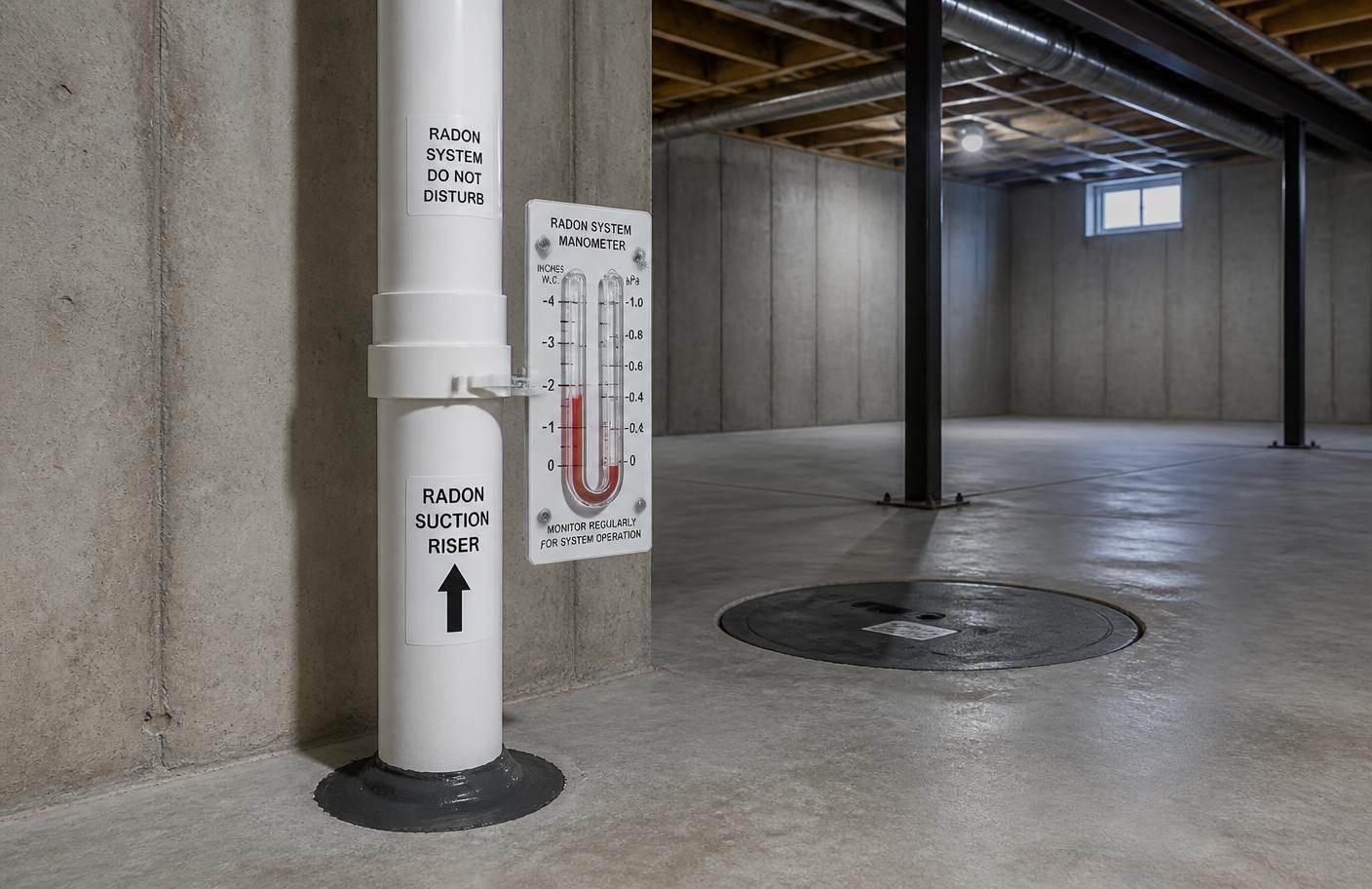
Sump pit condition also matters, since sealing an older, ill-fitting sump lid or one requiring modification for float switch and pump access adds labor compared to a newer pit already suited for a sealed cover. Electrical access for the fan, exterior aesthetics requested by the homeowner, and any need for fan noise mitigation can also factor into final pricing.
- Pipe routing distance and complexity
- Finished versus unfinished basement concealment needs
- Sump pit age and condition
- Electrical access near the planned fan location
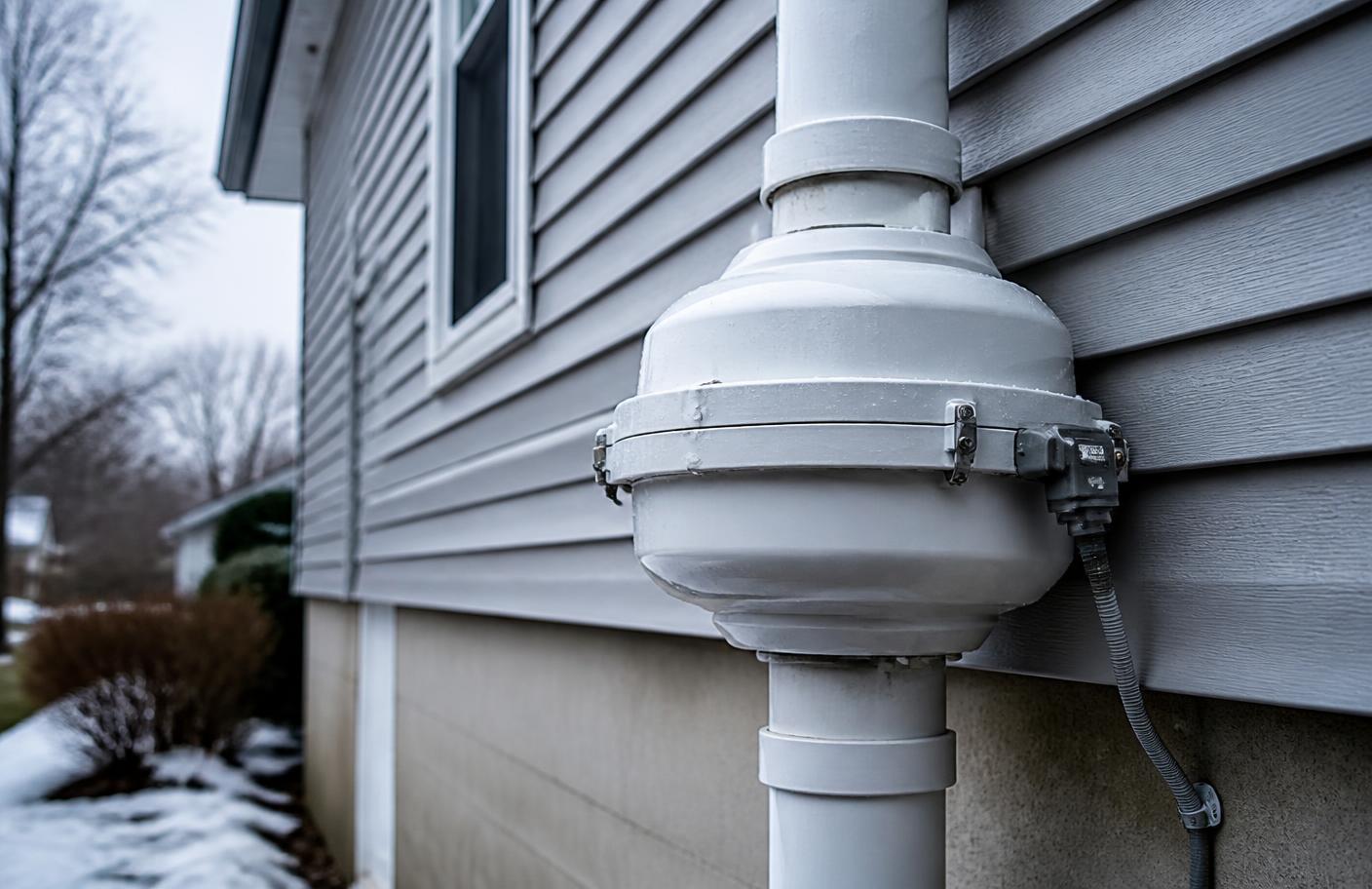
- Exterior venting placement relative to windows and the eave line
Cost Differences Between New Systems and Upgrades
Installing a brand-new active system in a home with no existing radon-resistant features is typically more involved than converting an existing passive system in new construction to active with an inline fan, since the piping and roof penetration are often already in place in the latter case. Homeowners considering a system replacement or fan upgrade on an aging existing system should also expect different pricing than a first-time full installation.
Why Only a Site Evaluation Can Provide an Accurate Number
General cost ranges are useful for planning and budgeting purposes, but they cannot account for a specific home's foundation quirks, sub-slab material, or layout. A site evaluation allows a contractor to assess sub-slab communication, identify the best suction point locations, and account for any complicating factors before providing an accurate, home-specific estimate.