Testing Costs
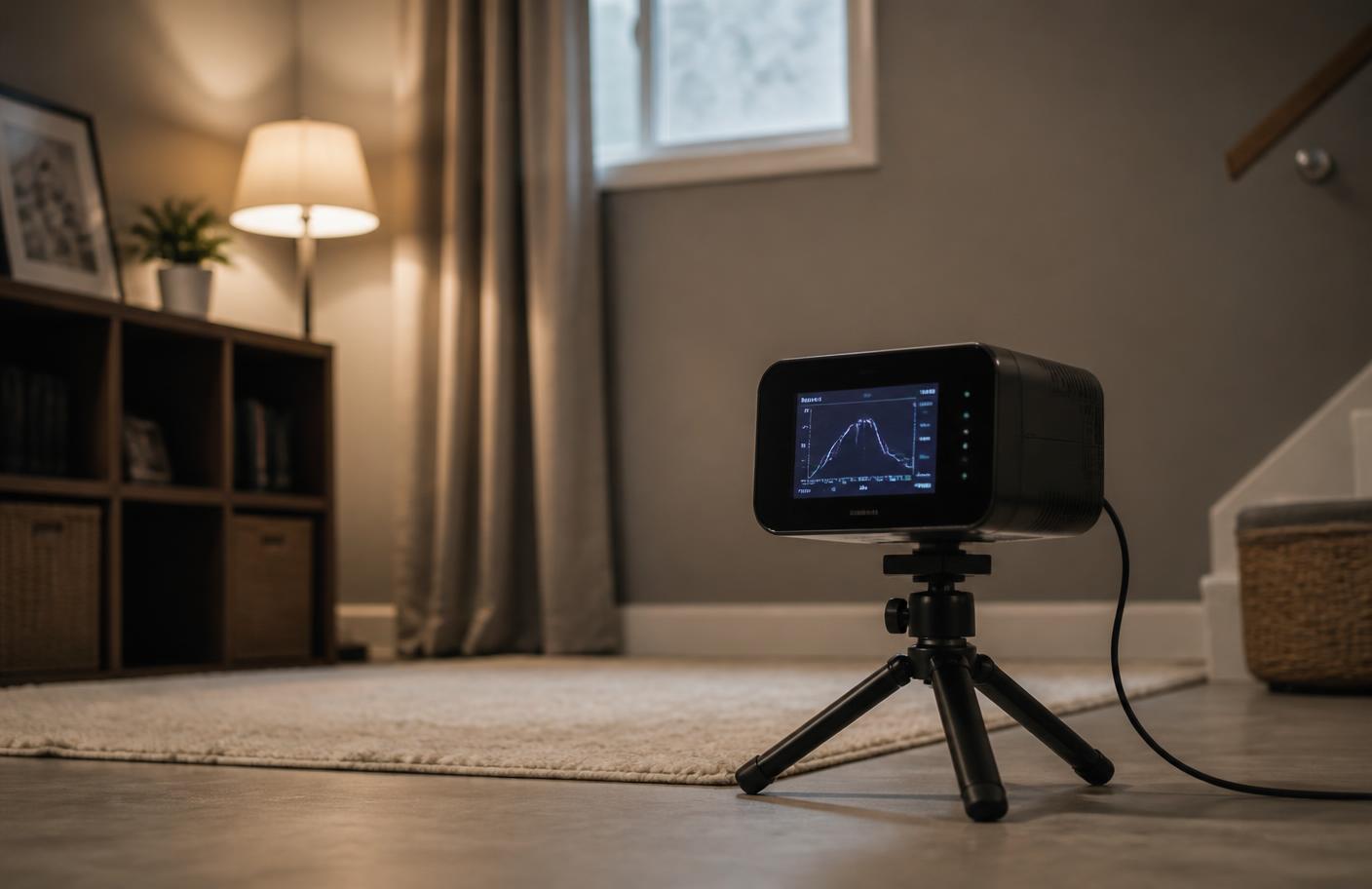
DIY charcoal test kits generally run roughly $15-$40 and offer a general reading suitable for personal awareness, though they lack the chain-of-custody documentation typically expected in a real estate transaction. Professional short-term tests, often using continuous radon monitors, commonly run roughly $150-$300, reflecting the technician's time, equipment and documented result.
Long-term alpha-track testing, less common in time-sensitive real estate contexts but useful for homeowners wanting a full-year average, generally involves a modest device cost plus lab analysis fees. Pricing across all test types varies by provider and by whether the test is bundled with a home inspection or other services.
What Drives Mitigation Pricing
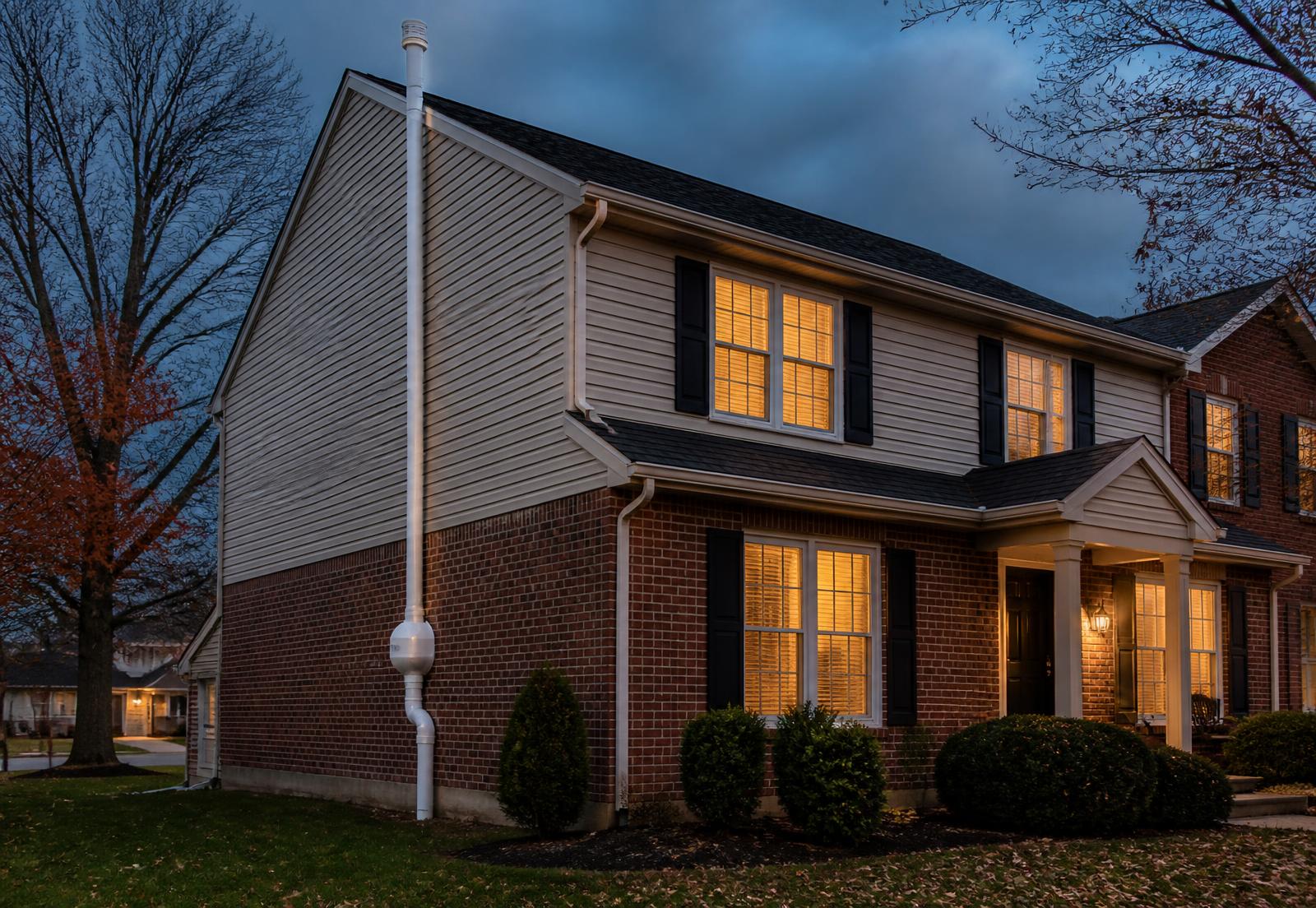
Typical U.S. residential mitigation systems, including in Indiana, generally run roughly $800-$2,500, with the specific number depending heavily on foundation type and complexity. A straightforward single-suction-point system in an easily accessible basement sits toward the lower end of that range, while homes needing multiple suction points, longer piping runs, difficult access, or work around finished space push toward the higher end.
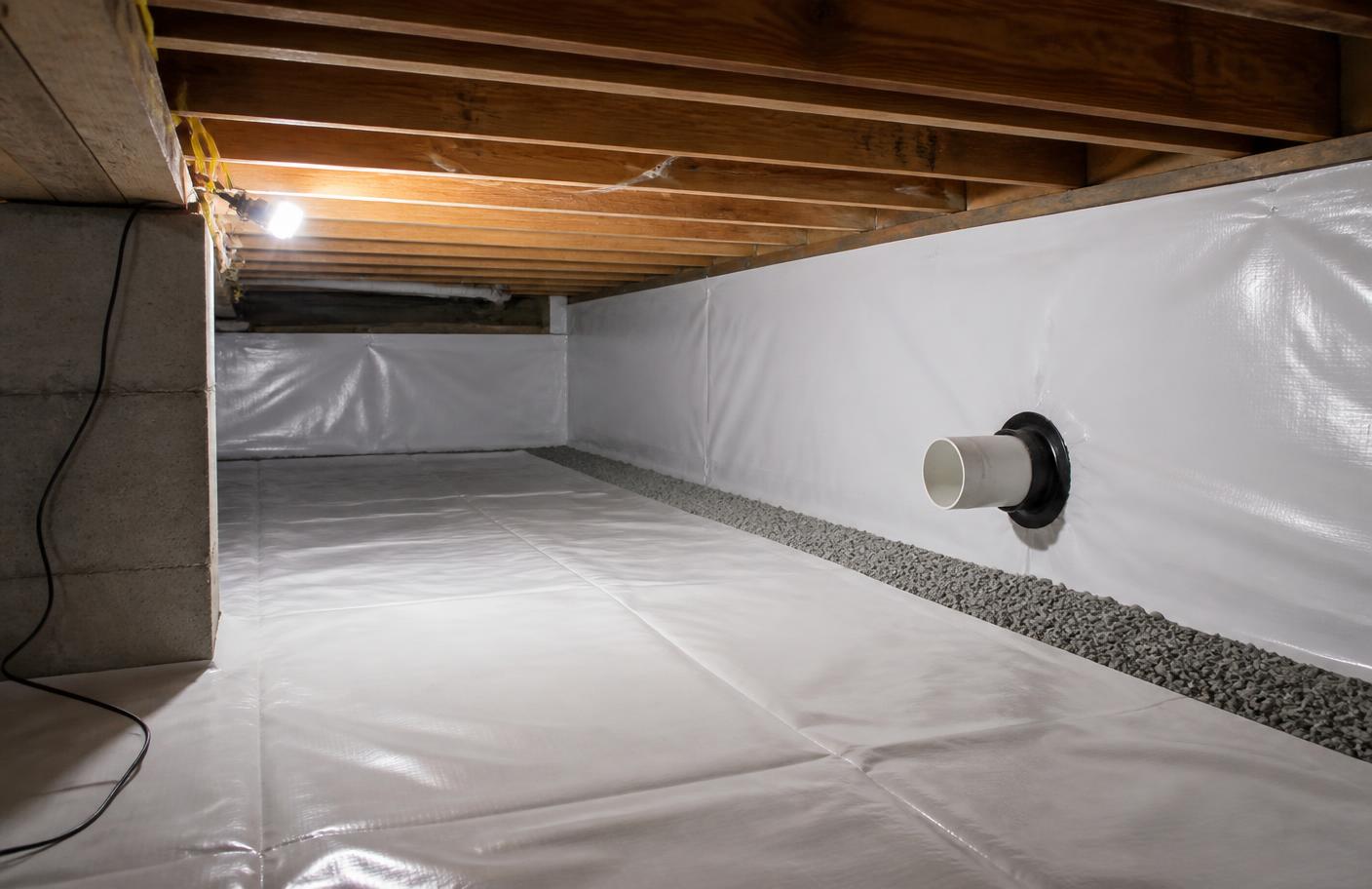
Larger homes, homes with combination foundations (for example a basement plus a crawl space addition), and commercial or multi-unit buildings can run higher still, since they may need more extensive ductwork-style piping or multiple independent systems rather than a single unit.
- Foundation type and number of suction points needed
- Piping run length and routing complexity, including work around finished space
- Access constraints such as tight lots, historic district considerations, or HOA-driven routing preferences
- Combination or multiple-foundation homes needing more than one system
Ongoing Operating Costs
Once installed, a mitigation system's primary ongoing cost is electricity to run the fan continuously, which commonly amounts to a few dollars per month depending on the fan's wattage and local electricity rates, making it a modest addition to a home's overall utility costs. There are no consumable materials to replace on a routine basis beyond the fan itself over the system's service life.
Homeowners sometimes ask whether running the fan continuously versus intermittently affects cost meaningfully; systems are designed to run continuously for effective depressurization, and the electrical cost of doing so is generally not significant enough to justify cycling the fan on and off, which can also affect system performance.
Fan Replacement and Service Costs
Radon fans have a finite service life, and eventual replacement, generally after several years of continuous operation, is a normal part of system ownership rather than a sign something went wrong initially. Fan replacement, including the part and labor, commonly runs roughly $300-$800 installed, depending on the fan model and access.
Beyond fan replacement, occasional service needs include addressing unusual fan noise, checking or resealing a manometer that shows the system has lost suction, or resealing an opened penetration after unrelated renovation work; the Radon Fan Problems and Radon System Replacement guides cover troubleshooting these situations in more depth.
Resale Value Considerations
An existing, functioning mitigation system is generally viewed neutrally to positively in Indiana real estate transactions, since it demonstrates a known issue has already been addressed rather than leaving it as an open question for a future buyer. Sellers and buyers alike benefit from documentation showing when a system was installed and confirming it's still operating, which the Indiana Home Seller Radon Guide and Indiana Homebuyer Radon Guide cover from each side's perspective.
Conversely, an undocumented or non-functioning system discovered during a sale can create friction, since it raises questions about whether the underlying radon issue was ever actually resolved, making current system verification worthwhile ahead of listing.
Getting an Accurate Number for Your Home
Every range in this guide is a starting point for expectations, not a quote. Foundation type, home size, finished space, and site access all shift where a specific home falls within these ranges, which is why a site evaluation, not a phone estimate, produces the most accurate number. Homeowners comparing quotes should make sure they're comparing equivalent scopes, since a lower number sometimes reflects fewer suction points or less thorough sealing rather than genuinely lower-cost work.