Contingency Mechanics
Radon contingencies in Indiana purchase agreements are typically negotiated terms rather than a standardized statutory requirement, meaning their exact language, timeline and remedy structure vary by the specific form and negotiation. Agents should confirm what radon-related language, if any, exists in the purchase agreement template they're using and clarify the testing window, acceptable test types, and remedy path (mitigation, credit, or termination right) before the inspection period begins.
Because short-term testing requires a minimum 48-hour closed-house window plus scheduling and pickup, agents should build realistic timelines into contingency negotiations rather than assuming testing can be compressed into a very short window without risking a rushed or invalid result.
What Counts as a Valid Test in a Transaction
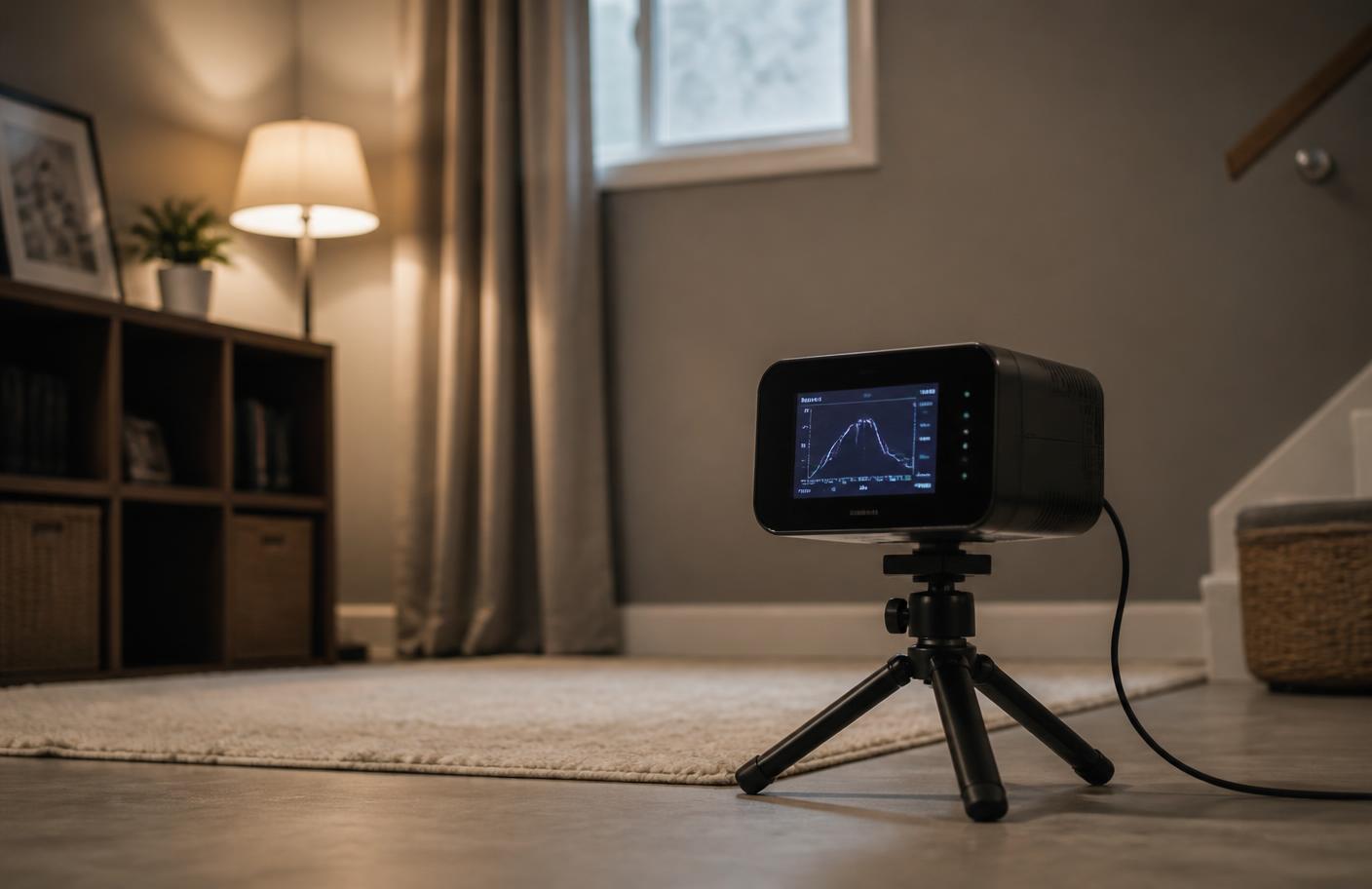
A defensible test result generally requires closed-house protocol maintained for the full test period, a device placed appropriately in the lowest livable level, and a clear chain of custody documenting who placed and retrieved the device and when. Continuous radon monitors, which log hourly data, offer an added layer of verification since they can reveal whether the closed-house conditions were actually maintained throughout, which passive devices cannot.
Buyer-conducted DIY tests are generally not treated as transaction-grade evidence given the chain-of-custody and protocol concerns; most agreements implicitly or explicitly expect a professionally administered test for negotiation purposes.
- Closed-house protocol maintained for the full test period
- Device placed in the lowest livable level away from drafts and moisture
- Documented chain of custody for placement and retrieval
- Preference for continuous monitors or professionally administered tests over DIY kits in negotiations
Common Deal Failure Points
Several recurring issues stall Indiana transactions around radon: testing scheduled too late in the inspection period to allow for a confirmation test if the first result is elevated; occupied homes where closed-house conditions weren't actually maintained, invalidating the result and requiring a costly retest; and ambiguity in the purchase agreement about who pays for mitigation, leading to last-minute renegotiation.
Another common friction point is disagreement over whether a result in the 2 to 4 pCi/L range warrants action, since EPA frames that range as a judgment call rather than a mandate; agents can reduce friction by addressing how borderline results will be handled during initial contingency drafting rather than after a result comes in.
Documentation Packages
A complete radon documentation package for a file typically includes the test device type and placement location, start and end times, closed-house confirmation, technician or lab certification of the result, and, if mitigation occurred, the contractor's system description and any post-mitigation test confirming the result. Keeping this documentation with the transaction file protects all parties if questions arise later.
For a Straightforward Test
Device type, placement location, test start and end date/time, closed-house confirmation from the occupant or agent, and the reported pCi/L result with lab or device certification.
For a Mitigation Resolution
System type and suction point count, installation date, contractor scope description, and a post-installation test result confirming the level dropped below the action threshold.
Investor and Multi-Property Considerations
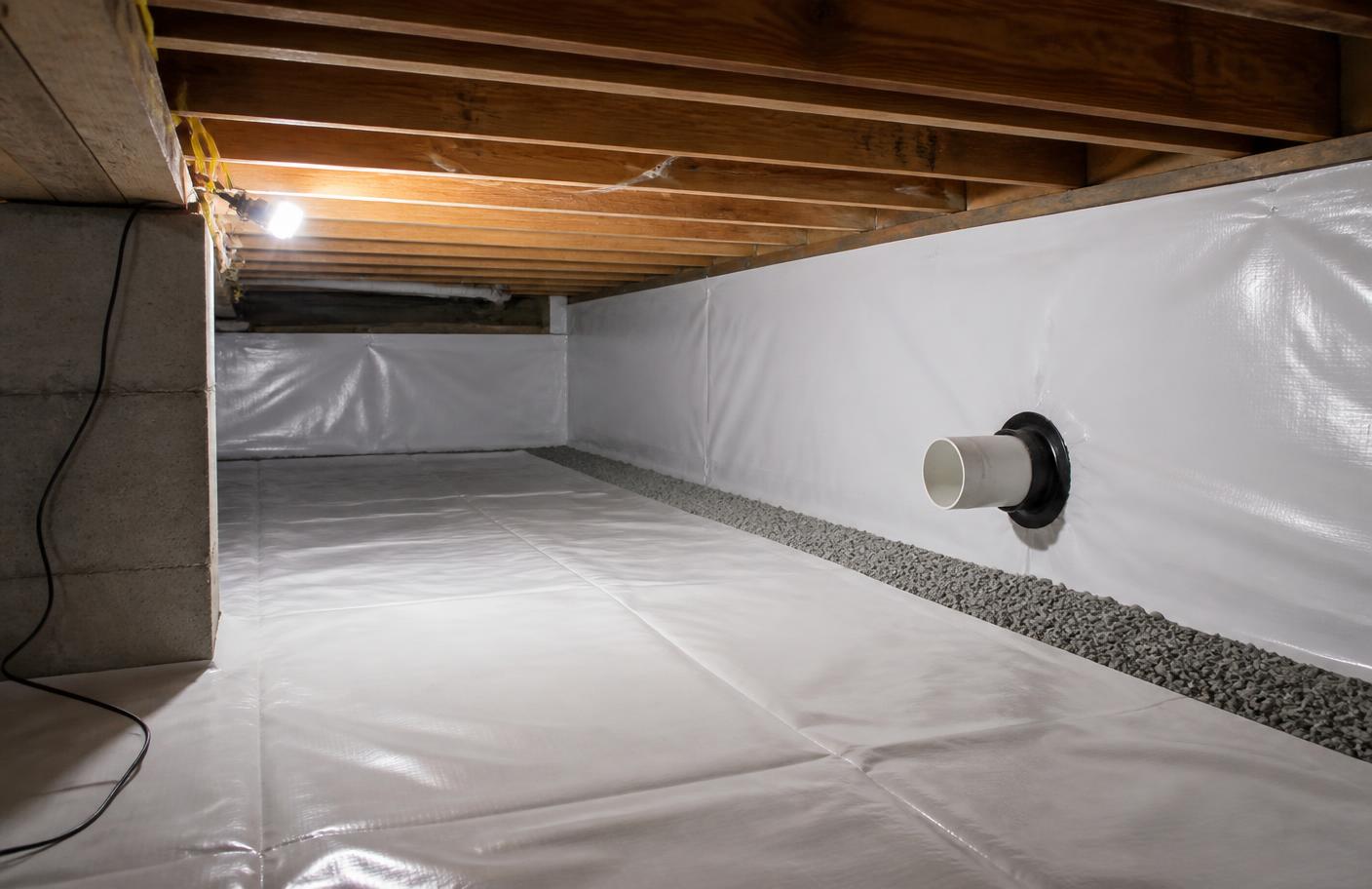
Investors acquiring multiple properties across Central Indiana counties, particularly older housing stock in Marion County or newer builds in Hamilton and Hendricks Counties, benefit from a standardized internal protocol for when to test (e.g., always at acquisition regardless of seller-provided history) and how to document results across a portfolio, since foundation types and radon entry patterns can vary significantly property to property even within the same investment strategy.
For rental portfolios, testing considerations also intersect with landlord-tenant access and notice practices, which fall outside radon-specific guidance and should be confirmed with a real estate attorney familiar with Indiana landlord-tenant law.
Where This Guide Fits
This page assumes a professional audience already familiar with Indiana transaction mechanics generally and focuses narrowly on the radon-specific pieces: contingency language, valid tests, failure points and documentation. It intentionally doesn't restate buyer or seller emotional or financial considerations, which are covered from each party's perspective on the Indiana Homebuyer Radon Guide and Indiana Home Seller Radon Guide.