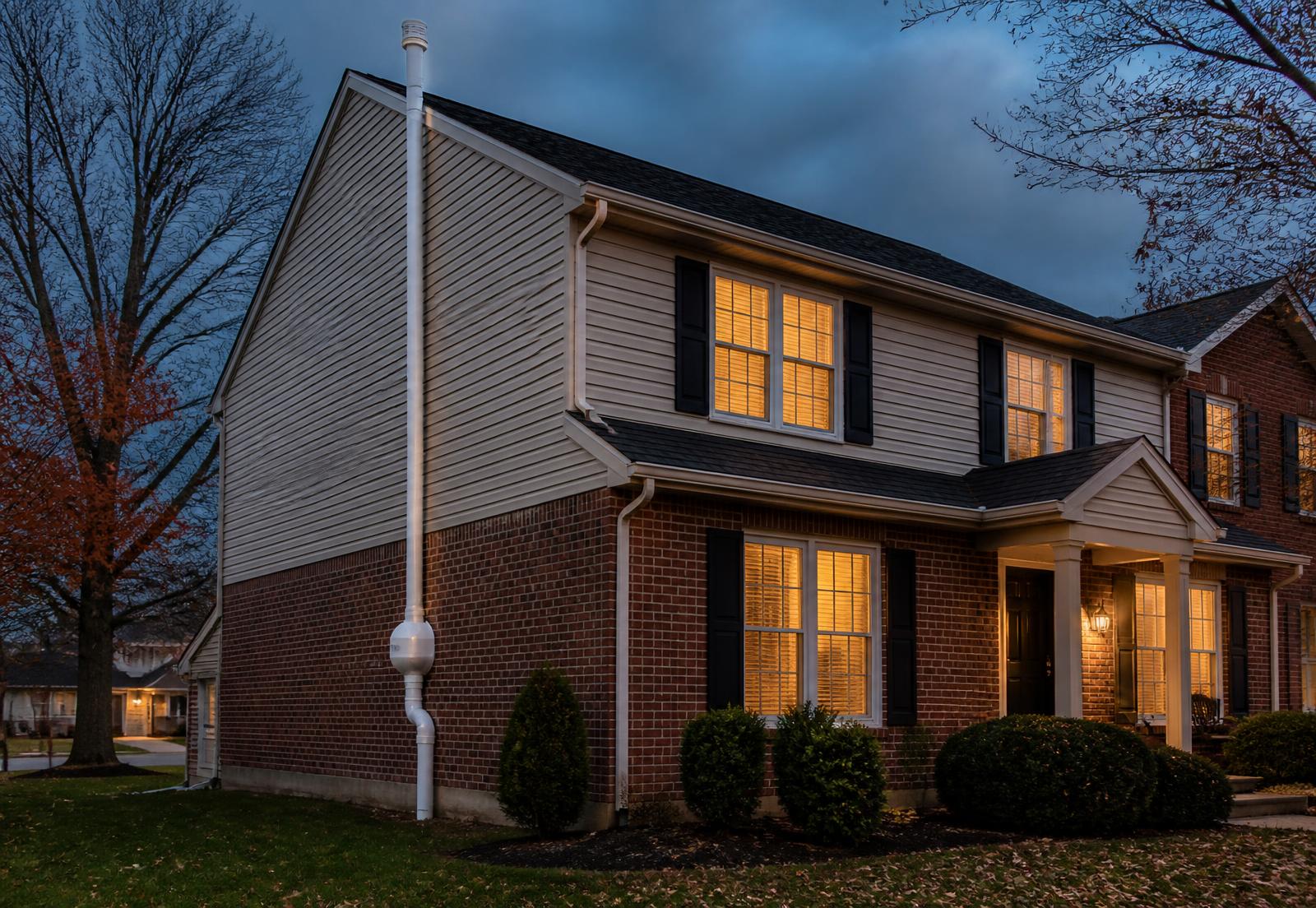
How a Radon Test Fits Into the Inspection Timeline
Radon testing is usually arranged separately from, but concurrently with, the general home inspection, since it requires a longer placement period than a walk-through inspection takes. In Indianapolis transactions, a tester typically places a continuous radon monitor (CRM) or charcoal-based device at the same visit as the general inspector, then returns after the required 48-hour minimum period, often extended to a full week, to retrieve it and generate results.
Device Placement and Monitoring During Inspection
Standard protocol calls for placing the device in the lowest level of the home that is suitable for occupancy, at least 20 inches above the floor, away from drafts, exterior doors, windows, and known moving air sources. A continuous radon monitor is often preferred in real estate transactions because it records hourly data and includes built-in tamper detection, logging any movement, power interruption, or unusual spikes that might indicate the closed-house protocol was compromised.
Closed-house conditions must be maintained for the full test period, meaning windows and exterior doors are kept closed except for normal entry and exit, which can be logistically tricky when a seller is still occupying the home and needs to come and go for daily life, showings, or other inspections.
What Can Invalidate the Test
Because inspection-period radon tests carry financial weight in a transaction, both sides have an interest in the result being reliable, which is why certain conditions can invalidate a test and require it to be redone.
- Opening windows or exterior doors for extended periods during testing
- High wind events that significantly affect closed-house pressure conditions
- Running whole-house fans, fireplaces, or unusual HVAC settings during the test
- Moving or tampering with the device, detected via built-in accelerometer logging on most CRMs
- Placing the device in a disqualified location, such as too close to a window or exterior wall
Who Typically Orders and Pays for the Test
In most Indianapolis-area transactions, the buyer orders and pays for the radon test as part of their due diligence, similar to how a general home inspection is arranged, though this can be negotiated differently in a purchase agreement. The seller is generally expected to maintain closed-house conditions and provide access, since the test occurs on their property while they may still be residing there.
Interpreting Results Within the Inspection Period
A result at or above 4.0 pCi/L gives the buyer grounds under most standard purchase agreements to request mitigation or renegotiate, though the exact contractual language varies by contract and should be reviewed by the parties' agents or attorneys. A result below 4.0 pCi/L is generally treated as passing, though EPA notes there is no fully safe level, so a low-but-not-zero result is still worth understanding.