Why Buyers Test Before Closing
Radon testing is commonly negotiated as part of Indiana purchase agreements, though it is not universally required by state law, which means whether a test happens at all often depends on the buyer requesting it during the inspection period. Given that Marion County and most of Central Indiana fall in EPA Zone 1, and that a seller's prior test, if any exists, may be years old, most buyers choose to order their own current test rather than rely on secondhand information.
A current test gives a buyer either peace of mind or negotiating leverage. A result at or above 4.0 pCi/L is generally grounds to request the seller address mitigation as part of the transaction, while a low result confirms one less thing to worry about after move-in.
Working Within Your Inspection Contingency Window
Most Indiana purchase agreements build in a limited inspection period, and radon testing needs to be scheduled early in that window to leave enough time for the standard 48 to 96 hour short-term test plus lab processing before a response deadline. We prioritize scheduling for buyers under contract, since a missed deadline can mean losing the ability to negotiate around a radon finding.
We coordinate with buyers' agents directly when helpful, confirming access to the property with the seller or listing agent and placing the device as soon as the home is accessible, so the clock starts running with as much runway as possible before the response deadline.
- Scheduling prioritized around inspection contingency deadlines
- Coordination with buyers' agents for property access
- Documented, tamper-aware placement suitable for negotiation purposes
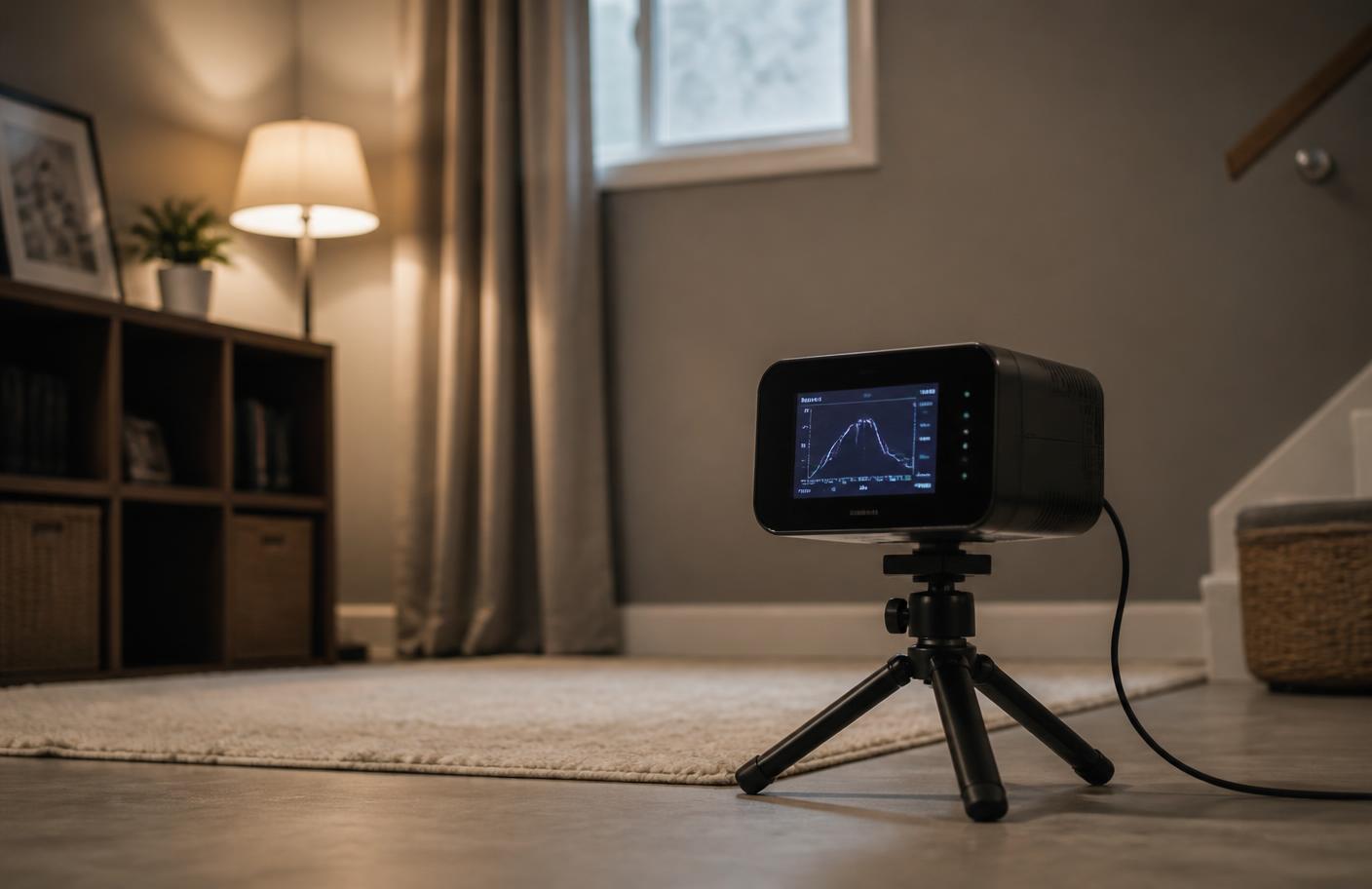
- Fast turnaround options including continuous monitor testing
Making Sure the Test Reflects Actual Conditions
Because the home is still occupied by the seller during most inspection periods, closed-house conditions depend on the seller's cooperation, keeping windows and exterior doors closed except for normal entry and exit for the duration of the test. We communicate these requirements clearly through the agents involved and, when using a continuous monitor, can flag any interference events in the data, which adds a layer of protection against a test being invalidated by a disturbance.
Vacant vs. Occupied Homes
Vacant homes are generally easier to test since there is no coordination needed around a seller's daily routine, but they still need HVAC systems running normally rather than shut off entirely, since a system with no heating or cooling running can behave differently than the home would under normal occupancy.
What to Do If the Result Comes Back High
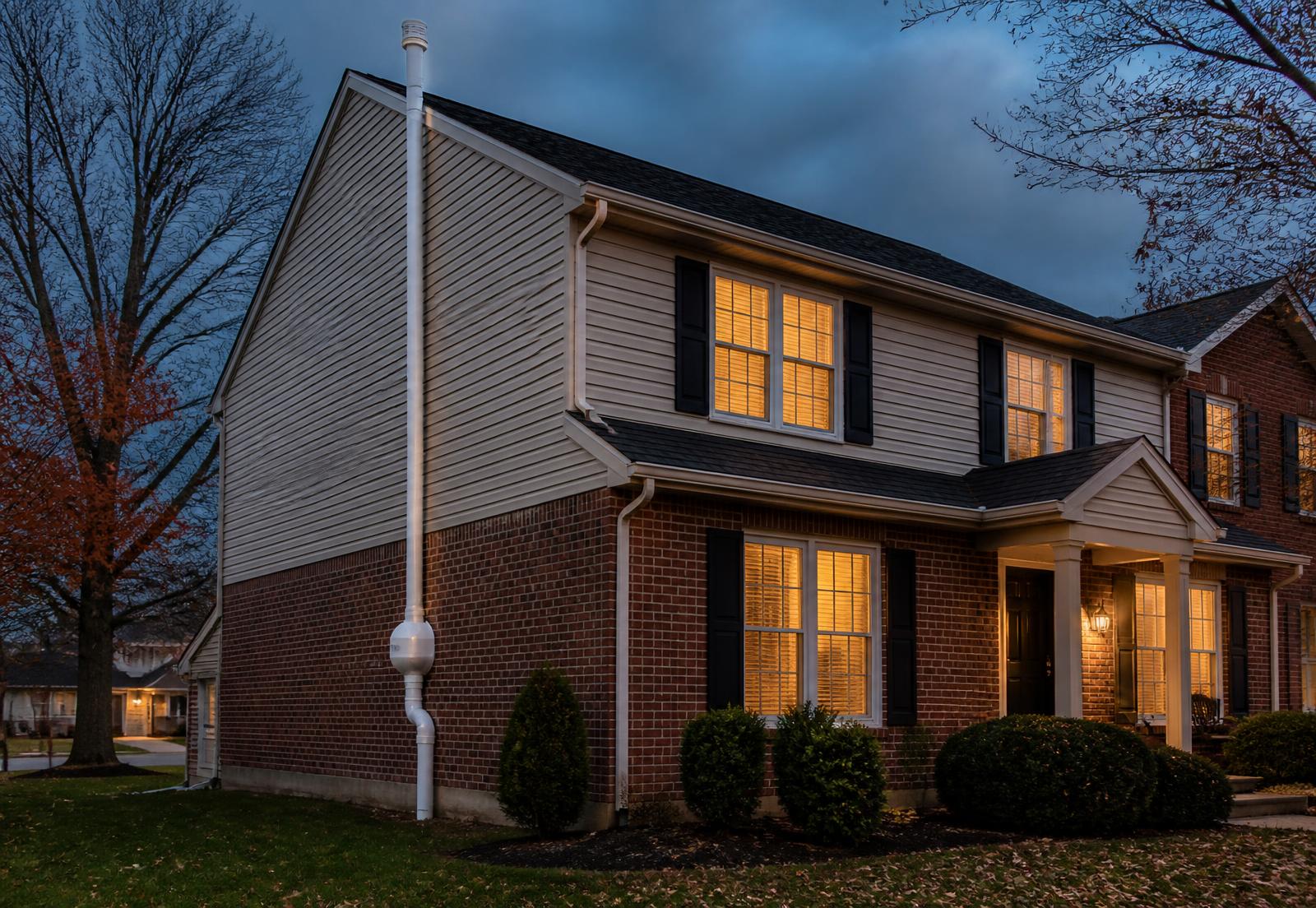
A result at or above 4.0 pCi/L does not mean the purchase is doomed, it typically becomes a negotiation point, with buyers commonly requesting the seller install a mitigation system, share the cost, or provide a credit before closing. We can turn around a mitigation quote quickly once test results are in, giving buyers and agents a concrete number to work with during negotiation rather than an open-ended unknown.
After You Move In
If a home you purchased already has a mitigation system in place, we recommend a maintenance check and possibly a retest early in your ownership, particularly if you were not present when the system was originally installed or serviced. If the home tested clean before purchase, periodic retesting every few years is still a reasonable habit, since foundation conditions and radon levels can shift over time.