Why Sellers Choose to Test Before Listing
Given that Marion County and most of Central Indiana are in EPA Zone 1, buyers or their agents frequently request radon testing during the inspection period, and a seller who has already tested and, if needed, mitigated ahead of listing avoids the scramble of coordinating an unexpected mitigation project during a tight closing timeline. It also removes radon as a point of last-minute renegotiation, since the number is already known and, if a system is in place, already documented.
Sellers sometimes assume a home that has never had a radon complaint or symptom is fine, but radon has no smell, no visible sign, and no symptom until it is measured, so the only way to know a home's status before it becomes a buyer's inspection finding is to test it directly.
Testing on Your Own Timeline
Testing before listing means you are not racing a contractual deadline, which gives more flexibility in choosing between a short-term test for a quick answer or, if you have the time before listing, a longer-term test for a more representative reading. It also means that if mitigation turns out to be needed, you can schedule installation and a post-mitigation retest on your own schedule rather than trying to compress that entire process into a buyer's inspection contingency window.
- Testing completed on your schedule, not a buyer's contingency deadline
- Time to schedule mitigation calmly if a result comes back elevated
- Documentation ready to share proactively with buyers and agents
- Post-mitigation retest completed and on file before any buyer inspection

Disclosing Results to Buyers
Indiana sellers generally disclose known material facts about a property, and while radon disclosure specifics can vary by transaction, having a documented, professionally conducted test result available to share with a buyer's agent is generally viewed as a straightforward, transparent step rather than something to avoid. If your home tested low, that is a selling point worth mentioning. If mitigation was needed and completed, a documented, working system with post-mitigation test results can actually reassure a buyer that the issue is already resolved.
If You Already Have a Mitigation System
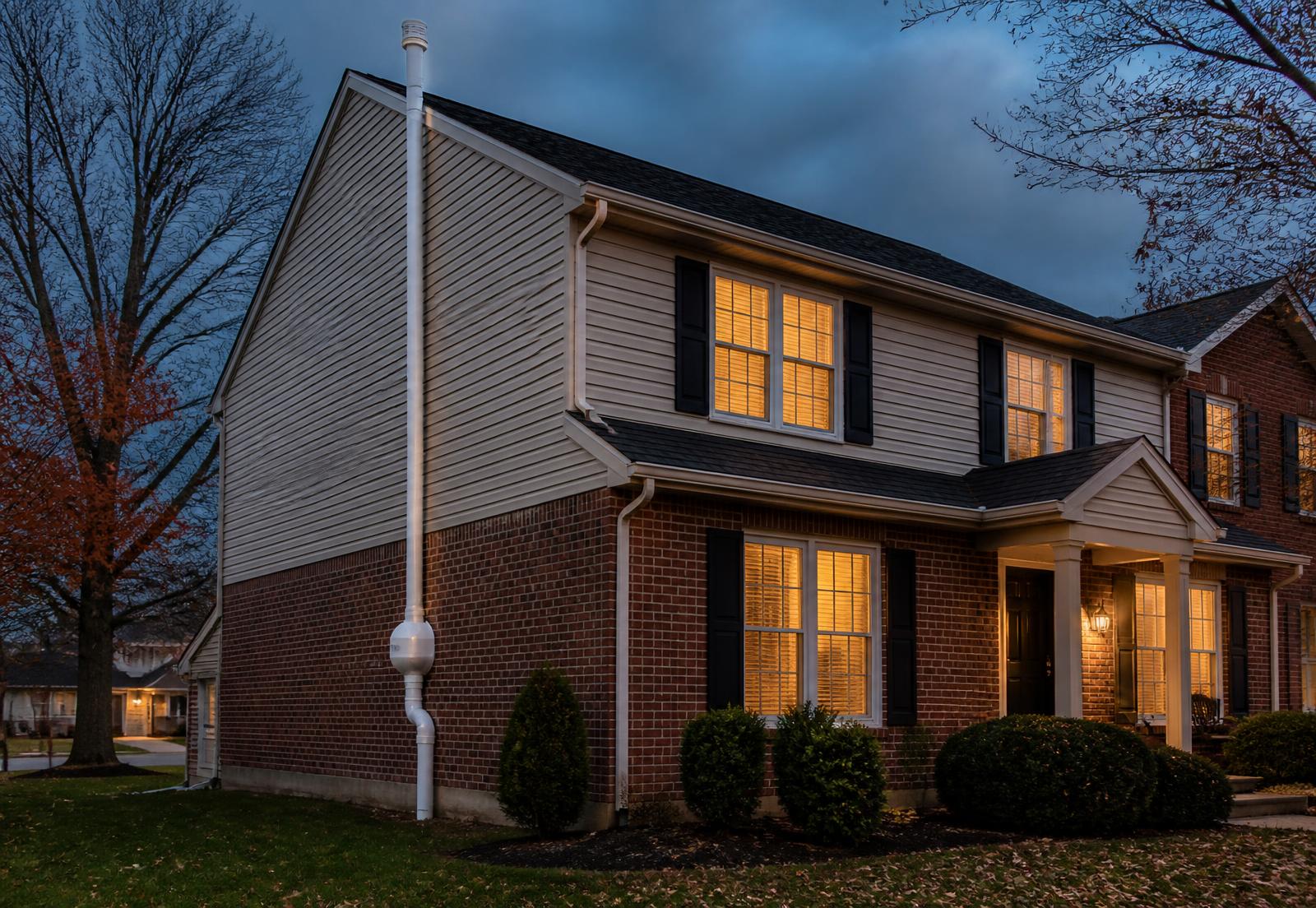
Homes being sold with an existing mitigation system benefit from a maintenance check and possibly a fresh retest before listing, confirming the system is still performing as designed and giving you current documentation rather than relying on results from whenever the system was originally installed, which buyers may ask about specifically.
If Your Pre-Listing Test Comes Back Elevated
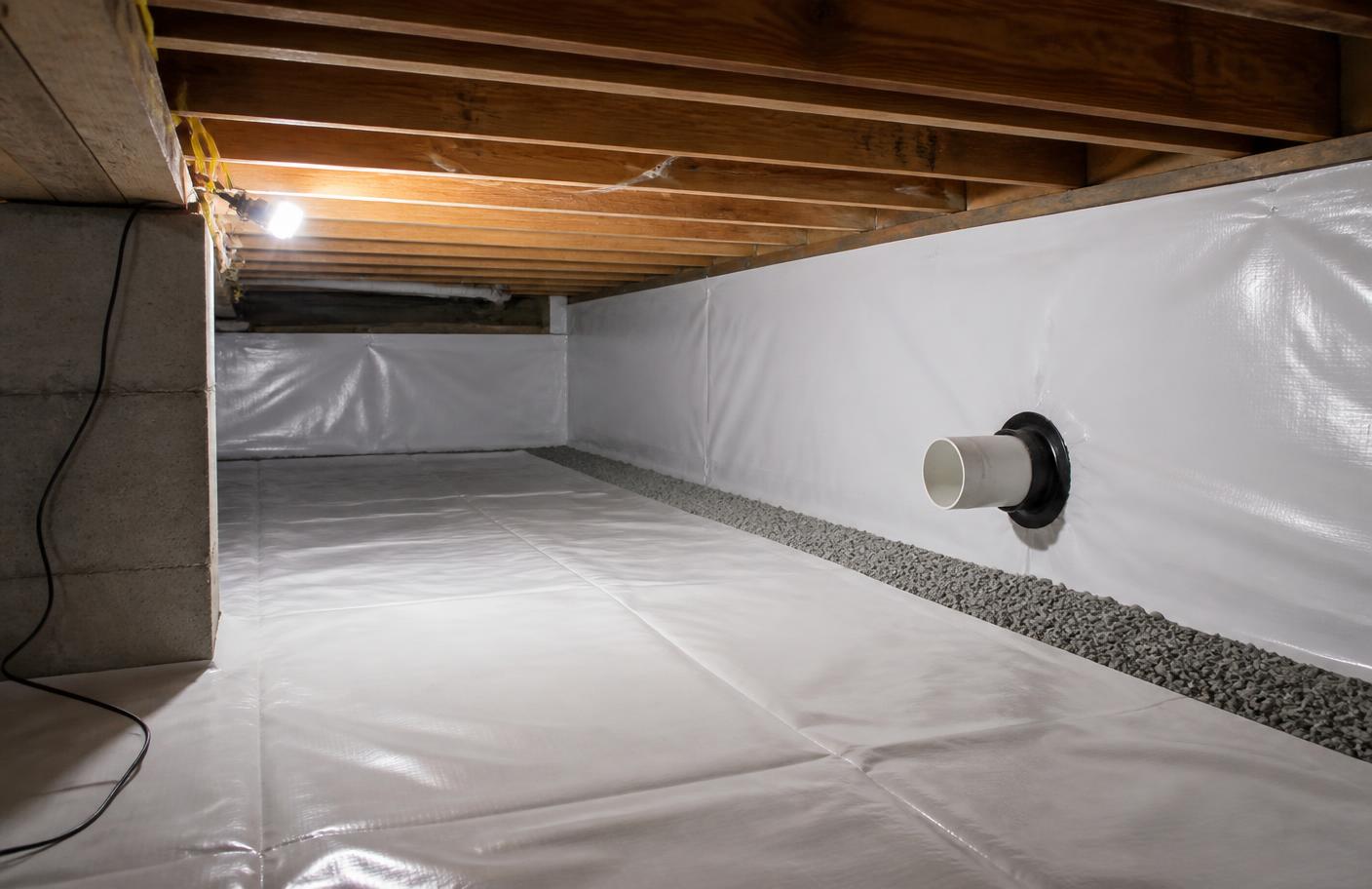
A result at or above 4.0 pCi/L before listing simply means scheduling mitigation on your terms, without a closing deadline dictating an urgent timeline. Once the system is installed and a post-mitigation test confirms levels have dropped, you can list with that documentation in hand, presenting a resolved issue rather than an open question a buyer's inspector might raise later in the process.
Coordinating With Your Listing Agent
We can provide documentation formatted in a way your listing agent can include in a property's disclosure packet or share directly with interested buyers, and we are happy to answer questions from agents about test methodology or mitigation system details if a buyer's side has questions during negotiations.