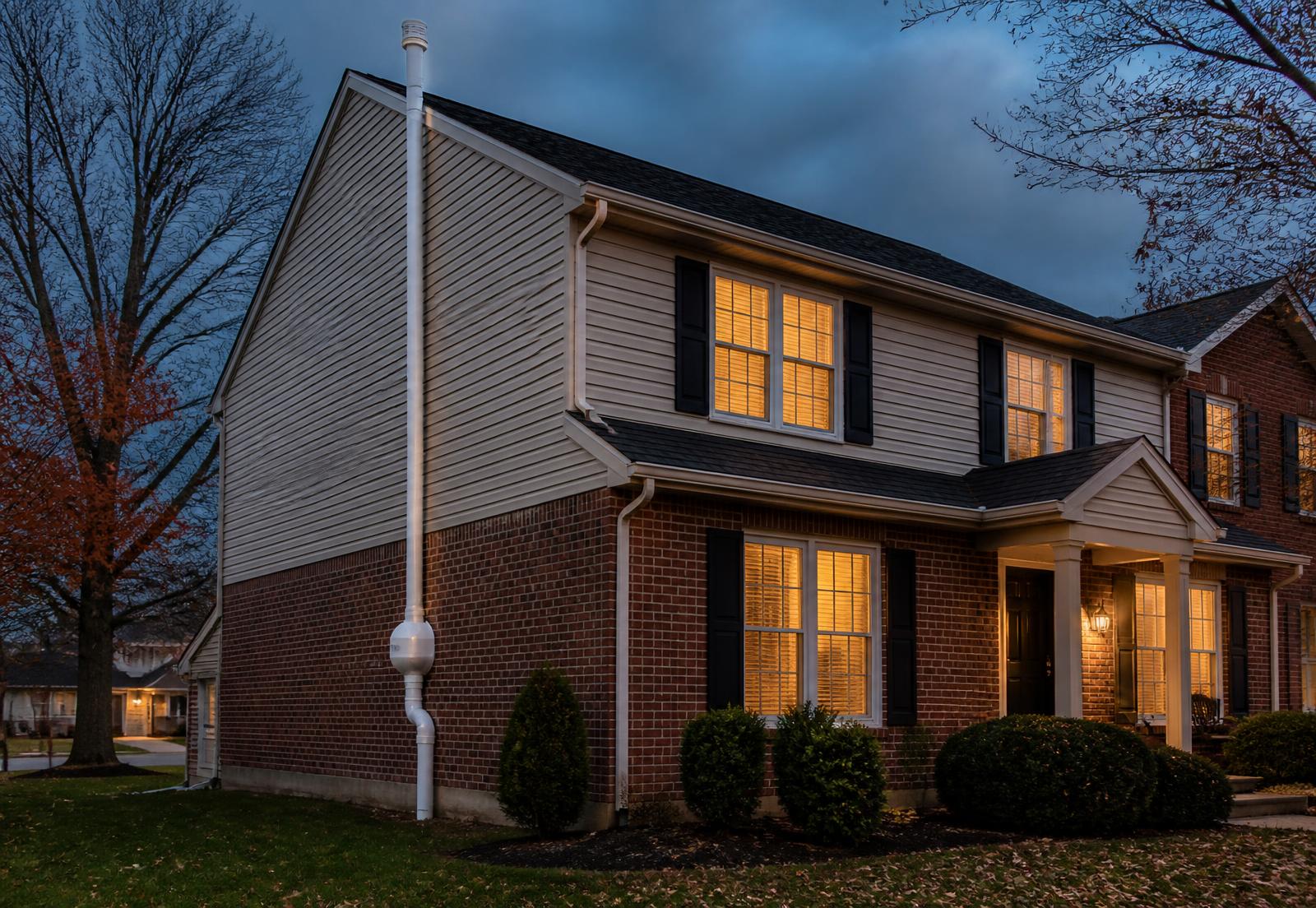
Why Sellers Might Test Before Listing
Testing before listing gives sellers time to address a high result on their own schedule rather than under the pressure of a buyer's inspection contingency deadline. This can prevent delays late in a transaction, since mitigation, if needed, can be completed and post-tested well before a purchase agreement is even signed, removing radon as a variable during negotiations.
Sellers in higher-radon-potential Indianapolis neighborhoods with older block or stone foundations, such as Meridian-Kessler or Irvington, may find pre-listing testing particularly worthwhile given the higher baseline likelihood of an elevated result compared to homes with newer, more sealed foundation construction.
Disclosure Considerations in Indiana
Indiana does not have a specific statute universally mandating radon disclosure in the way some other states do, but sellers completing a standard residential real estate sales disclosure form should answer questions accurately regarding any known radon information, including past test results or existing mitigation systems. Sellers should consult their real estate agent or an attorney regarding the specific disclosure form and requirements applicable to their transaction, since our practice does not provide legal advice.
If a seller has a prior radon test result on file, whether from a previous inspection, a personal test, or an earlier mitigation project, disclosing that information transparently is generally viewed as good practice and can prevent disputes later if a buyer's own testing produces a different or unexpected result.
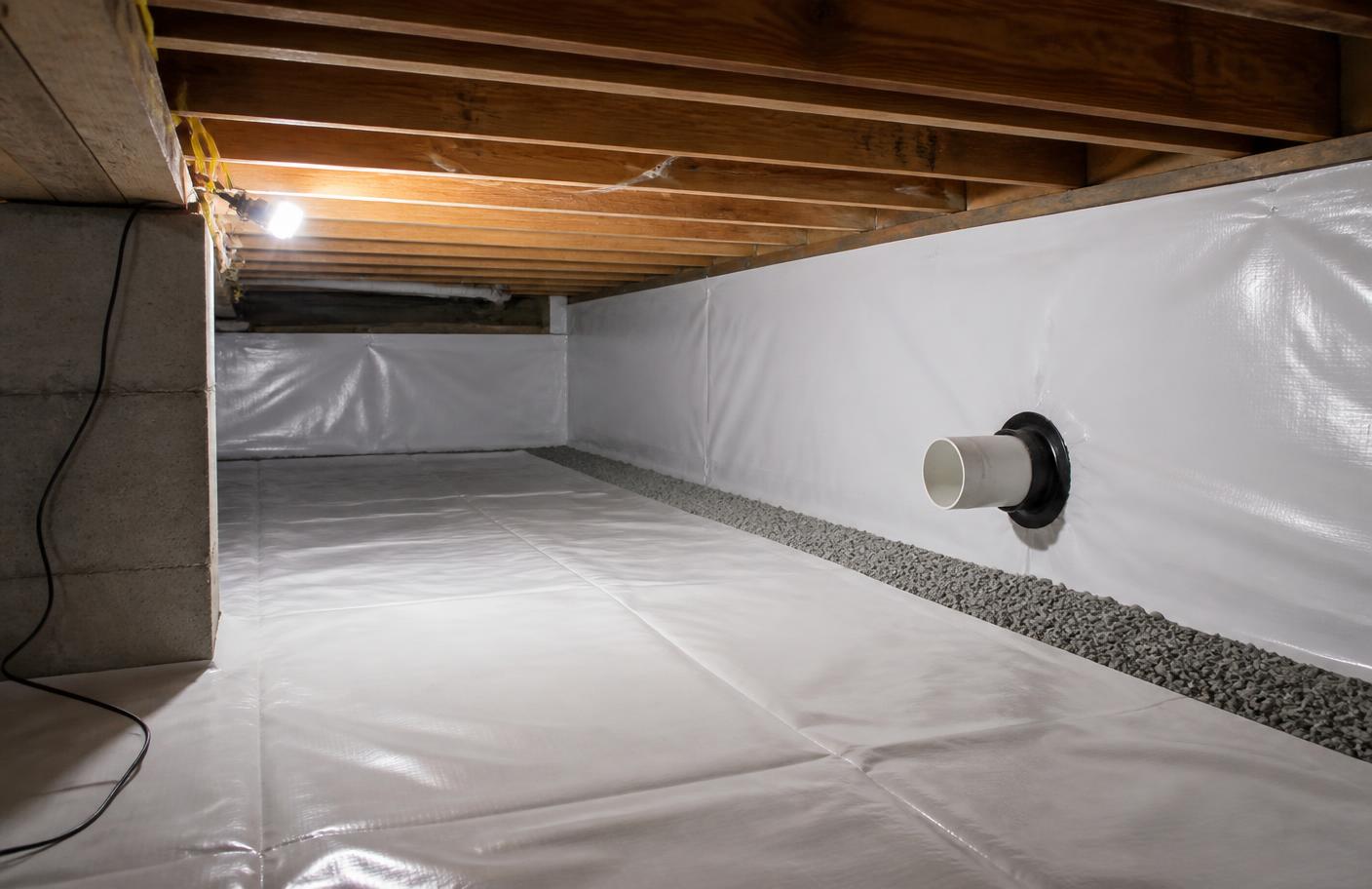
If You Already Have a Mitigation System Installed
Homes with an existing radon mitigation system are often viewed favorably by buyers, since the system demonstrates the radon issue has already been addressed. Sellers in this position should be prepared to confirm the system is functioning properly, which typically means checking that the manometer gauge shows appropriate suction and that the fan is running audibly and without unusual noise.
- Confirm the system's manometer reads within the expected range
- Listen for unusual fan noise that could indicate wear
- Gather any documentation from the original installation, if available
- Consider a fresh test to provide the buyer with current data
Avoiding Renegotiation Late in the Process
The biggest risk sellers face with radon is a surprise high result appearing during the buyer's inspection period, late enough in the process that it creates pressure to accept unfavorable renegotiation terms simply to keep the closing date on track. Pre-listing testing directly reduces this risk by putting the seller in control of the timeline for any necessary mitigation.
For sellers who choose not to test before listing, having a general understanding of typical mitigation costs, commonly in the roughly $800 to $2,500 range depending on foundation type, can at least help set realistic expectations for what a credit or price adjustment negotiation might involve if a buyer's test comes back elevated.
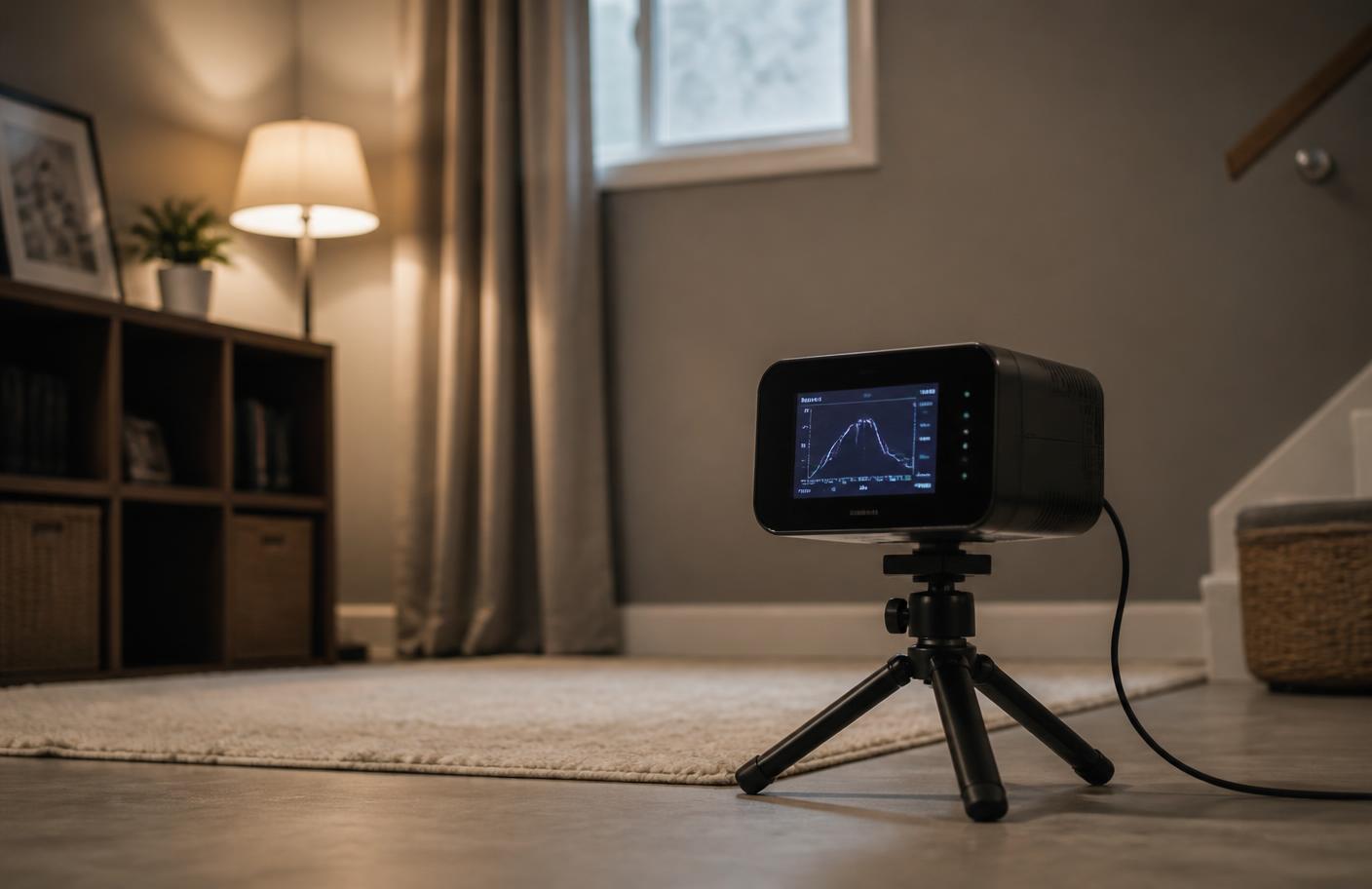
Coordinating Mitigation Timing With a Listing
If pre-listing testing reveals an elevated result, mitigation installation for a typical single-family home is often completed in about a day, with post-mitigation testing adding a few more days before results are confirmed. Coordinating this before photos and showings begin allows sellers to market the home with radon already addressed rather than treating it as an open item during negotiations.