Should You Test Before Listing?
Pre-listing radon testing is optional in Indiana rather than required by state law, but many sellers choose to test proactively so they know their number before a buyer's test surfaces it during a tight inspection-period timeline. Knowing the result in advance lets a seller decide whether to mitigate before listing, price accordingly, or simply be prepared to negotiate if a buyer's test confirms an elevated reading.
The tradeoff is that a documented pre-listing result becomes part of the property's history and, depending on your disclosure posture and your agent's guidance, may need to be addressed on the state disclosure form or in conversations with prospective buyers. Discuss with your agent or attorney how a pre-listing test result should be handled in your specific listing.
Indiana's Disclosure Form and Radon
Indiana sellers complete a residential real estate sales disclosure form addressing known property conditions. This site does not represent the specific legal requirements of that form regarding radon, since disclosure practices and form language can change and vary by transaction; confirm current requirements directly with your agent, attorney, or the state resources governing the disclosure process.
In general terms, if you have knowledge of a prior radon test result or an existing mitigation system, being straightforward about that history with your agent early tends to simplify the transaction, since undisclosed known issues can create complications later in a deal regardless of the specific legal disclosure threshold.

If You Already Have a Mitigation System
Homes with an existing mitigation system, whether installed by a prior owner or by you, should have that system's status documented for potential buyers: when it was installed, any known service history, and confirmation that the manometer shows it currently operating. Buyers and their inspectors will likely ask about this regardless of formal disclosure requirements, and having documentation ready avoids delays.
If your system hasn't been serviced or verified in some time, consider a system check before listing so you're not caught without an answer if a buyer's inspector asks about its current function during a showing or inspection.
- Document installation date and any known service history for existing systems
- Confirm the manometer currently shows the fan operating before listing
- Consider a system check if status hasn't been verified recently
- Be prepared to discuss the system's history with buyers or their inspectors
Handling a Buyer's Test Result
If a buyer's inspection-period test comes back elevated, the seller's options generally include installing mitigation before closing, offering a credit toward the buyer's own mitigation cost, or, depending on the contract, allowing the buyer to walk under the contingency. What's customary varies by specific agreement language and local market conditions, so lean on your agent's guidance for how similar situations have played out in comparable Central Indiana transactions.
If you decide to install mitigation as part of the negotiation, requesting a post-installation test before closing gives both parties documented confirmation that the work resolved the issue, which can also be useful evidence for you as the seller.
Pricing and Marketing Considerations
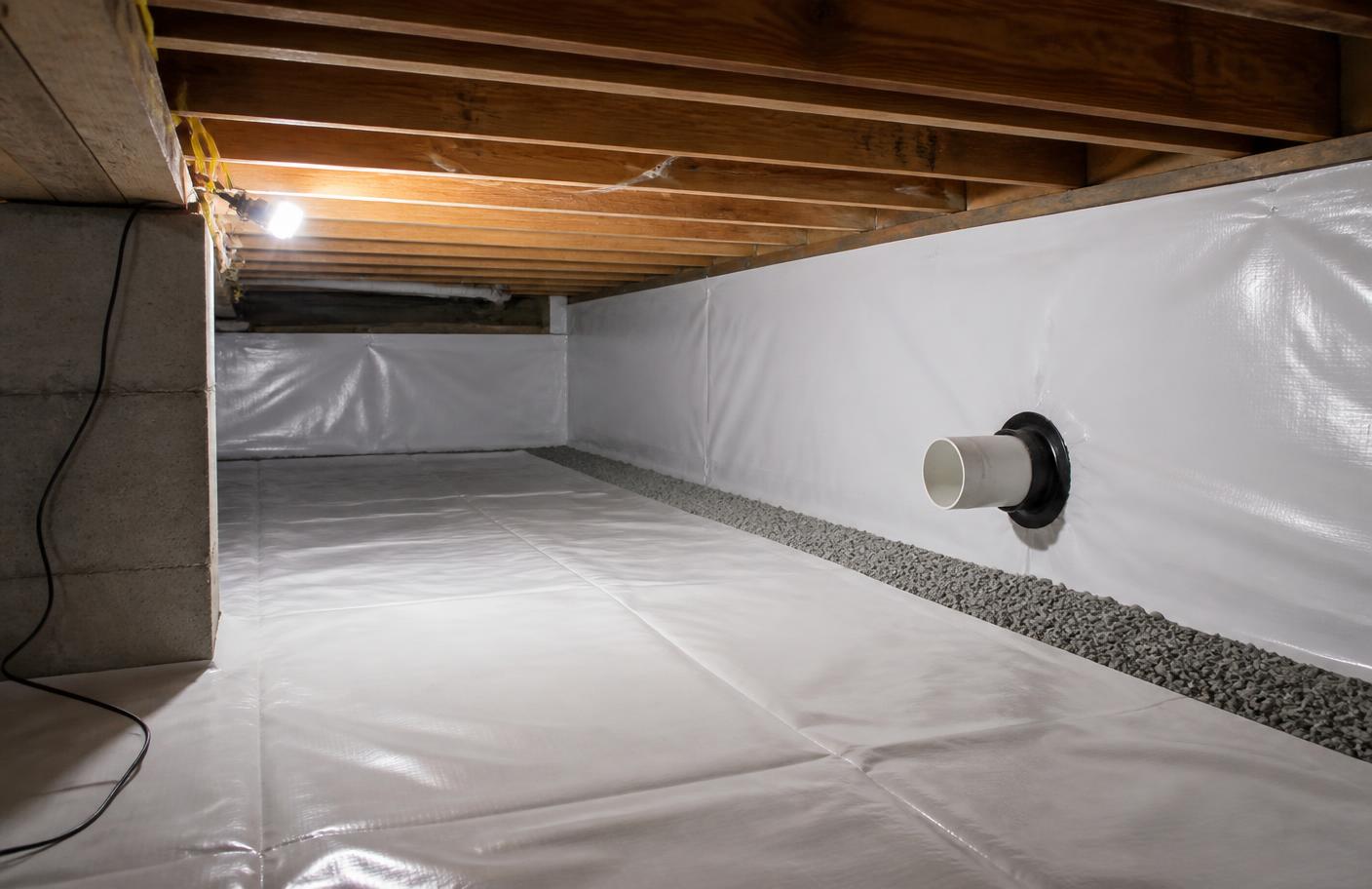
A confirmed high radon result doesn't need to derail a sale, since mitigation is a well-established, generally single-day fix in most homes, typically running $800-$2,500 depending on foundation and complexity. Being upfront and prepared with a plan, rather than letting the topic surface unexpectedly during negotiations, tends to keep transactions moving smoothly.
For homes that have already been mitigated, some sellers choose to mention the system as a feature in listing materials, since it demonstrates the issue has been addressed, though how to frame that in marketing is a conversation to have with your listing agent.
How This Differs From the Buyer and Agent Guides
This page focuses specifically on the seller's decisions and posture. The mechanics of contingencies, valid test types accepted in a transaction, and documentation standards that apply to both sides are covered in more transactional detail on the Indiana Real Estate Radon Guide, written for agents and investors managing the process from both directions.