Short-Term vs. Long-Term Devices
Short-term tests, typically using charcoal canisters, electret ion chambers or continuous radon monitors, run for roughly 48 hours and are the standard for real estate transactions where a fast result is needed. Long-term tests, usually alpha-track detectors, run for 90 days or more and give a better picture of a home's average exposure across seasonal variation.
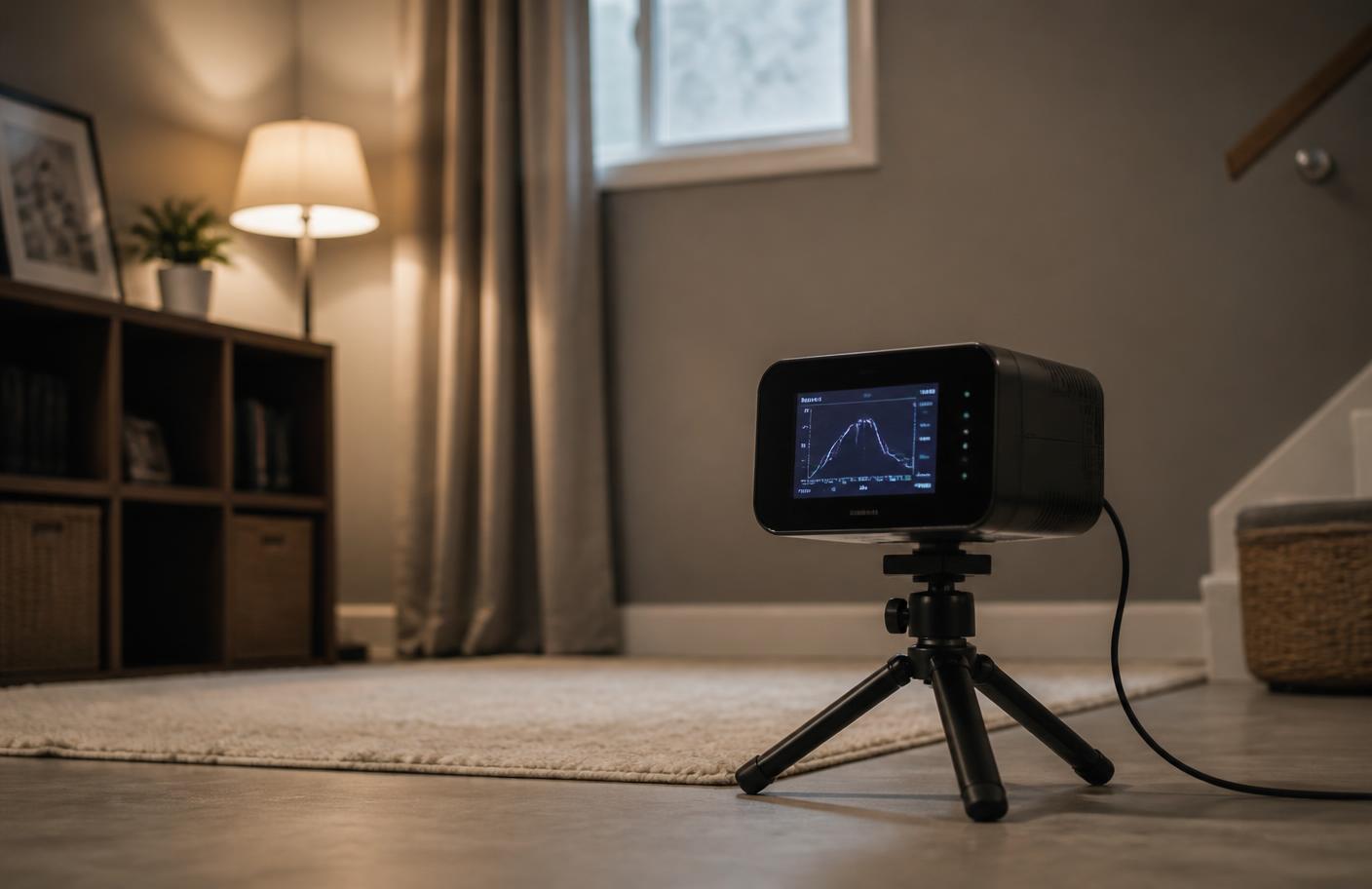
Continuous radon monitors, increasingly common in professional testing, log hourly readings and can flag irregularities such as a door being propped open during the test period, which adds a layer of data integrity that passive devices can't provide on their own. A deeper comparison of when each device type makes sense lives on the Short-Term vs. Long-Term Radon Testing guide.
Closed-House Protocol
EPA protocol calls for closed-house conditions during a short-term test: windows and exterior doors kept closed except for normal entry and exit, and the home's heating and cooling system operating normally rather than being switched off or run in an unusual mode. Interior doors are typically left in their normal position, and the test device is placed away from drafts, exterior walls, and sources of heat or humidity.
In Indiana, closed-house conditions are easiest to maintain during the heating season, which coincides with when radon levels also tend to run higher due to stack effect. Testing during mild spring or fall weather, when windows are more likely to be opened, can require extra attention from occupants to keep the test valid.
- Windows and exterior doors closed except for normal entry and exit
- HVAC system operating normally, not switched off or altered
- Device placed in the lowest livable level, away from drafts and moisture
- Test period undisturbed for the full 48-hour minimum on short-term devices
Where in the Home to Test
EPA and standard industry protocol call for testing in the lowest level of the home that is currently used or could be used as living space, since radon concentrations are generally highest at that level. In a home with a basement, that typically means the basement even if it's unfinished, unless it's used purely as storage and never occupied, in which case the lowest lived-in floor above it may be the more relevant test location for occupant exposure.
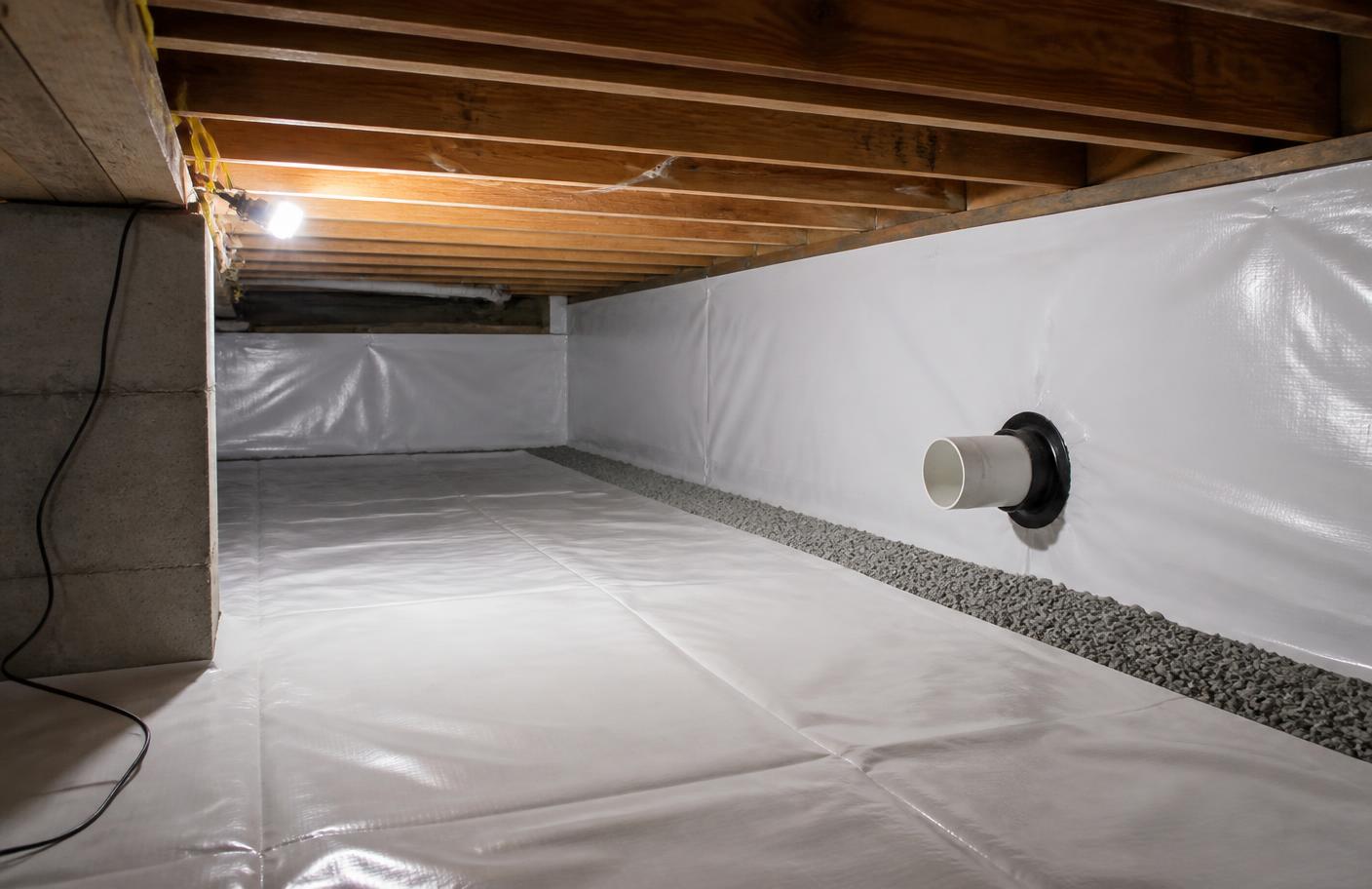
For crawl space homes without a basement, testing is generally done on the lowest floor of the home itself rather than inside the crawl space, since the crawl space is not living space; the Indiana Crawl Space Radon Guide addresses how sub-membrane conditions there relate to that ground-floor reading.
Interpreting a Single Result
A single short-term test result is a snapshot, not a certainty. EPA recommends confirming an initial elevated result with a second test, either another short-term test for a faster confirmation or a long-term test for a more representative average, before making mitigation decisions. Results at or above 4.0 pCi/L warrant mitigation consideration; results between 2 and 4 pCi/L fall into EPA's range where mitigation may still be worth considering depending on individual circumstances.
Full explanation of what specific ranges mean, including seasonal variation across Indiana's climate, is covered on the Indiana Radon Levels Guide, which this page defers to rather than duplicating.
Retesting and Verification
Beyond initial confirmation testing, retesting is relevant after a mitigation system is installed, to verify the system brought levels below the action threshold, and periodically afterward, since radon entry can change over time as foundations settle, sump pumps are serviced, or renovations alter airflow. Post-mitigation testing and routine retesting cadence are treated in more detail on the Post-Mitigation Radon Testing and How Often to Test for Radon guides.
Testing in New Construction and Rentals
New construction presents its own protocol nuances since concrete curing, HVAC balancing and construction dust can all affect early readings; the Radon Testing New Construction guide covers timing recommendations for newly built Indiana homes, many of which are common in Hamilton and Hendricks County subdivisions. Rental properties raise separate access and scheduling questions addressed on the Indianapolis Radon Testing Guide.