Residential Testing Fits the Home, Not a Template
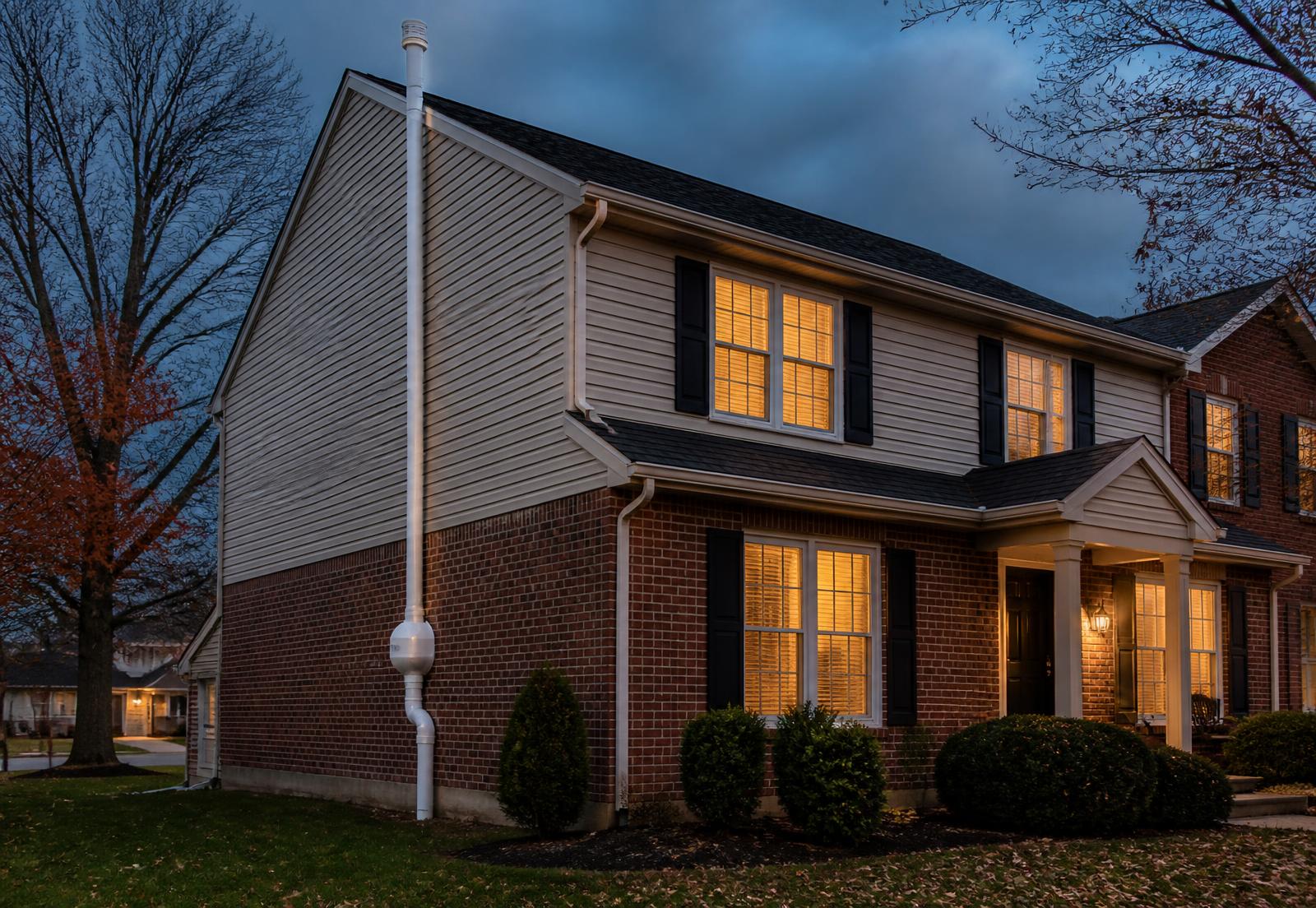
A ranch on a slab foundation in Pike Township, a two-story colonial with a full basement in Fishers, and a bungalow with a stone rubble foundation near Fountain Square each present different testing considerations, from where the lowest lived-in level actually is to how HVAC systems circulate air between floors. We evaluate the specific home before deciding on device placement, not just default to one universal spot.
For homes with a finished basement used as regular living space, EPA guidance places the test there since it is the space occupants actually spend time in. For homes with an unfinished basement rarely used, testing on the main floor may better represent typical daily exposure, and we discuss this with the homeowner before placing devices.
Foundation Types We Commonly Test
Full basements, whether finished or unfinished, are the most common foundation type we test in older Indianapolis neighborhoods, and testing typically happens at the lowest lived-in level per protocol. Slab-on-grade homes, common in many newer suburban subdivisions, are tested at the main living level since there is no basement to consider. Crawl space homes require attention to whether the crawl space is vented, sealed, or conditioned, since that affects how radon migrates into the living space above.
Homes with a combination, such as a partial basement and a partial crawl space under an addition, sometimes warrant more than one test device to capture an accurate picture across the different foundation zones.
- Full basement homes tested at the lowest lived-in level
- Slab-on-grade homes tested at the main living floor
- Crawl space homes evaluated for ventilation and sealing status
- Multi-foundation homes considered for additional device placement
Choosing Short-Term or Long-Term Testing
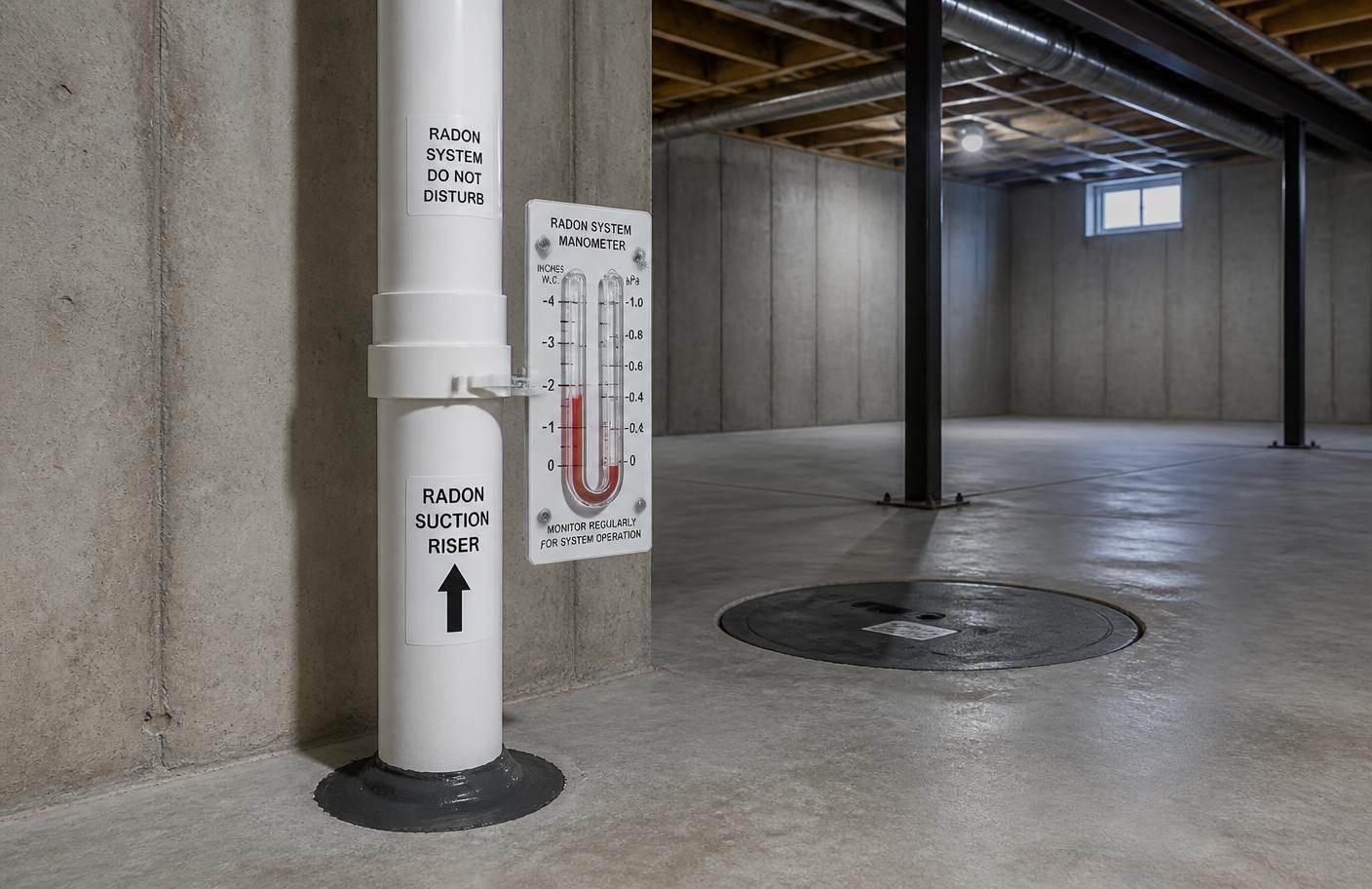
Homeowners not facing a transaction deadline often benefit from a long-term alpha-track test that runs 90 days or more, capturing a full seasonal picture rather than a single snapshot, since radon levels typically run higher in winter when homes are sealed tightly. Homeowners who want a quicker answer, or who are dealing with a real estate timeline, generally use a short-term charcoal, electret, or continuous monitor test instead.
Testing a Newly Purchased Home
Even if a prior owner tested the home before selling, many new homeowners choose to retest shortly after moving in, particularly if they plan to finish a basement, change how they use certain rooms, or simply want a fresh baseline under their own household's HVAC settings and habits.
What Homeowners Should Do Before Testing
Closed-house conditions need to be established roughly 12 hours before test placement and maintained through the full test period, meaning windows and exterior doors stay closed except for normal entry and exit. We ask homeowners to keep HVAC systems running in their normal operating mode and to avoid running whole-house fans or opening the home up for unusual ventilation during the test window.
After the Test: What Comes Next
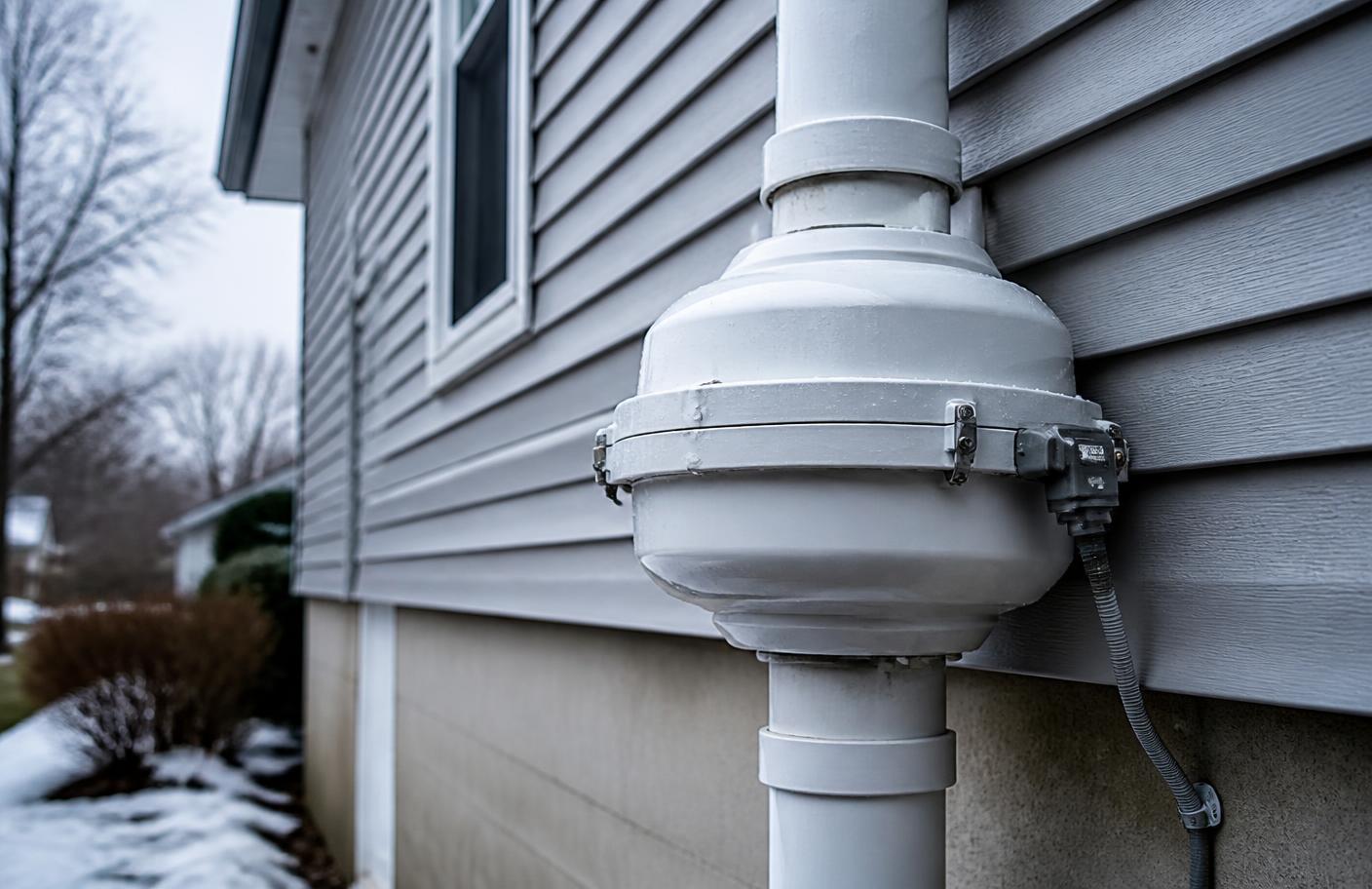
A result below 2 pCi/L generally means no action is needed, though periodic retesting every few years is still a reasonable practice since levels can change over time with foundation settling or renovation. A result between 2 and 4 pCi/L falls in the range EPA says to consider fixing, and a result at or above 4.0 pCi/L is the level EPA recommends addressing with a mitigation system.