Why a Retest Is Different From an Initial Test
An initial test establishes whether a radon problem exists at all. A retest is asking a more specific question: has something changed, whether that is a mitigation system's performance, a home renovation that altered airflow or foundation openings, or simply enough time passing that the original test no longer reflects current conditions. The testing method and protocol are the same, but the reason and the interpretation of results differ.
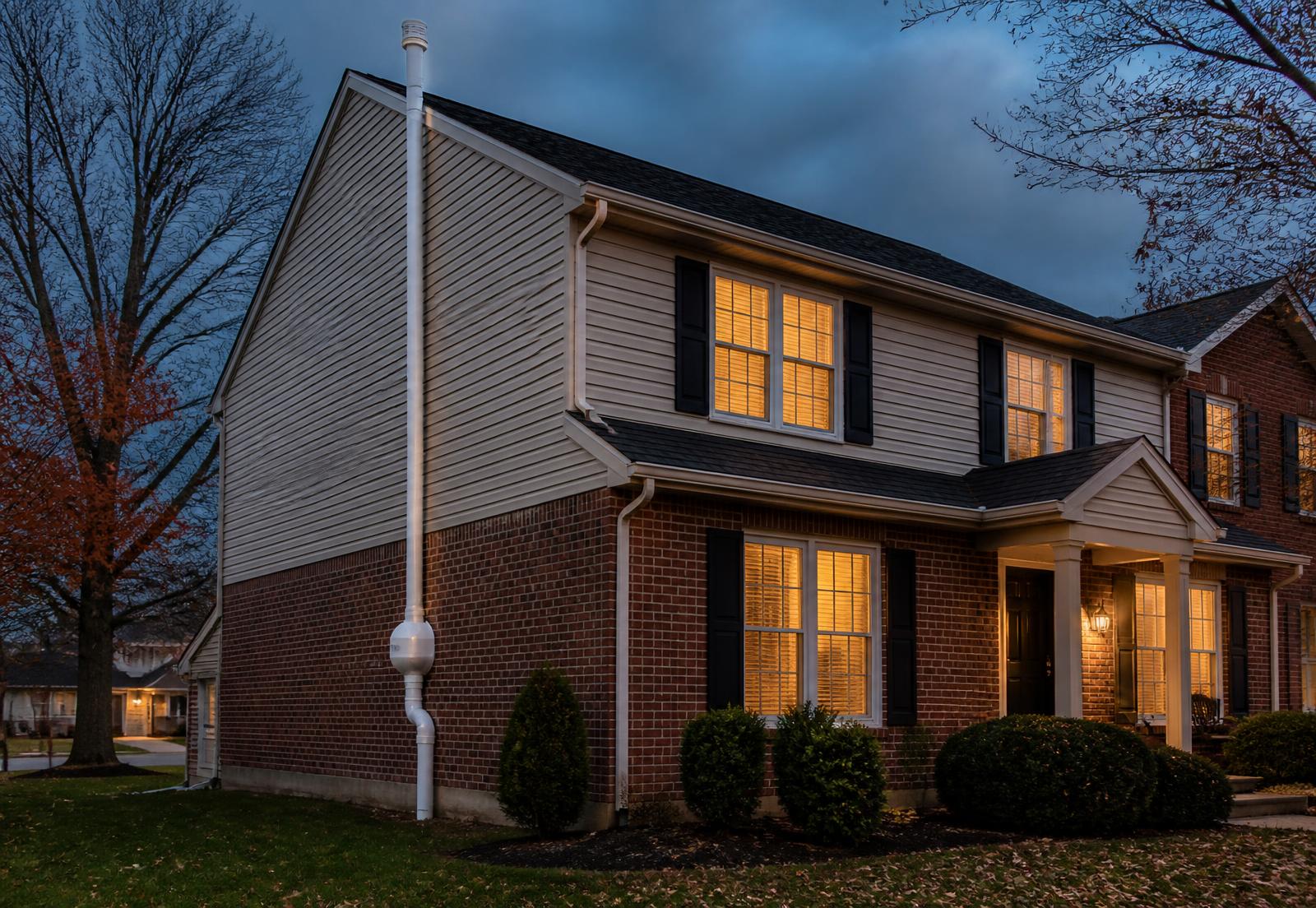
Retesting after a mitigation system was installed confirms the system actually achieved its goal. Retesting years after a passing test with no system confirms that nothing has changed to introduce new radon entry points, since foundations do shift, crack, and settle over time.
When Homeowners Typically Schedule a Retest
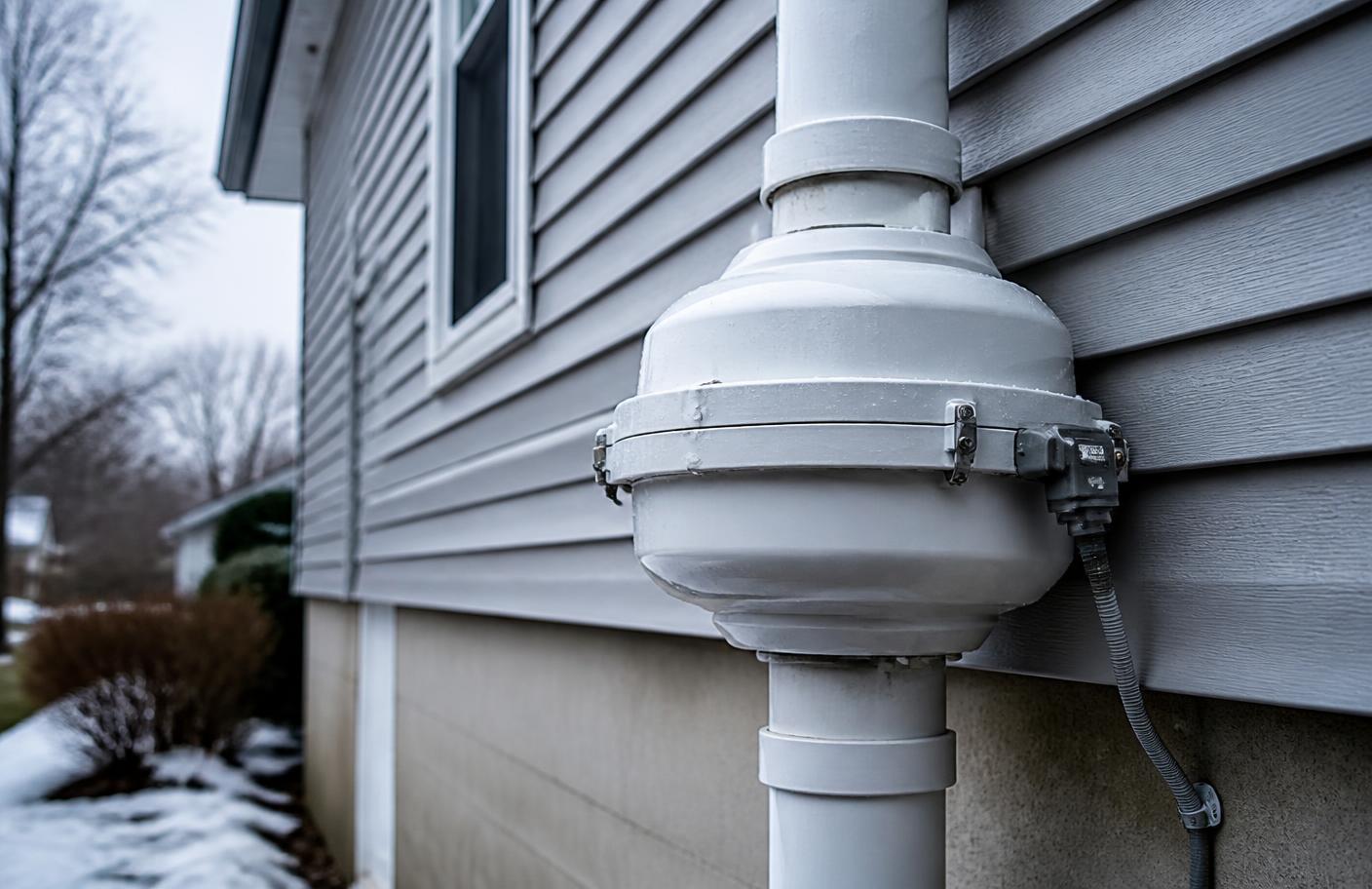
The most common trigger is a home sale, where a buyer wants a current reading regardless of a prior test's age, since real estate transactions generally call for recent, documented results rather than relying on a test from years earlier. Another common trigger is after any repair or maintenance work on an existing mitigation system, since a repaired system's actual performance needs to be confirmed rather than assumed.
We also see retest requests after a basement finishing project, an addition, a sump pump replacement, or any work that involved disturbing the foundation or slab, since these projects can inadvertently open a new entry pathway or disturb an existing seal.
- Home sale or purchase transactions requiring a current result
- After mitigation system repair, fan replacement or maintenance work
- Following basement finishing, additions, or foundation work
- Periodic check for homes with no system that tested borderline previously
Choosing the Right Retest Method
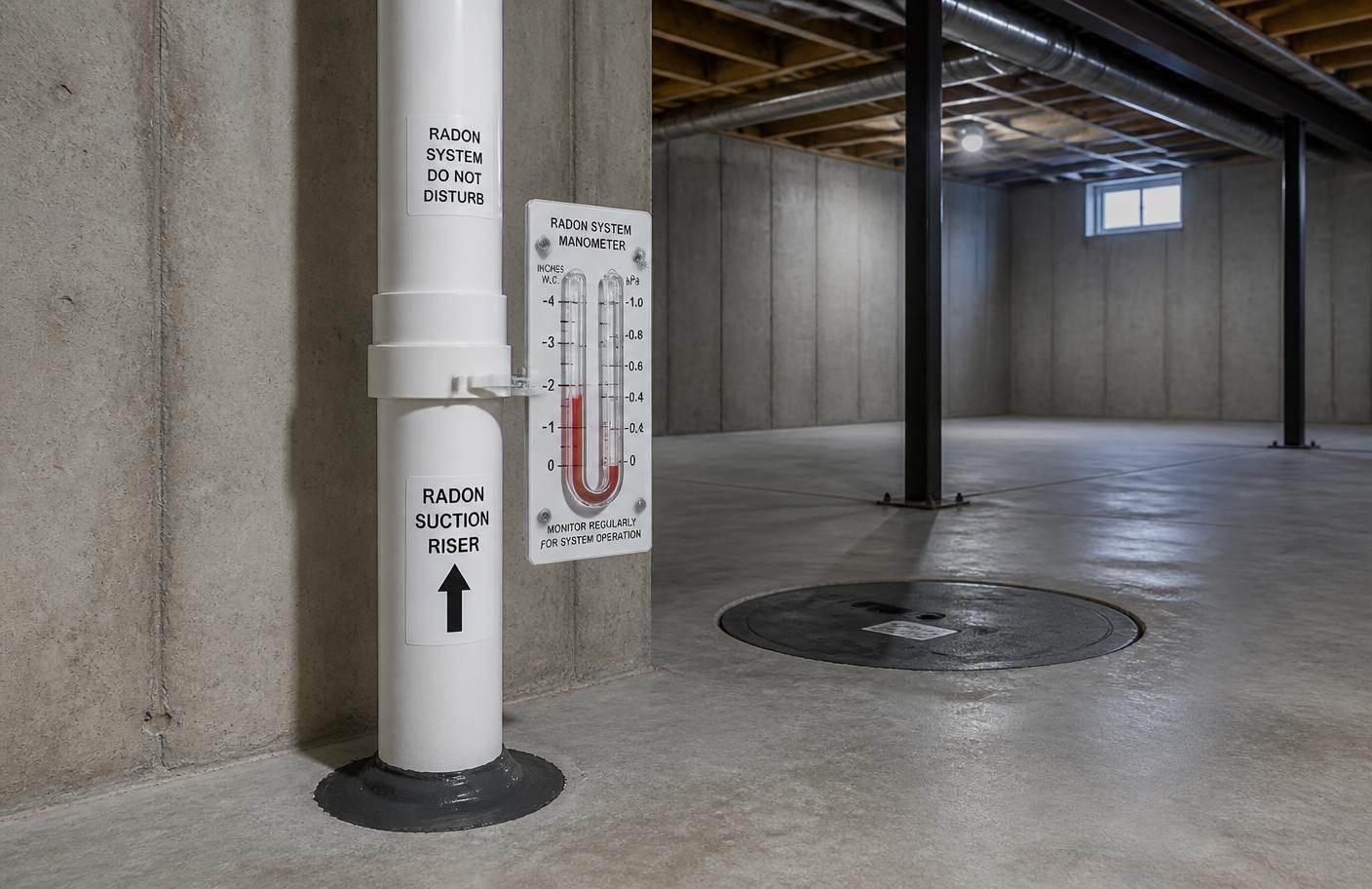
For most retesting situations we use a short-term test, either a charcoal canister, electret device, or continuous radon monitor, since the goal is usually a timely answer rather than a full seasonal average. Continuous monitors are particularly useful for retesting after a mitigation repair because the hourly logged data shows exactly when levels stabilized, which is more informative than a single averaged number from a passive device.
If a prior test was long-term and the homeowner wants an updated seasonal average rather than a snapshot, we can place another long-term alpha-track detector, though most retest requests are time-sensitive enough that a short-term test is the more practical choice.
Retesting Under Closed-House Conditions
Retests follow the same closed-house protocol as an initial test: windows and exterior doors closed except for normal entry and exit, starting roughly 12 hours before placement. This consistency matters because comparing a retest to a prior result is only meaningful if both tests were conducted under similar conditions.
Interpreting a Retest That Comes Back Different
A retest that comes back higher than a prior passing test is not necessarily alarming on its own, since radon levels naturally fluctuate with season, barometric pressure and even how the home was operating during the specific test window, but a meaningful increase, especially after known renovation work, warrants investigation into whether something changed at the foundation. A retest after a mitigation repair that still shows an elevated reading indicates the repair did not fully resolve the underlying suction issue and needs further diagnostic work.
Retesting for Real Estate Deadlines
We understand that retest requests connected to a pending sale or purchase often come with a hard closing deadline, and we prioritize scheduling accordingly, using continuous monitors when a fast, defensible result is needed within a tight window across Marion County and the surrounding Central Indiana counties.