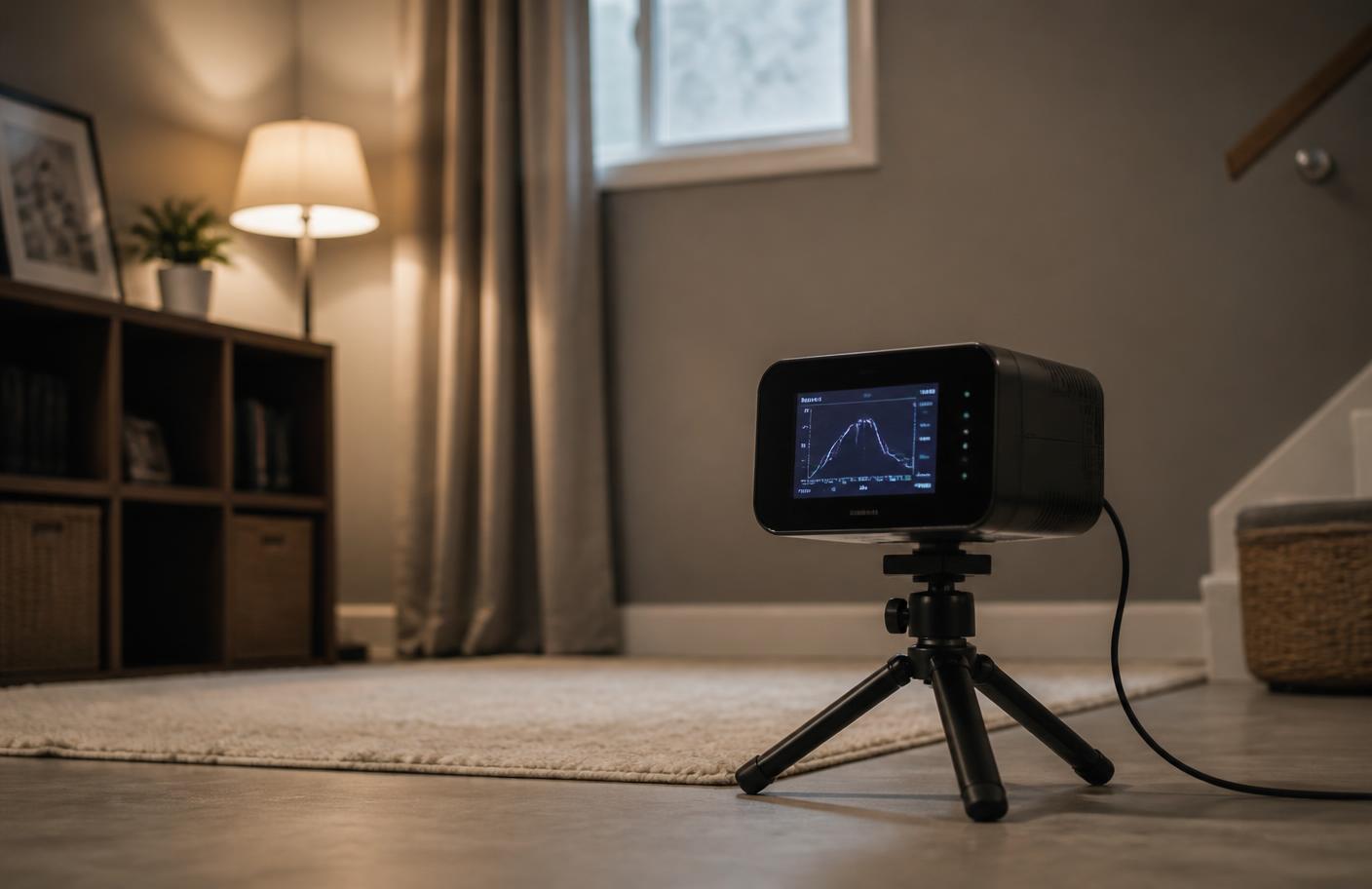
The baseline recommendation
EPA's general guidance is to test every home for radon and then retest at least every two years, since radon levels can change over time even without any obvious cause. Soil conditions, foundation settling, and small changes in how a home operates can all shift indoor radon concentrations gradually, which is why a single test years ago isn't a reliable indicator of today's levels.
In Central Indiana, where Marion County and the surrounding counties sit in EPA Radon Zone 1, the two-year interval is a reasonable default even for homes that previously tested below the action level, since Zone 1 designation reflects a higher likelihood of elevated readings across the region generally, not a guarantee for any individual property.
Events that should trigger an earlier test
Certain changes to a home warrant retesting sooner than the standard two-year interval because they can meaningfully alter airflow and soil gas entry. These include finishing a basement, adding an addition, replacing windows or doors, upgrading or changing an HVAC system, and any foundation repair or crack sealing work.
Buying a newly constructed home is another reason to test sooner rather than waiting, since even homes built with passive radon-resistant features should be tested to confirm the passive system alone is adequately reducing levels, or whether it needs to be activated with a fan.
- Finishing a basement or adding conditioned living space
- Replacing or upgrading HVAC equipment
- Foundation repair, crack sealing, or waterproofing work
- Moving into a newly purchased or newly built home
- Any time a mitigation system has been serviced or replaced
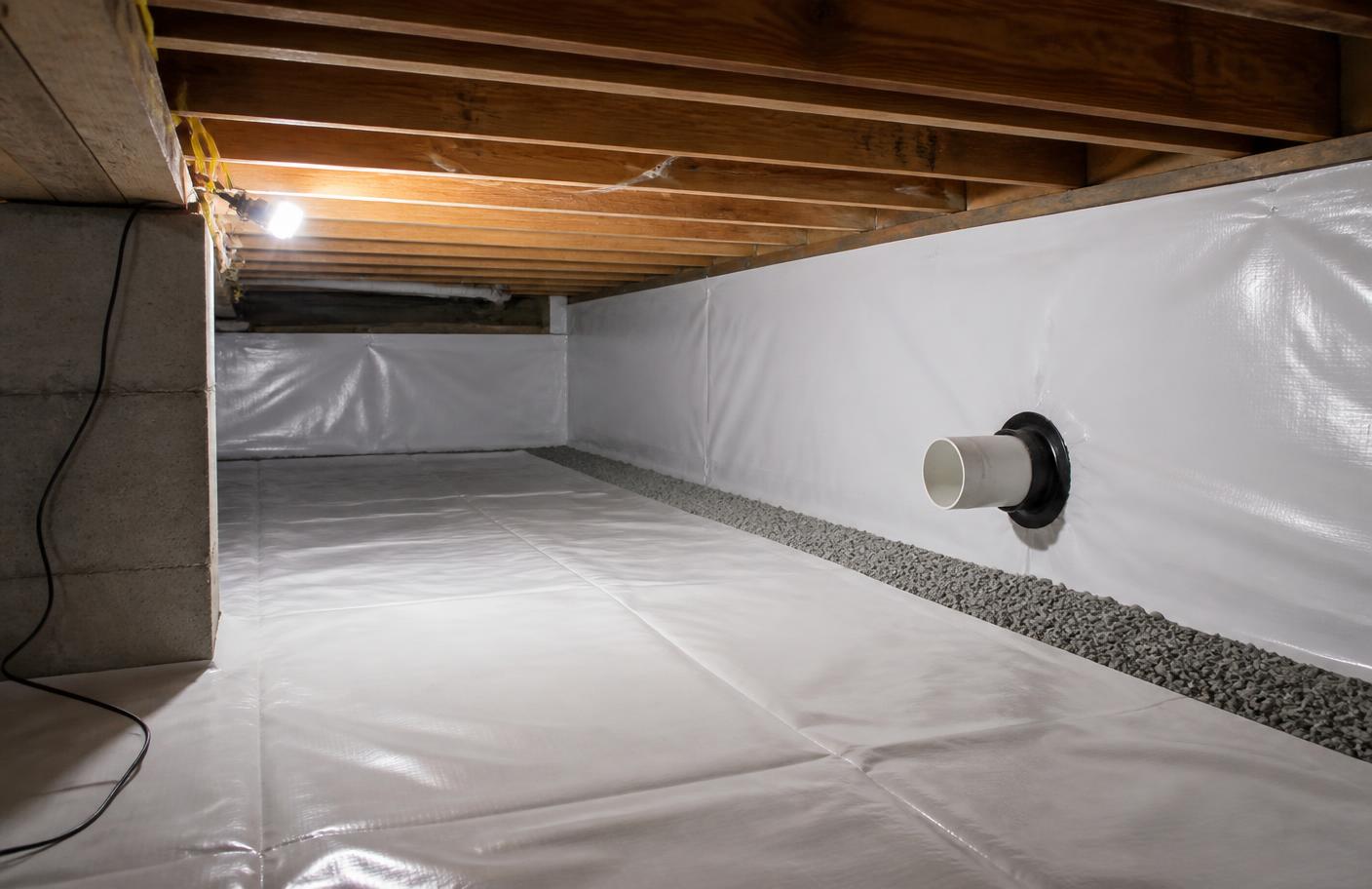
Retesting after mitigation
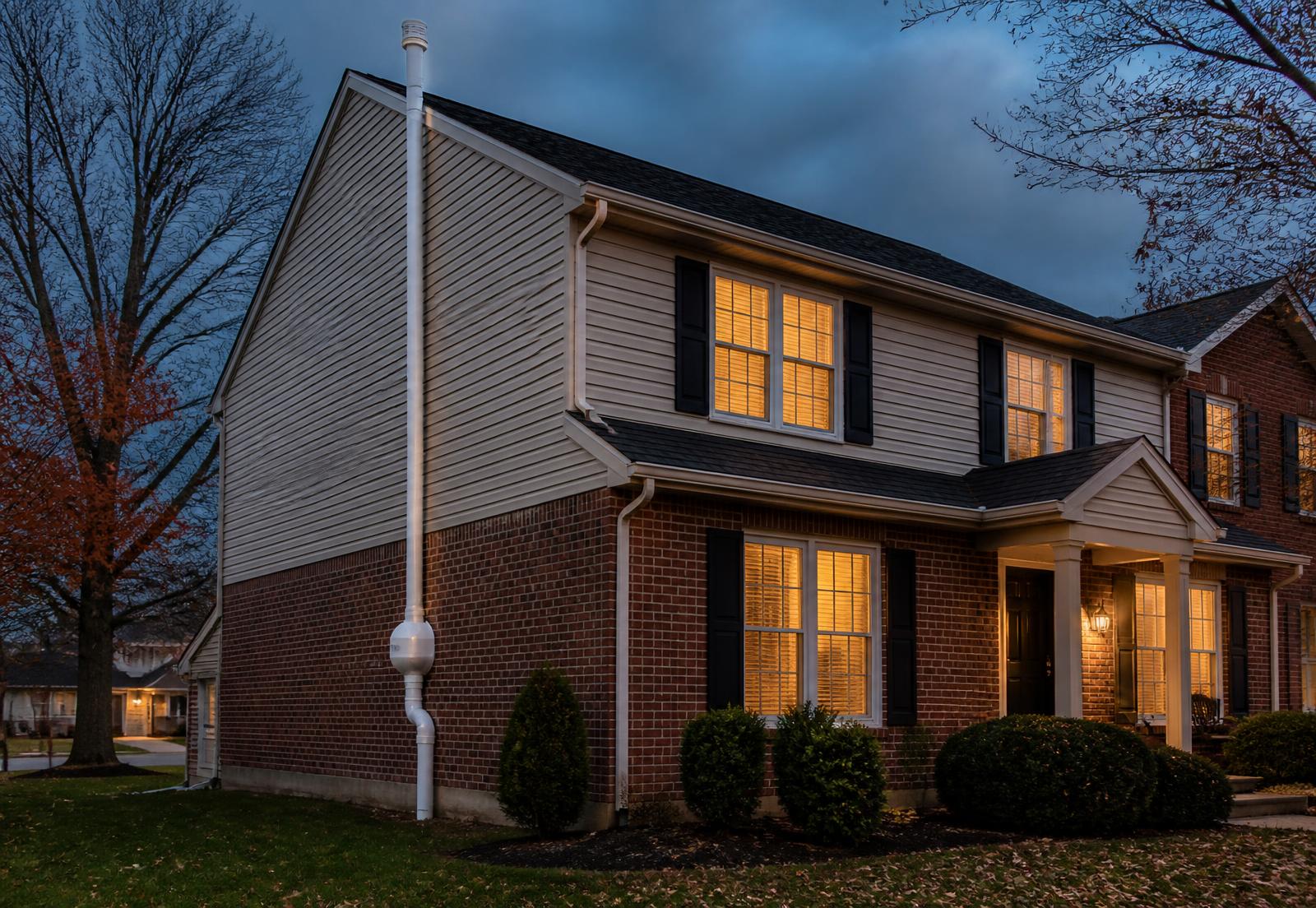
EPA recommends retesting after a mitigation system is installed to confirm it brought levels below the action level, and then continuing to retest periodically afterward, generally every two years, since fans wear out, seals degrade, and household changes can affect system performance over the system's lifespan. A system that worked well when installed can gradually become less effective without any obvious external sign.
Our practice is to recommend retesting sooner if a homeowner notices anything unusual, such as a fan making new noises, a manometer reading that looks different than usual, or renovation work near the suction point, rather than waiting for the two-year mark to roll around.
Special testing situations
Real estate transactions typically call for a fresh test regardless of when the home was last tested, since buyers and lenders generally want current, transaction-specific documentation rather than relying on a prior owner's results. Similarly, homes that have sat vacant for an extended period, or seasonal properties, should be tested under normal occupied conditions before anyone moves in long-term.
Households with particular sensitivity to health risk, such as smokers whose combined radon and smoking exposure substantially increases lung cancer risk according to EPA and CDC, may reasonably choose to test more frequently than the two-year minimum simply for added assurance.