The first 24 to 72 hours
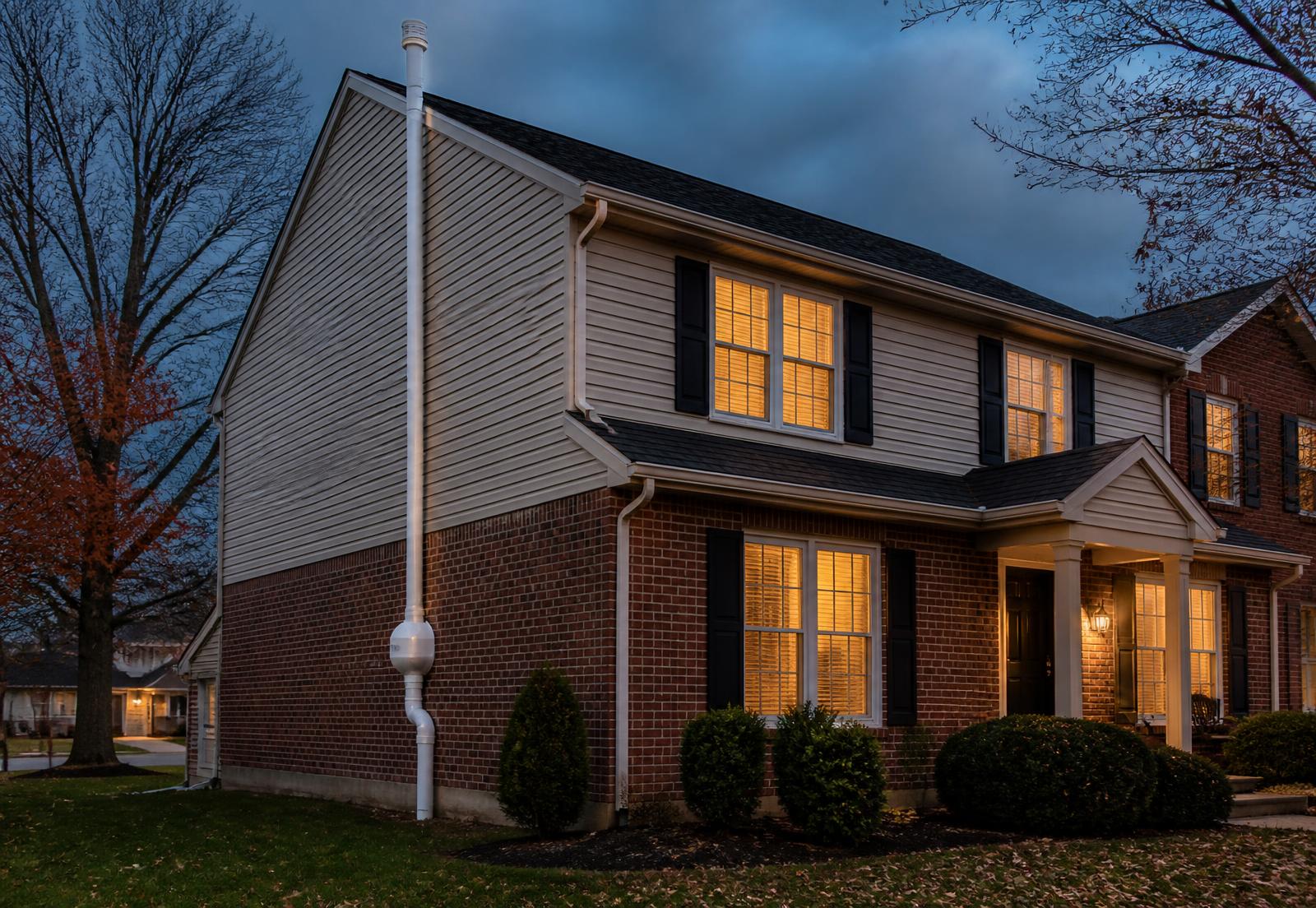
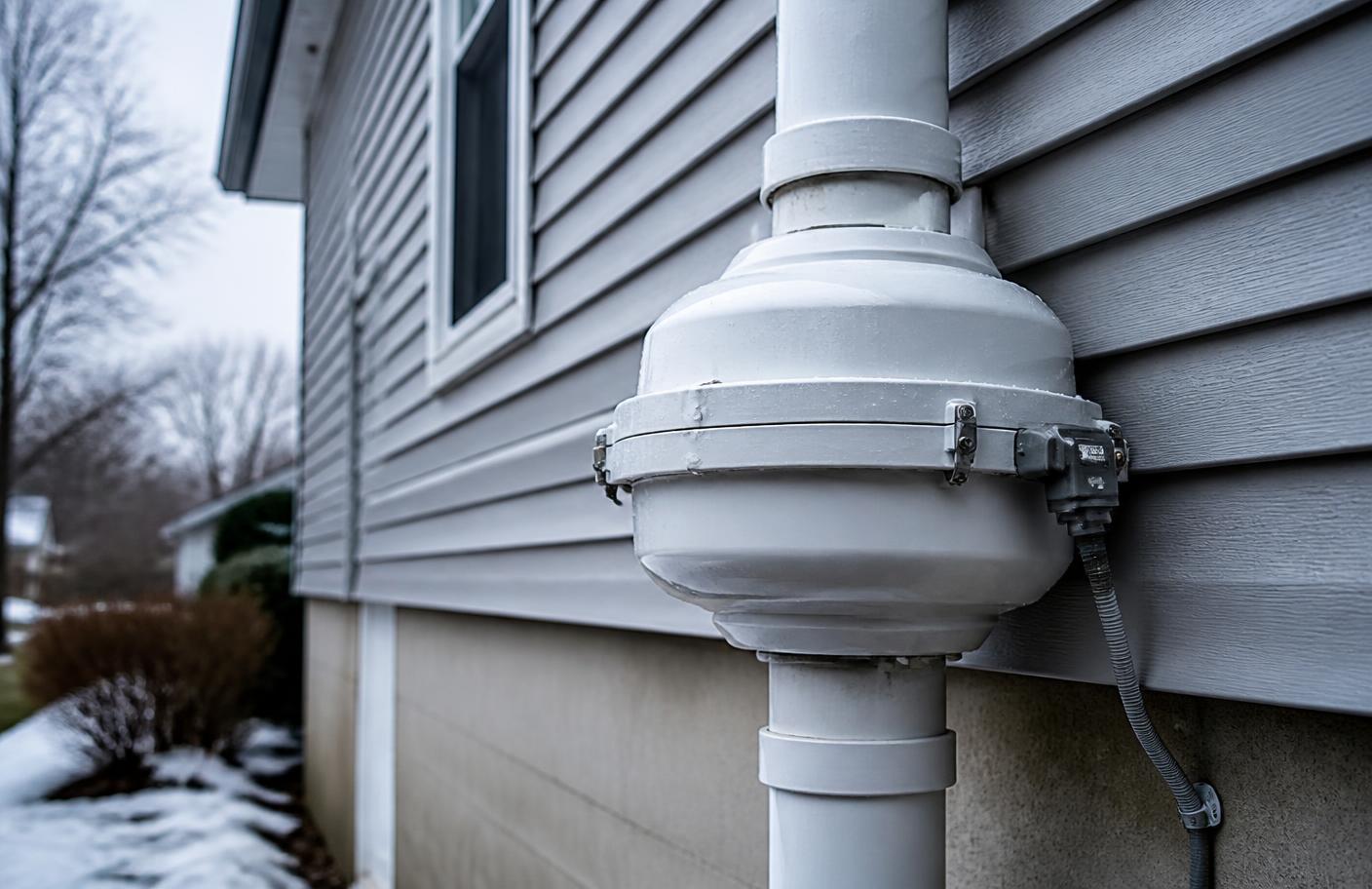
Once a system is activated, the fan begins actively drawing soil gas from beneath the foundation and venting it above the roofline, and indoor radon levels typically begin dropping within hours. EPA recommends waiting at least 24 hours after activation before conducting a post-mitigation test, giving the home's air enough time to fully reflect the new, reduced conditions rather than measuring a transitional state.
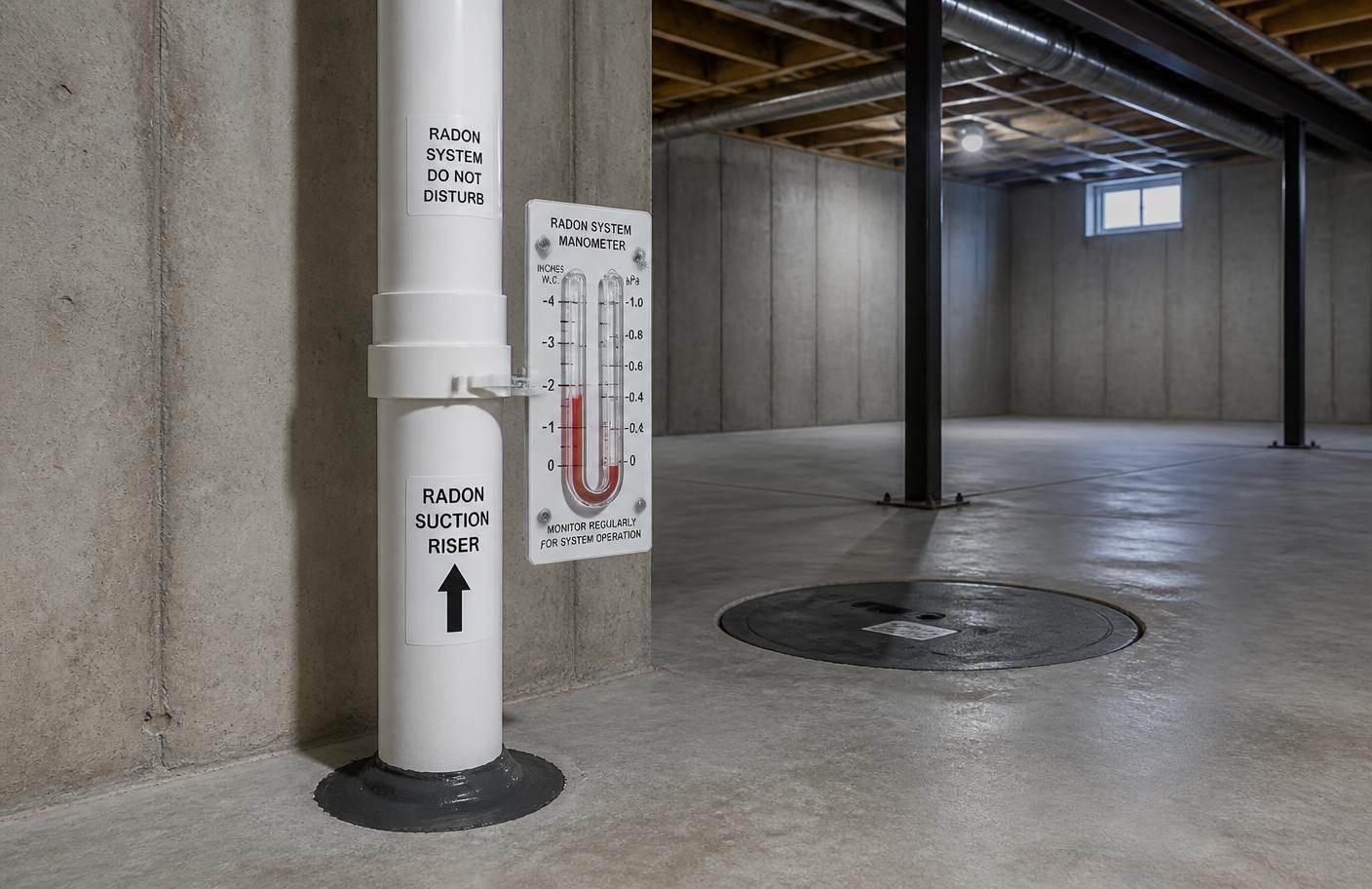
During this window, it's normal to still notice the manometer showing suction and possibly to hear the fan's steady operating hum for the first time if you haven't been near an active system before. This is expected behavior, not a sign of a problem.
Post-mitigation confirmation testing
A confirmation test typically runs for 48 hours using the same closed-house protocol as an initial test, and should be conducted under normal living conditions with the system running continuously throughout. This test's purpose is specifically to verify the installed system achieved its goal, distinct from a general periodic retest done years later.
If the confirmation test still shows levels at or above the action level, this doesn't necessarily mean the whole system failed; it often points to a need for an additional suction point, better sealing, or a fan upgrade, identified through further evaluation such as communication testing across the slab.
- Wait at least 24 hours after activation before testing
- Run the confirmation test for 48 hours under closed-house conditions
- Keep the system running continuously throughout the test
- If levels remain elevated, expect follow-up evaluation rather than assuming total failure
Living with an active system day to day
Ongoing life with a mitigation system mostly means occasional glances at the manometer to confirm the reading matches what was recorded at installation, and general awareness of the fan's normal operating sound so a future change is noticeable. There's no special daily maintenance required; the system is designed to run continuously in the background.
It's worth telling any contractors doing later work near the foundation, sump pit, or attic space about the mitigation system's presence, since accidental damage to piping or disconnection of the fan during unrelated renovation work is one of the more common causes of system problems discovered later.
Longer-term monitoring and periodic retesting
EPA recommends retesting periodically after mitigation, generally on roughly a two-year cadence similar to the standard recommendation for any home, since fan performance and sealing can degrade gradually over years even when a system passed its confirmation test with room to spare. This periodic check is separate from watching the manometer day to day and provides an actual updated radon concentration reading.
Homeowners planning to sell in the future should also keep records of the original confirmation test and any subsequent retests, since documented post-mitigation performance is useful information for buyers and can streamline the transaction's radon-related disclosures or requirements.
When something changes after mitigation
If a manometer reading changes, the fan sounds different, or a scheduled retest comes back higher than the original confirmation test, treat it the same as any other system performance issue: worth a professional evaluation rather than assuming a one-time fluctuation. Because the system is now the primary line of defense against elevated radon in the home, catching a decline in performance early keeps exposure minimized.
Renovation work, foundation repairs, or HVAC changes made after mitigation are also reasons to consider a retest sooner than the standard two-year interval, since these changes can alter the pressure relationships the system was originally designed around.