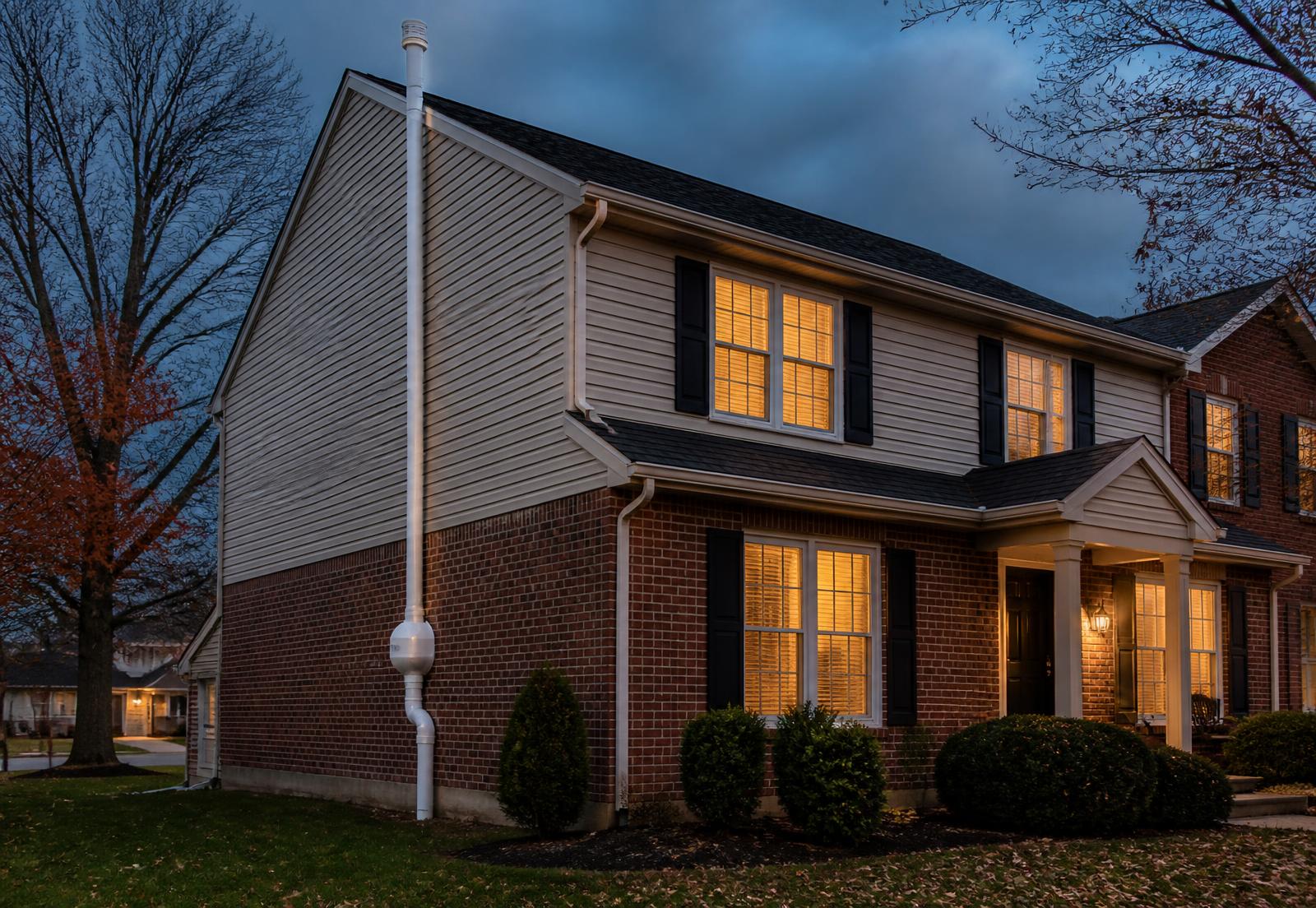
How the two approaches differ
Short-term testing captures a compressed snapshot, typically 48 hours, under controlled closed-house conditions, then extrapolates that reading as representative of ongoing exposure. Long-term testing instead directly measures radon across weeks or months of normal household activity, including natural changes in ventilation, weather, and seasons, without needing to hold artificial closed-house conditions the whole time.
Because short-term tests compress so much into a brief window, they rely heavily on the closed-house protocol to produce a meaningful number, while long-term tests are inherently more representative of everyday conditions since they simply observe the home as it's actually lived in over an extended period.
When short-term testing is the right choice
Short-term testing is the practical default for real estate transactions, where a buyer or seller needs a result within days rather than months to keep a closing timeline on track. It's also appropriate for general screening when a homeowner wants a reasonably quick answer, and it's the format most commonly used with continuous monitors that include tamper detection, an important feature in transaction contexts.
The tradeoff is that a 48-hour test captures a narrower slice of time, so a reading taken during unusually calm weather or a mild season could understate what a home experiences during peak conditions, such as the height of Indiana's winter heating season.
- Real estate transactions with closing deadlines
- General screening when a fast answer is preferred
- Following up on a fluctuating or borderline previous result
- Compatible with tamper-detecting continuous monitors
When long-term testing makes more sense
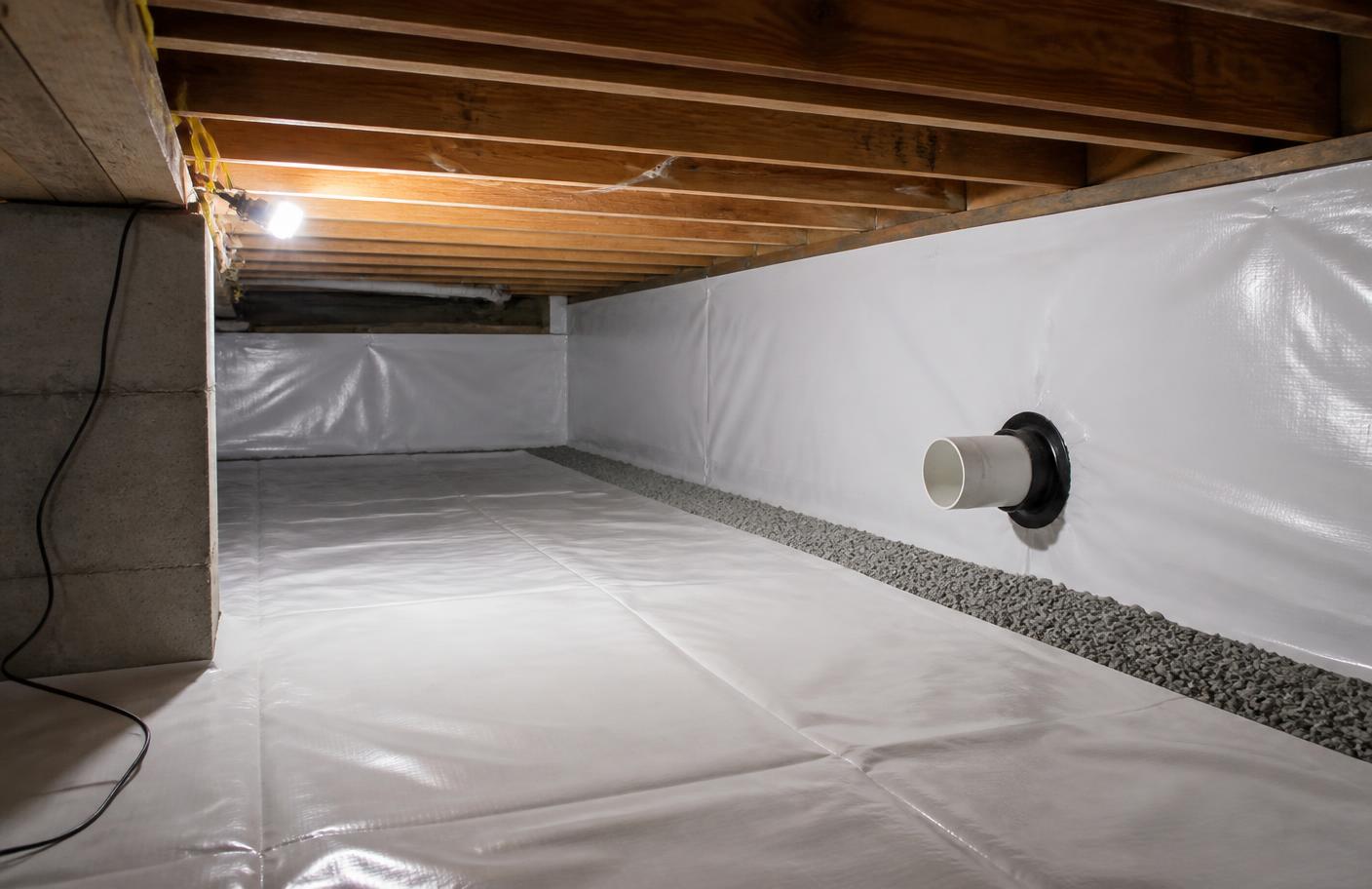
Long-term testing is worth considering when a homeowner wants the most representative possible picture of year-round exposure, particularly if a short-term test produced a borderline result close to the action level and there's no immediate transaction deadline forcing a quick decision. It naturally incorporates both Indiana's high-stack-effect winter conditions and milder shoulder seasons into a single average.
It's less practical for time-sensitive situations given its multi-month duration, and it doesn't offer the tamper-detection advantages of a continuous monitor in the same way, since passive long-term devices are typically simple alpha-track detectors left in place for the full period.
Accuracy tradeoffs to understand
Neither test type is inherently more accurate in an absolute sense; they measure different things. A short-term test under proper protocol accurately measures radon during that specific window and closed-house condition, while a long-term test accurately measures the actual average exposure over its full duration under normal living conditions. The choice depends on which question you're trying to answer.
For borderline results, EPA guidance suggests that if a short-term test comes back between 4 and 10 pCi/L, a follow-up test, either a second short-term test or a long-term test, can help confirm whether mitigation is warranted, since a single short-term reading close to the action level carries more uncertainty than a very high or very low reading would.
Making the decision for your situation
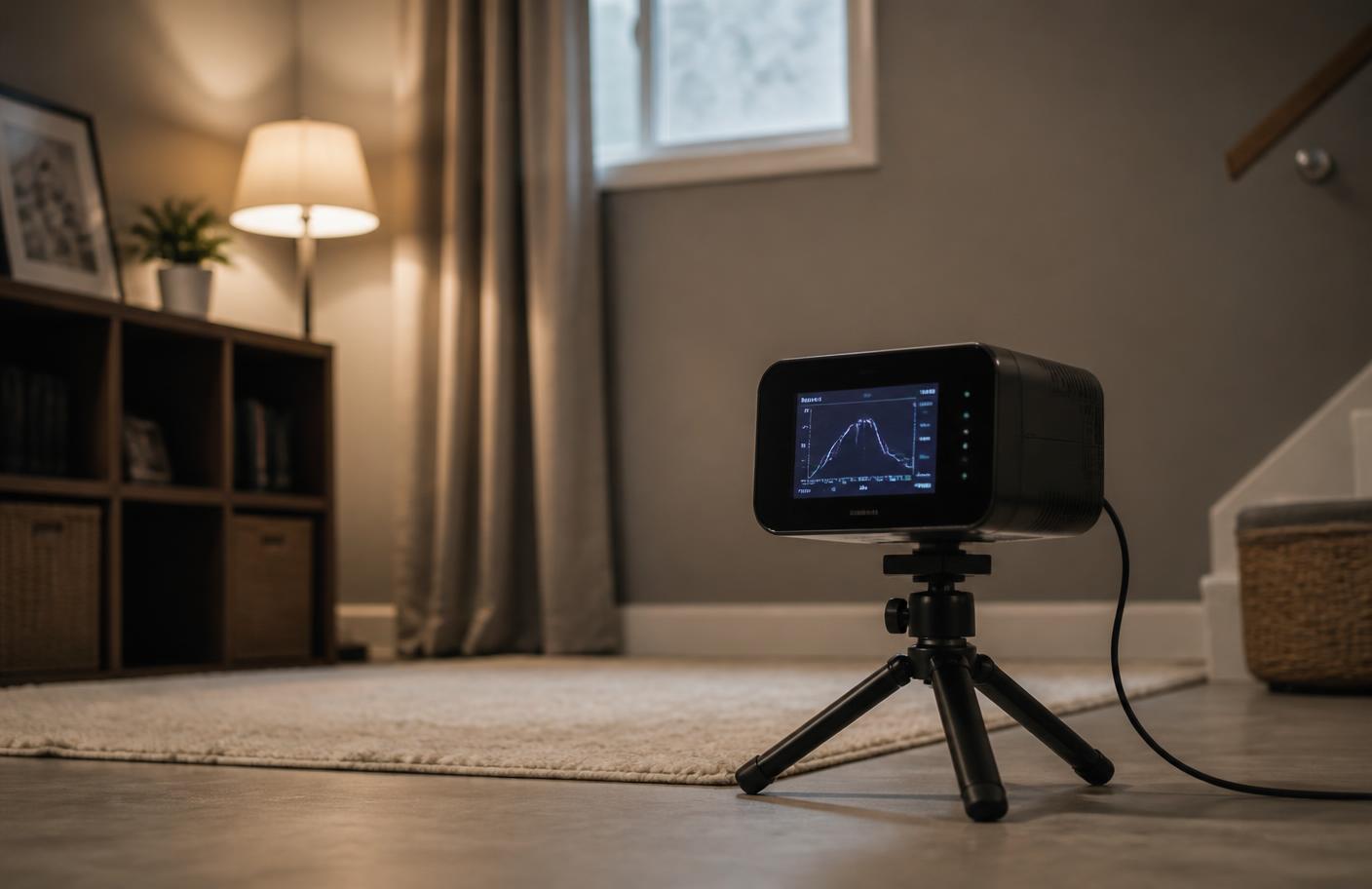
If you're buying or selling a home, closing timelines will typically make short-term testing with a continuous monitor the only realistic choice, and that's appropriate given the protocol's design for exactly this use case. If you already own your home, have time, and want the fullest picture before deciding on mitigation, a long-term test following an initial short-term screening result can add useful confirmation.
Our practice is to recommend short-term continuous monitoring as the default for most Indianapolis clients given its speed and tamper detection, reserving long-term testing for homeowners specifically interested in a seasonal average or those following up on a borderline short-term result.