Standard testing timeframes
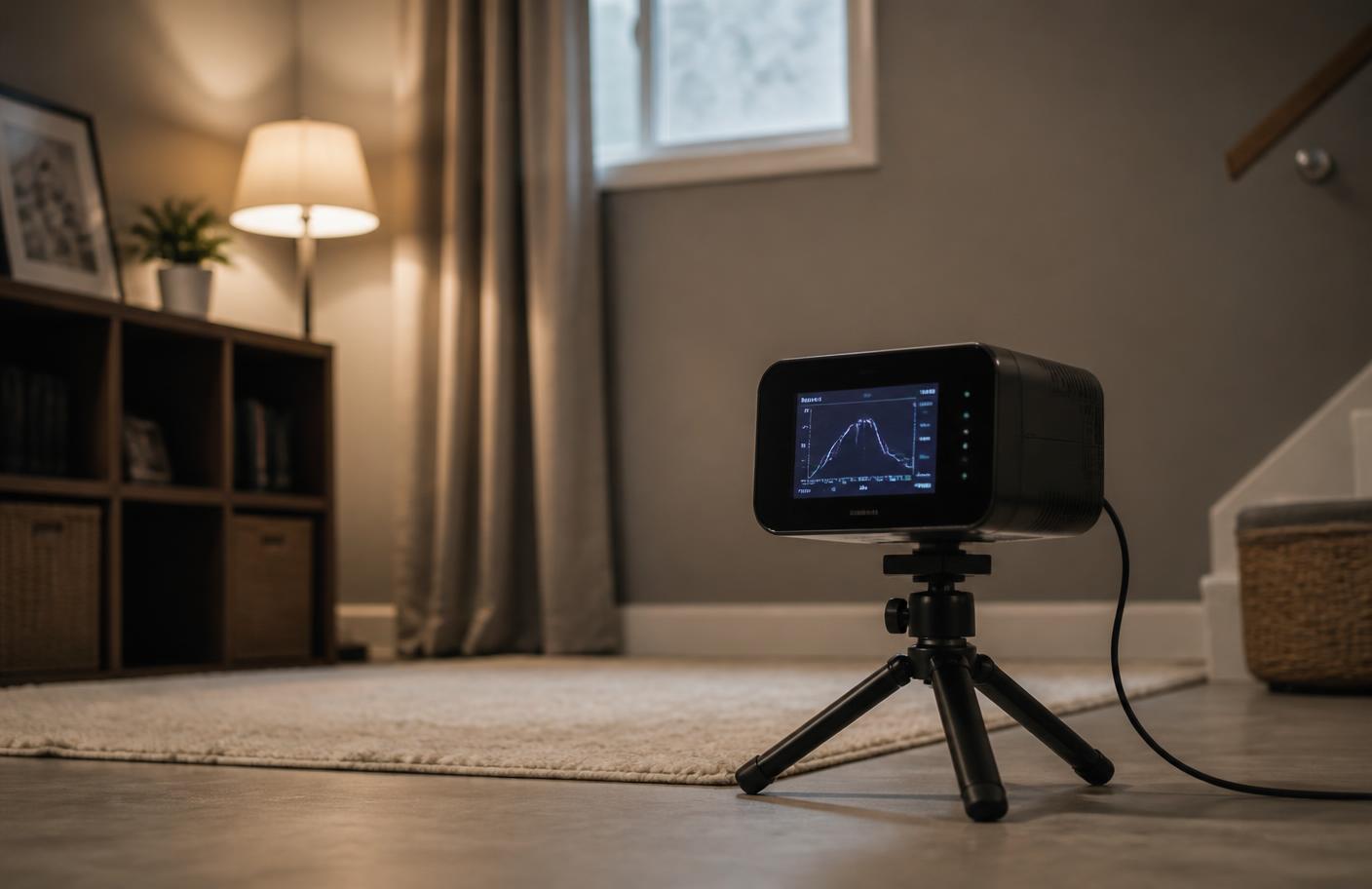
Short-term tests, the most common format for home purchases and routine screening, run for a minimum of 48 hours with a continuous monitor and can extend up to about a week with certain passive devices. This window is long enough to average out daily fluctuations from weather and household activity while still delivering results quickly enough for real estate closing timelines.
Long-term tests run from 91 days up to a year and are better suited to establishing a home's typical annual average radon exposure rather than a snapshot. They're less common for transactions because of the time involved, but they can be useful for a homeowner who wants a fuller seasonal picture before deciding whether to mitigate.
What adds time to the process
Scheduling the initial placement visit is usually the first variable; availability, home access, and whether closed-house conditions can be met beforehand all factor in. In Indianapolis, winter heating season often produces higher readings due to stack effect pulling more soil gas indoors, so testing during colder months is common and doesn't require any extra time beyond the standard protocol.
If a test is interrupted, tampered with, or conducted under conditions that violate closed-house requirements, it may need to be redone, adding days back onto the timeline. This is one reason continuous monitors with movement and door-open logging are valuable: they flag problems immediately rather than after a wasted test period.
- Short-term test: minimum 48 hours, commonly used for real estate and screening
- Long-term test: 91 days to one year, used for annual average exposure
- Interruptions or tampering can require a retest, adding time
- Results from continuous monitors are typically available same-day after pickup
How quickly you get results
With a continuous radon monitor, results are calculated internally and can be reported essentially as soon as the device is retrieved and the data downloaded, often the same day. Passive lab-analyzed devices such as charcoal canisters or alpha-track detectors require mailing to a laboratory, which typically adds several days to a couple of weeks depending on lab turnaround.
For time-sensitive situations like a real estate closing, continuous monitoring is generally the more practical choice because it eliminates mailing delays and provides documented, tamper-checked data that both buyers and sellers can review quickly.
Timing around renovations and seasonal changes
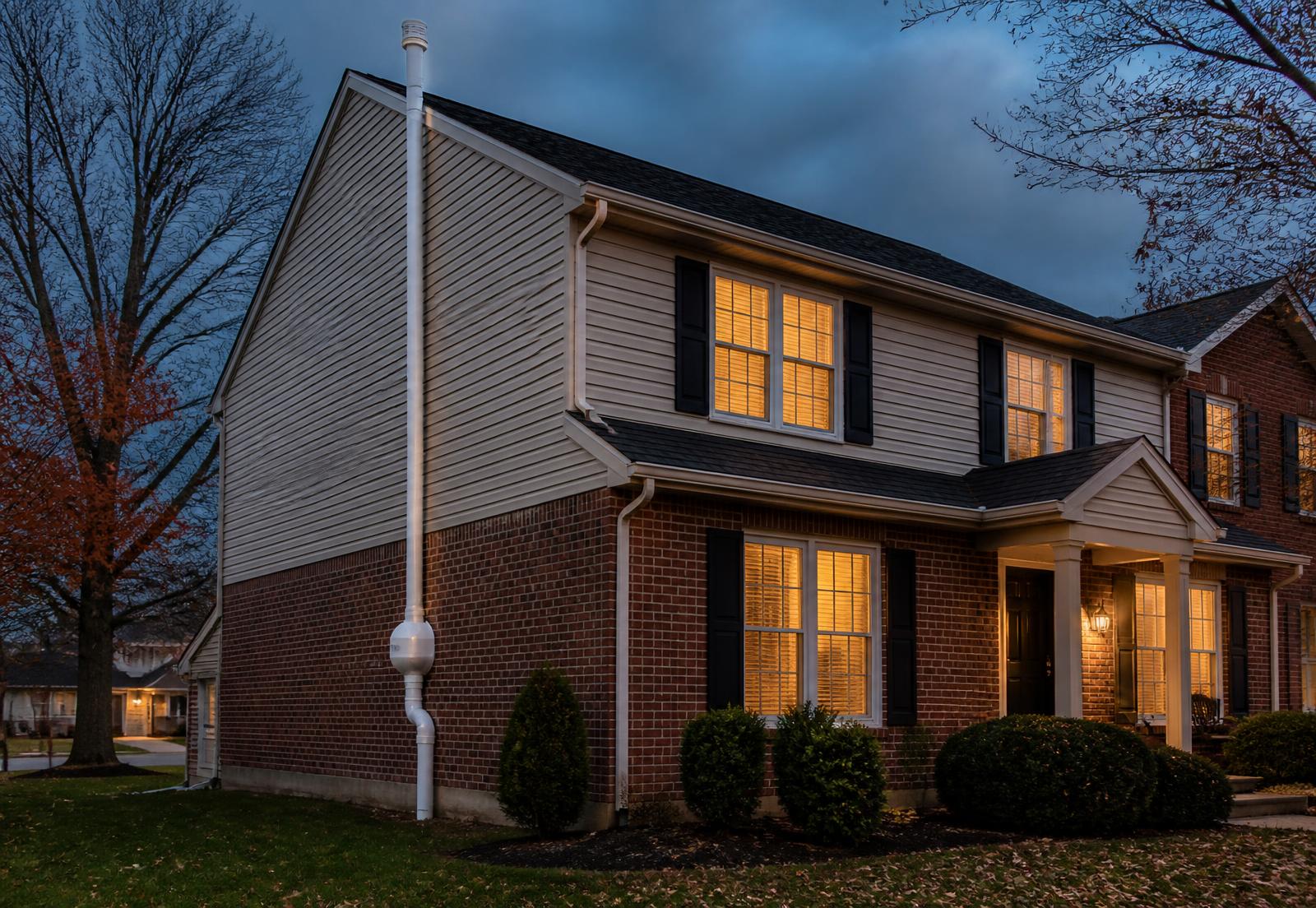
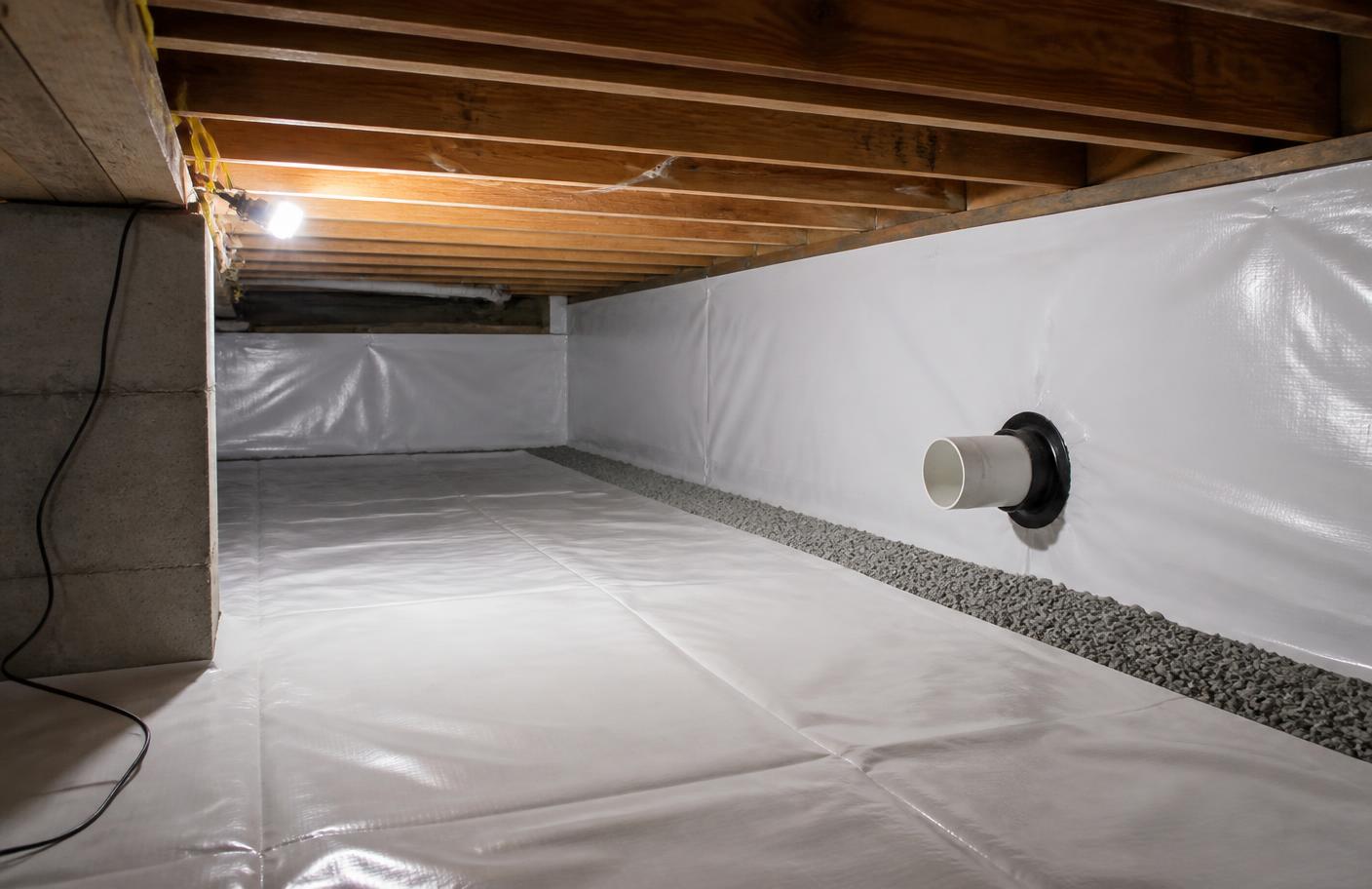
EPA recommends waiting until a home is in normal, stable condition before testing, avoiding periods immediately after major HVAC changes, window replacements, or foundation work that could temporarily alter airflow and soil gas movement. If work was recently completed, it's reasonable to allow the home to settle into typical operating conditions before testing so the result reflects ongoing exposure rather than a temporary anomaly.
Seasonal timing matters too. Since Indiana's heating season tends to produce higher stack-effect-driven readings, a test conducted only in mild spring or fall weather with windows sometimes open may understate winter exposure, which is part of why closed-house conditions are required regardless of season.