The typical installation-day timeline
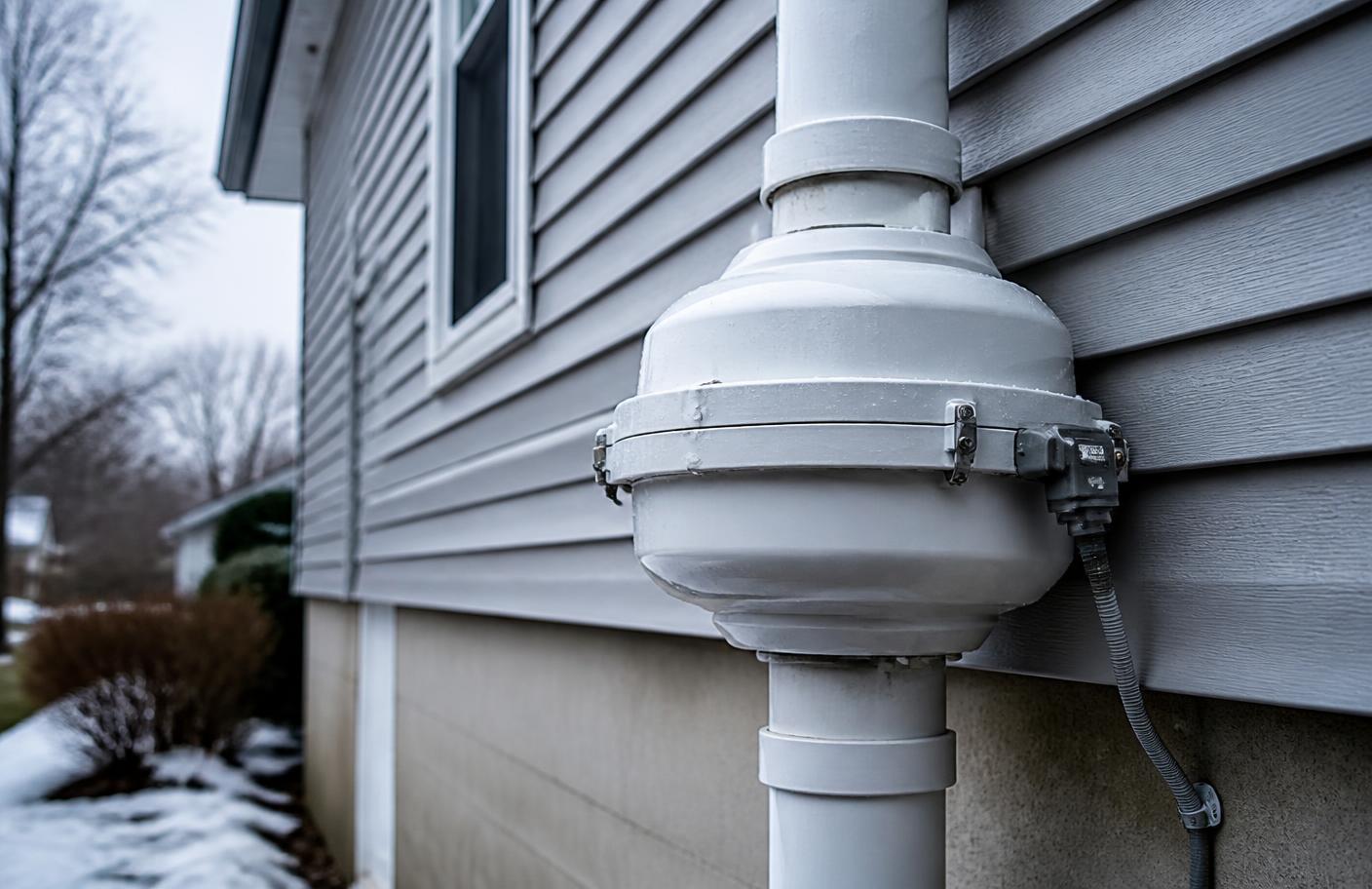
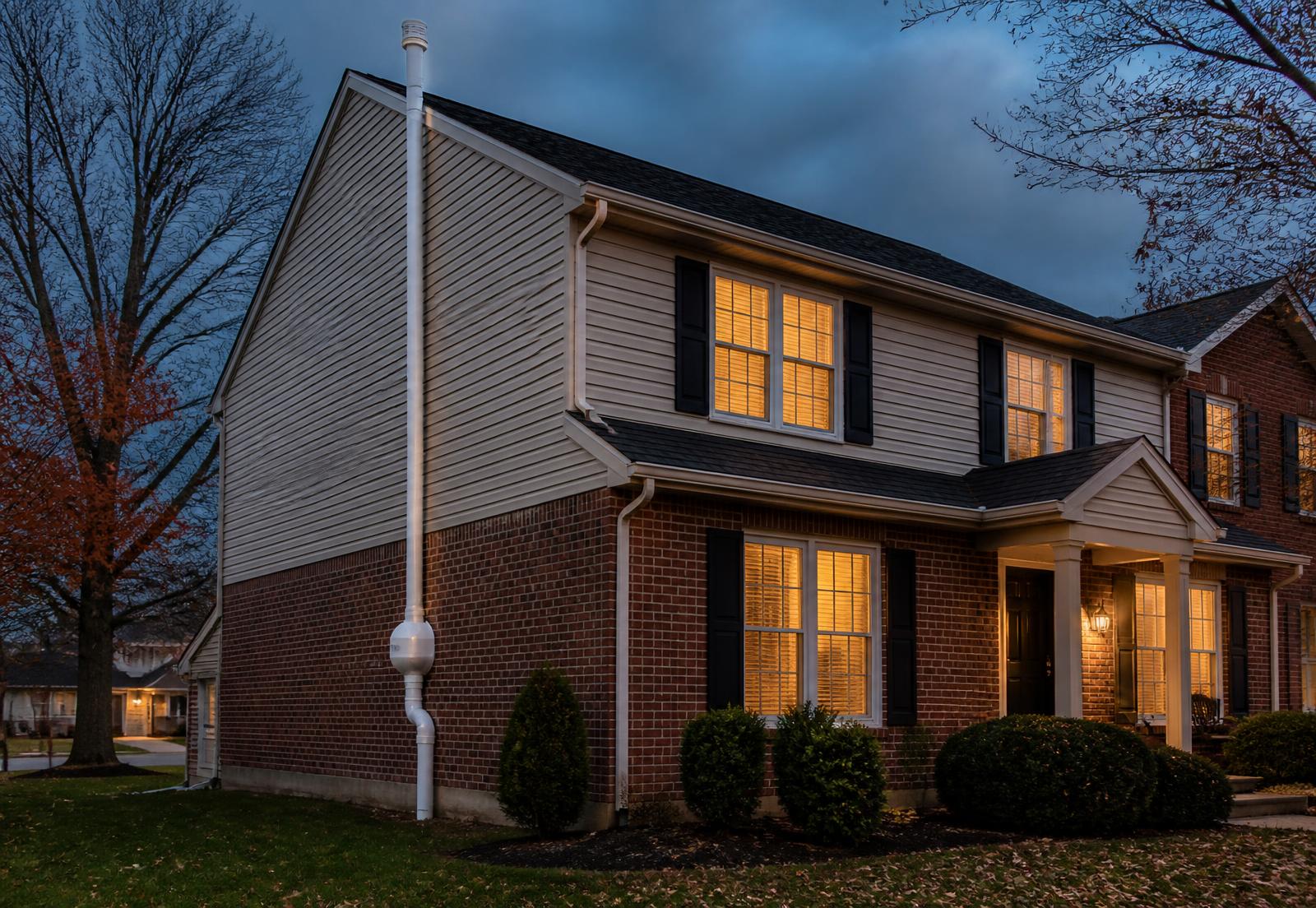
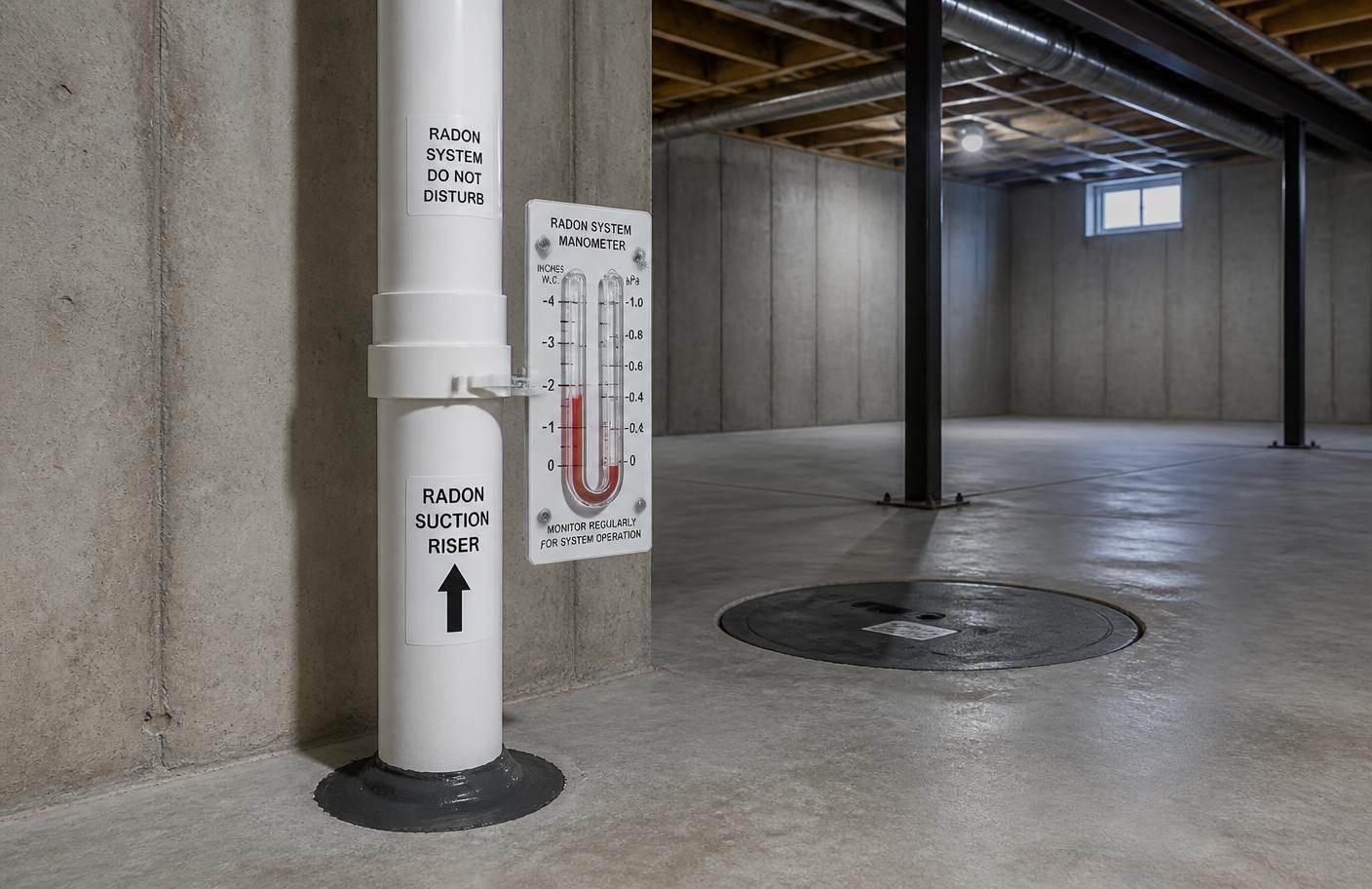
On installation day, a technician evaluates the foundation type, locates the best suction point (often an existing sump pit or a newly cored suction hole in a slab), and runs PVC piping from that point through the structure to an exterior discharge above the roofline. For most single-family homes with a basement or slab-on-grade foundation, this work is completed in roughly four to eight hours.
Homes with more complex layouts, such as multiple foundation types (basement plus crawl space, or a slab addition), larger footprints, or finished basements requiring careful routing to preserve aesthetics, can extend installation to a full day or occasionally require a second visit. Crawl space encapsulation paired with a mitigation system also adds time compared to a straightforward sub-slab system.
Steps before and after the install itself
Before installation, a site evaluation identifies the suction point, communication with the sub-slab or sub-membrane area, and any obstacles like finished ceilings, electrical panels, or landscaping near the planned exhaust route. Scheduling this evaluation and then the installation crew typically adds several days to a week depending on demand and homeowner availability.
After the system is running, EPA recommends conducting a post-mitigation radon test to confirm the system reduced levels adequately, usually starting no sooner than 24 hours after activation and often run for 48 hours. Combined with scheduling, this final verification step typically adds another few days to a week before a homeowner has confirmed final results.
- Site evaluation and suction point identification: same day to a few days out
- Physical installation: typically 4-8 hours for most homes
- System activation and settling period: at least 24 hours before retesting
- Post-mitigation confirmation test: an additional 48 hours plus reporting time
Factors that can extend the schedule
Multiple foundation types under one roofline, such as a home with a basement, an attached garage slab, and a crawl space addition, may require more than one suction point and more extensive piping, adding hours to installation and sometimes requiring a return visit. Access issues, like a finished basement with limited attic chase space for routing pipe to the roof, can also slow the work.
Weather can play a role too. Exterior penetrations for exhaust termination and any exterior electrical work are more easily scheduled in mild weather, though Indianapolis mitigation contractors generally work through the winter heating season since that's when many homeowners discover elevated levels and want systems running before spring.
Why the process shouldn't be rushed
While the physical work is fast, proper suction pit sizing, communication testing across the slab, and correct exhaust termination placement above the eave and away from windows all take a measured, careful approach rather than a rushed one. Skipping these details to save time can lead to inadequate suction, higher retested radon levels, and callback visits that ultimately take longer than doing it right the first time.
Homeowners should expect their contractor to explain the suction point location, piping route, and fan placement before work begins, since a few extra minutes of planning up front typically prevents a redesign or repositioning after installation.