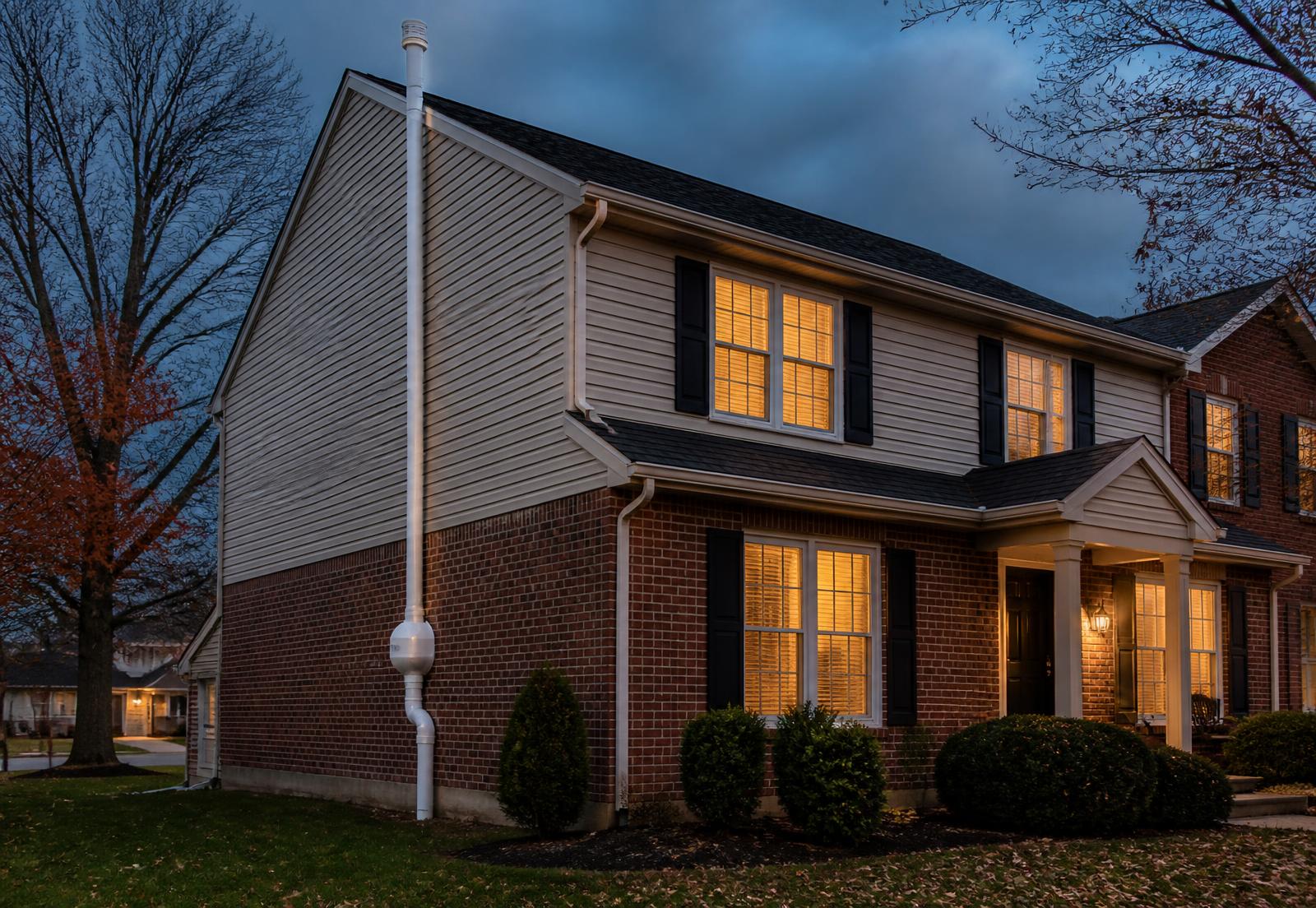
The basic principle behind a radon test
Radon is a colorless, odorless gas produced by the natural breakdown of uranium in soil and rock, and it moves from the ground into buildings through foundation cracks, sump pits, and other openings. A test device does not detect radon by sight or smell; it measures either the number of radioactive decay events occurring in a sample of air or the cumulative exposure over time, depending on the technology used.
Because radon levels fluctuate with weather, barometric pressure, and household activity, a single moment-in-time reading is not useful on its own. Test protocols are designed to average out short-term swings so the number reported reflects a meaningful estimate of typical exposure, whether over 48 hours or 90 days.
Placement and closed-house conditions
For a short-term test to produce a reliable result, EPA protocol calls for closed-house conditions: windows and exterior doors kept shut except for normal entry and exit, starting at least 12 hours before the test begins and continuing through its duration. The device is placed in the lowest level of the home used as living space, at least 20 inches off the floor, away from drafts, exterior walls, and moisture.
In Central Indiana homes, this often means the basement family room or a first-floor space above a crawl space rather than a rarely used mechanical room. Placement away from windows, vents, and doorways prevents outdoor air or HVAC airflow from skewing the result, since diluted samples can understate the radon concentration a household actually experiences day to day.
- Windows and exterior doors closed except for normal entry/exit
- Device placed at least 20 inches above the floor
- Away from drafts, sump pits, exterior doors, and windows
- Left undisturbed for the full test period
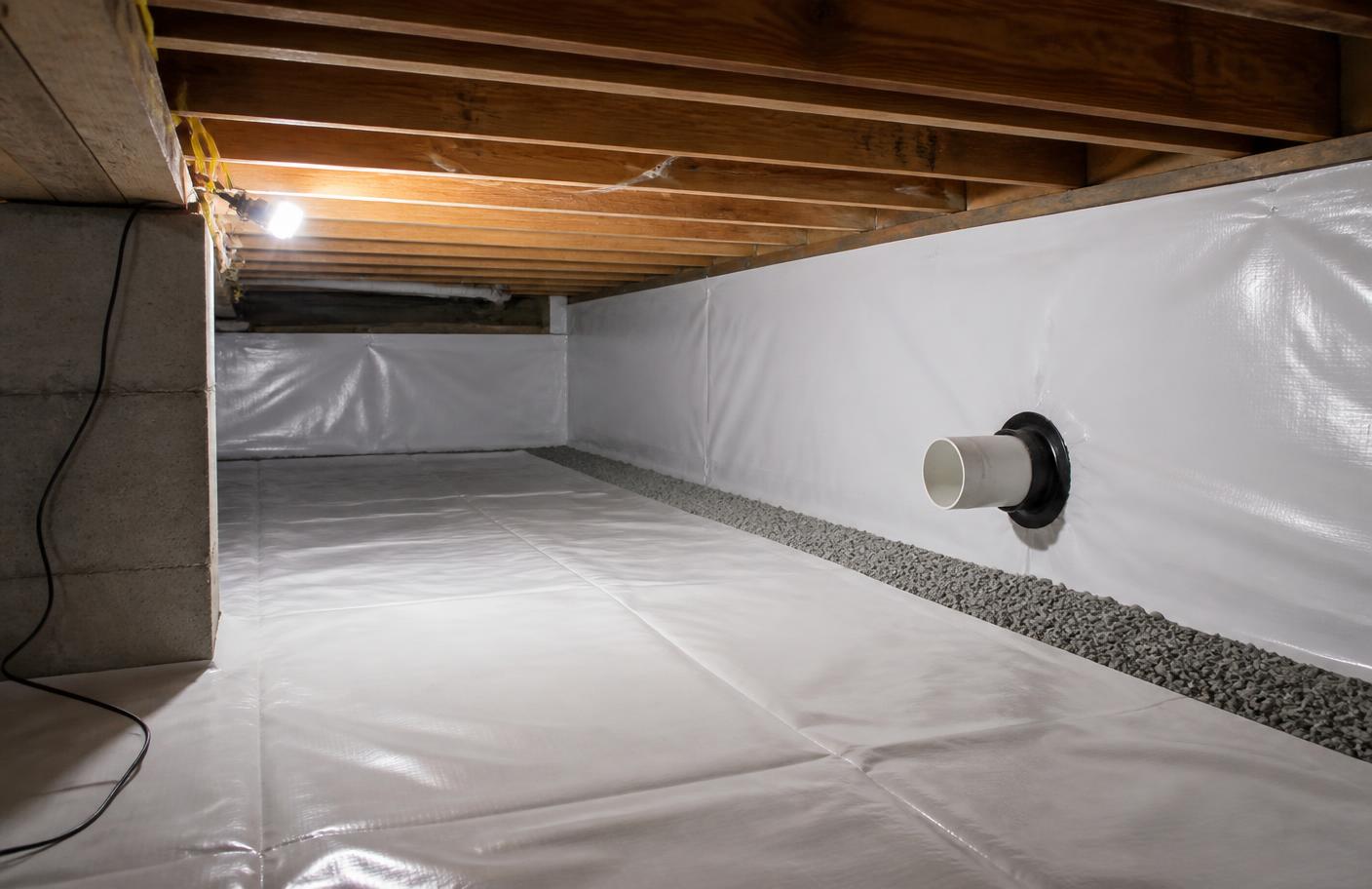
How different device types capture data
Passive devices like charcoal canisters absorb radon and its decay products onto activated carbon, which is then sent to a laboratory where technicians measure the radioactivity trapped in the sample. Alpha-track detectors use a small piece of film that records tiny damage tracks from alpha particles over weeks or months, later etched and counted under magnification.
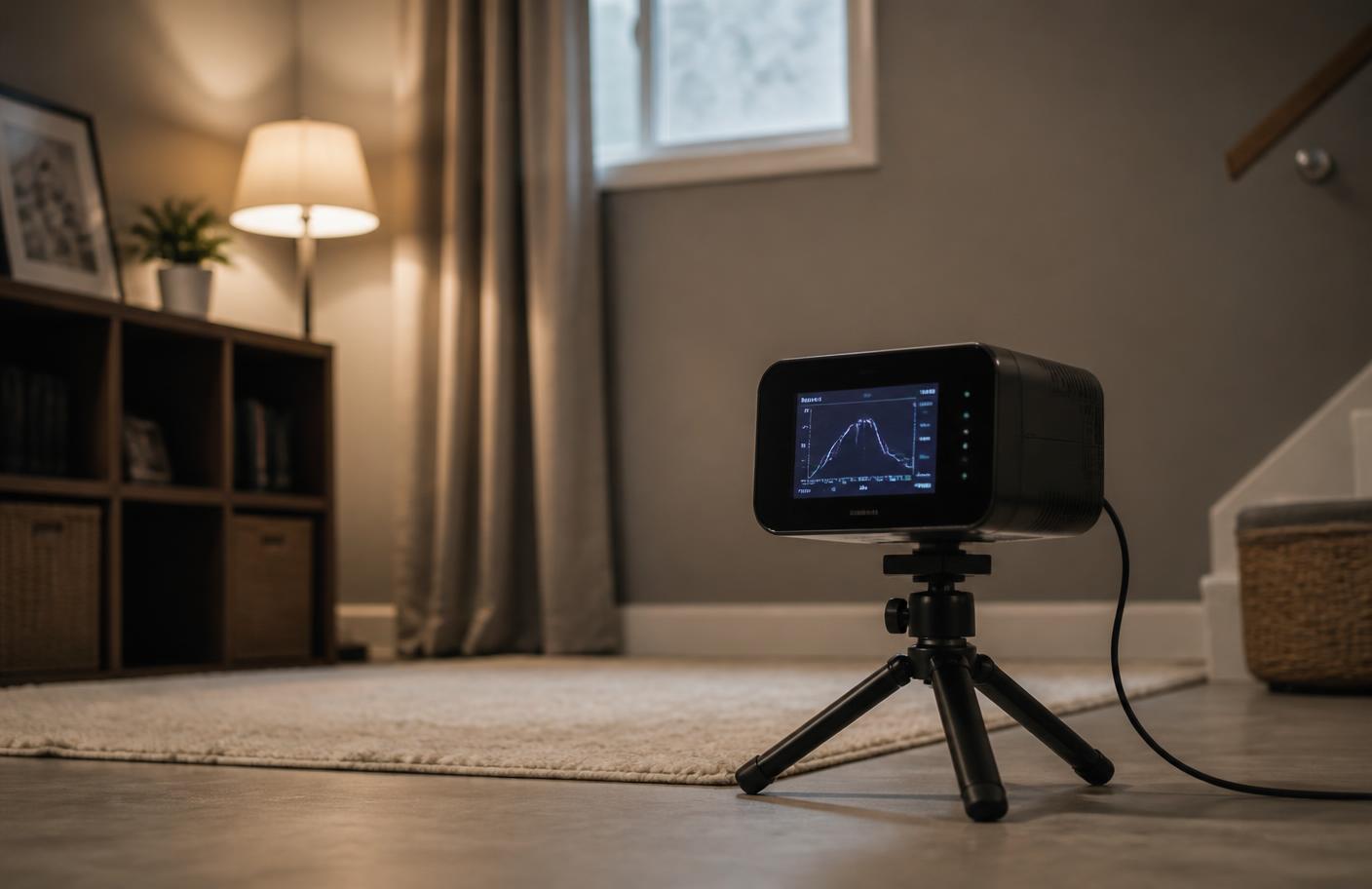
Electret ion chamber detectors use a charged disc that loses charge in proportion to radiation exposure, with the voltage drop measured to calculate concentration. Continuous radon monitors, by contrast, use active sensors to log hourly readings electronically, producing a graph of results rather than a single averaged number, which is especially useful for spotting tampering or unusual swings.
From sample to reported result
Once the test period ends, passive devices are typically sealed and shipped to a laboratory for analysis, while electronic monitors calculate and display results on-site or via a paired app. Results are then compared to the EPA action level of 4.0 pCi/L; EPA states there is no known safe level of radon but recommends considering mitigation for results between 2 and 4 pCi/L and recommends fixing the home at or above 4.0 pCi/L.
A qualified tester should also document conditions during the test, such as weather, HVAC operation, and any interruptions, since these factors help explain unusual readings and support the credibility of the result, particularly in real estate transactions where accuracy is scrutinized closely.
Why professional testing differs from DIY kits
Retail charcoal kits follow the same general science but leave placement, timing, and closed-house discipline entirely to the homeowner, which increases the chance of a skewed result. Professional testing in Indianapolis typically uses continuous monitors with tamper and movement logging, which record if a device was moved, opened, or exposed to airflow changes during the test.
This tamper detection matters most in real estate transactions, where an inaccurate low reading could leave a buyer with an untested radon problem. Our practice is to use continuous monitoring equipment for transaction-related testing so both parties can trust the documented conditions behind the number.