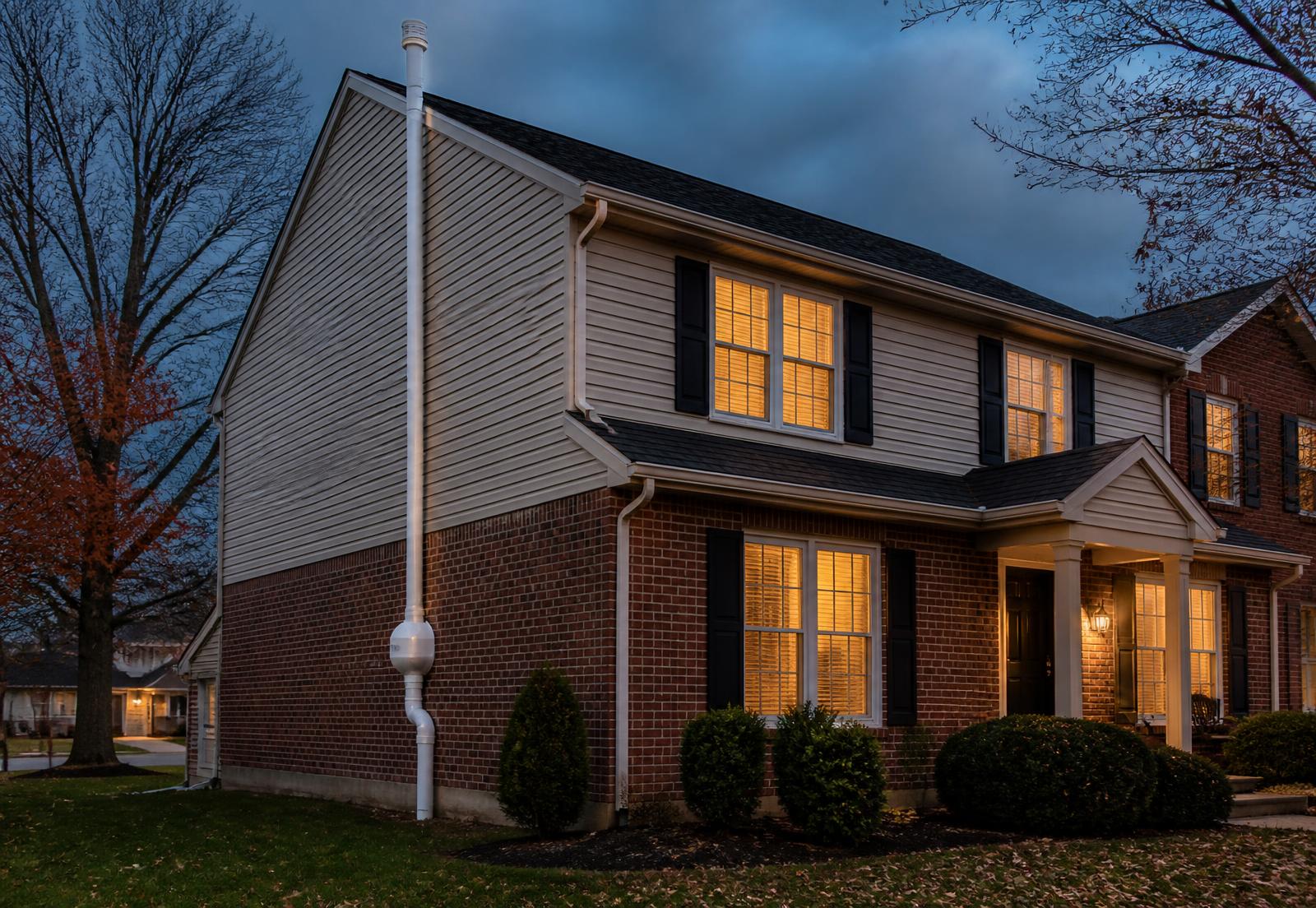
Radon's Role in an Indiana Real Estate Contract
Radon testing is commonly built into Indiana purchase agreements as part of a broader inspection contingency, though there is no statewide law mandating a radon test on every residential sale. Whether testing happens, and who requests it, depends largely on the specific contract terms negotiated between the buyer and seller, which is why understanding your specific contract's inspection and response deadlines matters before scheduling anything.
We work from whatever deadlines your agent or attorney has outlined in the purchase agreement, planning test placement to leave enough time for the standard test duration plus lab turnaround before any contractual response deadline arrives.
Coordinating Between Multiple Parties
A real estate radon test often involves more moving parts than a straightforward homeowner test: a buyer's agent needing access scheduled with a listing agent, a seller who may still be living in the home, and sometimes a lender or title company that needs documentation for their own file. We coordinate directly with whichever parties are involved to schedule access and confirm closed-house conditions can be maintained by whoever occupies the home during the test window.
- Scheduling coordinated with buyer's agent, listing agent, or both
- Documentation formatted for lender or title company requirements
- Closed-house condition confirmation communicated to occupants
- Fast-turnaround options for tight closing timelines
New Construction and Resale Transactions Differ
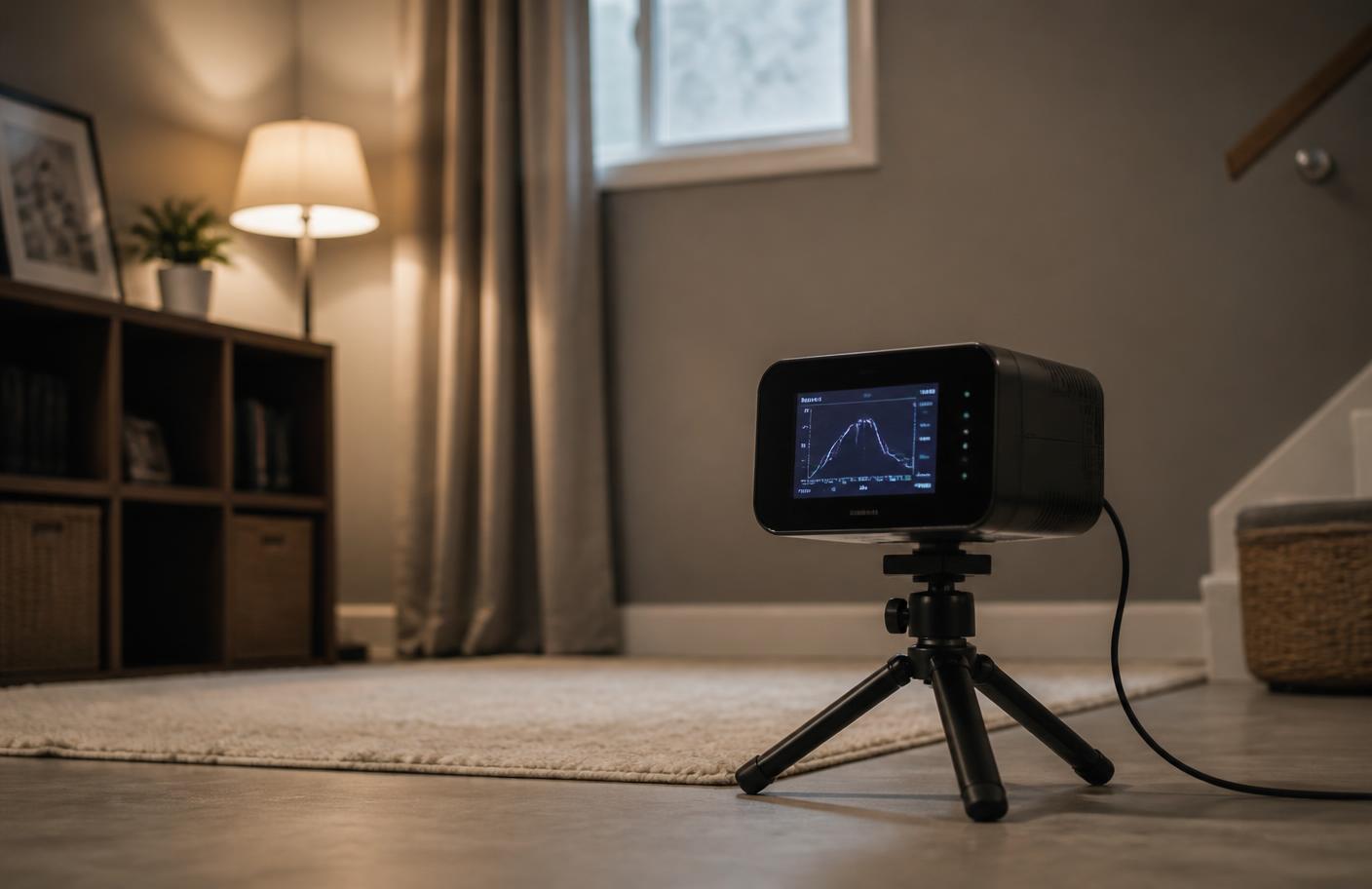
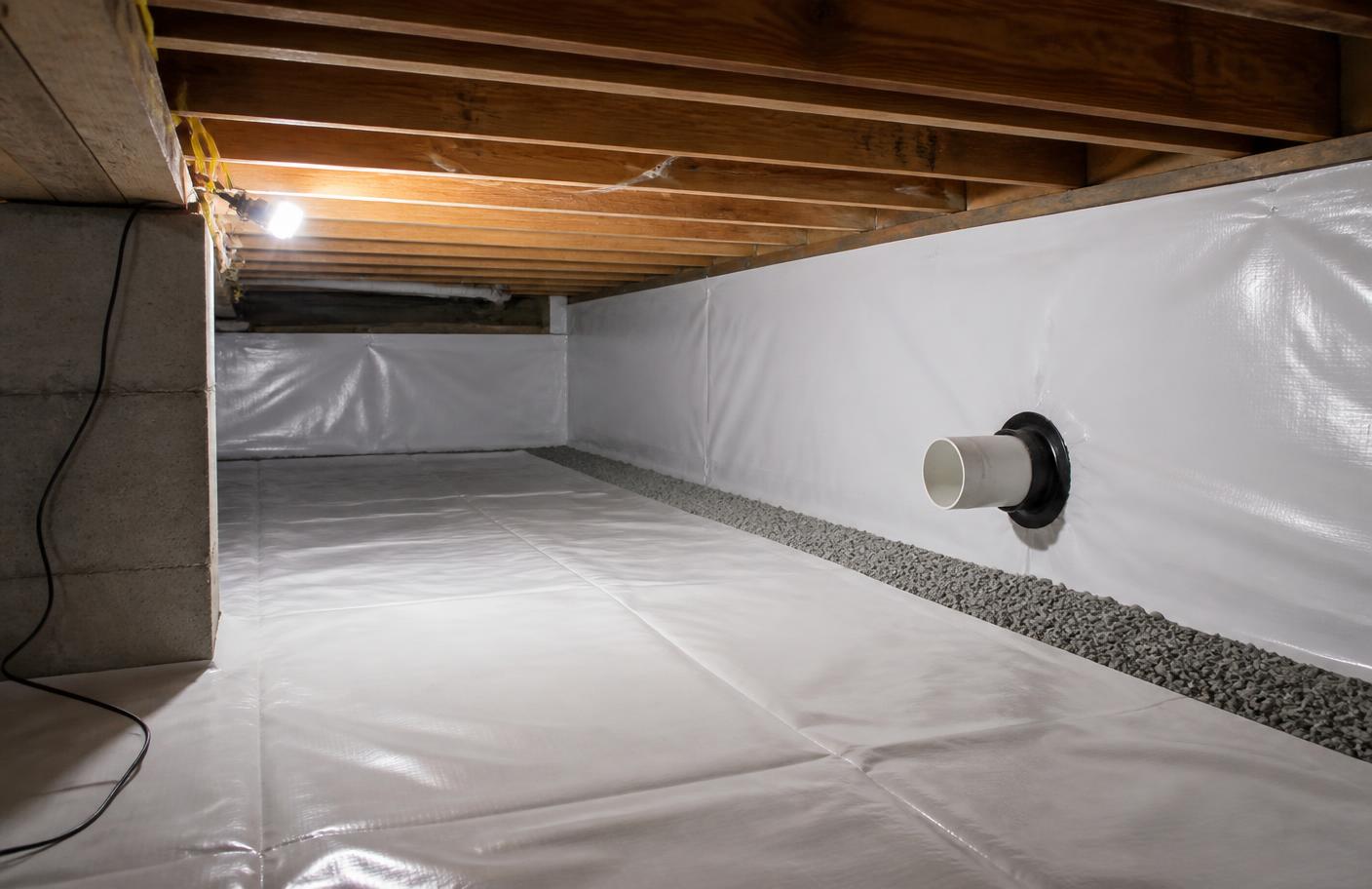
New construction transactions sometimes involve a passive radon-resistant rough-in system installed by the builder, and testing in that context is about confirming whether the passive system alone is adequate or whether the buyer should request the builder activate the fan before closing. Resale transactions more often involve an established home with no existing system, where the test result determines whether mitigation becomes part of the negotiation at all.
When a Mitigation System Is Already Present
If the home already has a mitigation system, a real estate transaction is a natural point to verify its performance with a retest and a basic system inspection, giving the buyer documented confidence in a system they did not personally choose to install and may know little about.
What Happens After Results Come In
A result below 4.0 pCi/L typically closes out radon as a topic for the transaction, though some buyers still ask about it during final walkthrough conversations. A result at or above 4.0 pCi/L usually triggers a negotiation, and we can turn around a mitigation quote quickly so agents on both sides have a concrete number to work with rather than an open-ended unknown affecting the closing timeline.
Working With Agents and Title Companies Across Central Indiana
We regularly work with agents and title companies throughout Marion County and the surrounding Central Indiana market, understanding the general rhythm of local closing timelines and inspection periods. Whether the transaction involves a downtown Indianapolis condo, a suburban Fishers subdivision home, or a rural property on the edge of the metro area, the same coordinated approach applies.