Tight Urban Lots
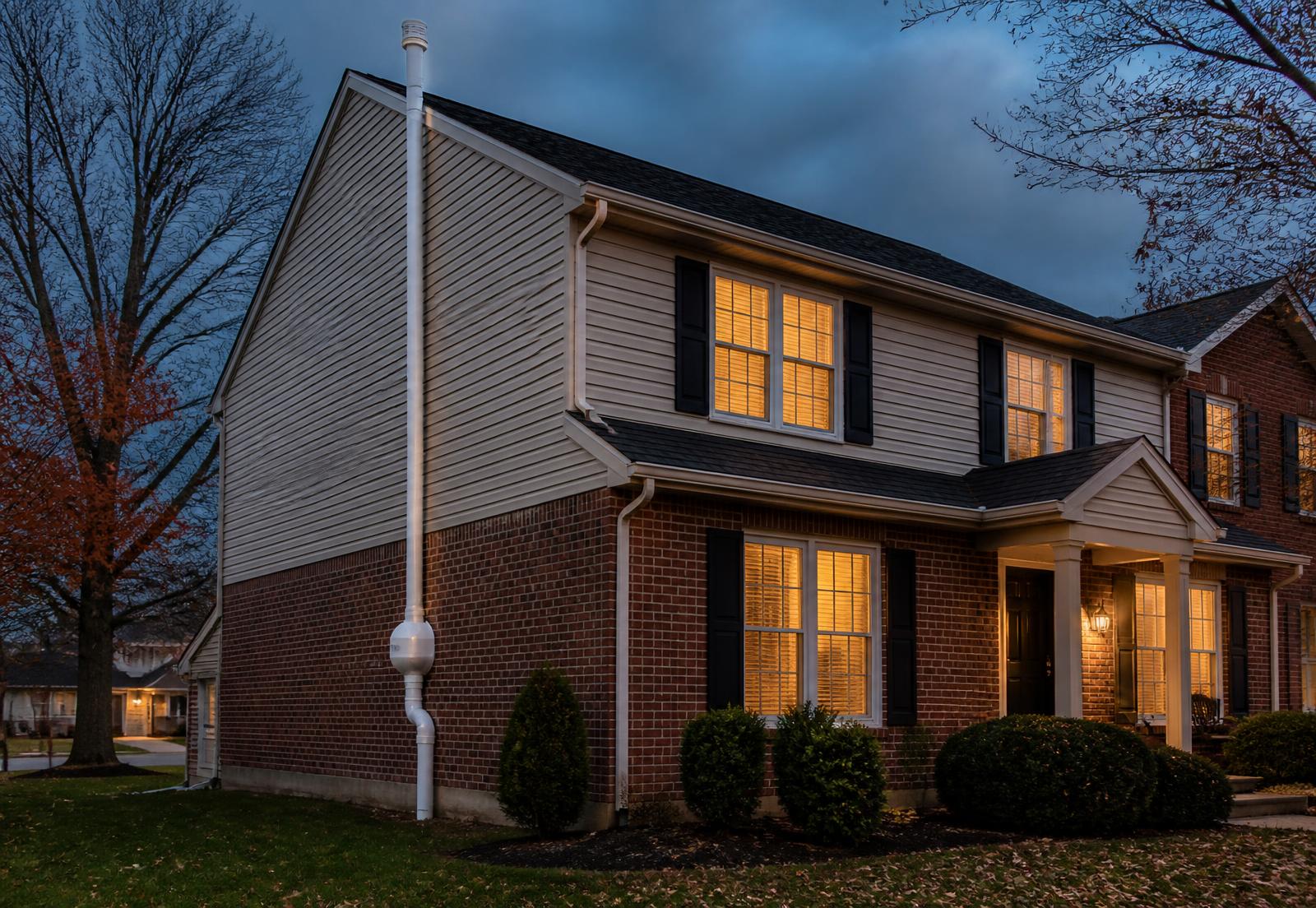
Older Indianapolis neighborhoods like Irvington, Fountain Square and parts of Center Township often have narrower side yards and closer neighboring structures than suburban lots, which limits where exterior piping can run without crowding a property line or a neighbor's window. In these cases, routing pipe through an interior closet or utility chase to a rear or side roofline exhaust often works better than an exterior run along the most visible elevation.
Detached garages and converted outbuildings, common on some of these older lots, occasionally complicate exhaust placement further, requiring a technician to consider setback distances from any structure with windows or air intakes nearby, not just the main house.
Historic Districts and Exterior Appearance
Parts of Indianapolis, including sections of Irvington and other historic districts, carry local historic overlay guidelines that can affect what exterior changes are permissible, including visible piping on a front-facing wall. Homeowners in these areas should confirm with the relevant historic preservation body or their local neighborhood association what, if any, review applies before exterior work begins, since this guide does not represent specific historic district rules.
In practice, most mitigation installers in these areas favor routing pipe through the interior of the home, an attached garage, or a rear elevation specifically to minimize visible impact on street-facing facades, which is achievable in most home layouts with enough planning during the site evaluation.
Finished Basements
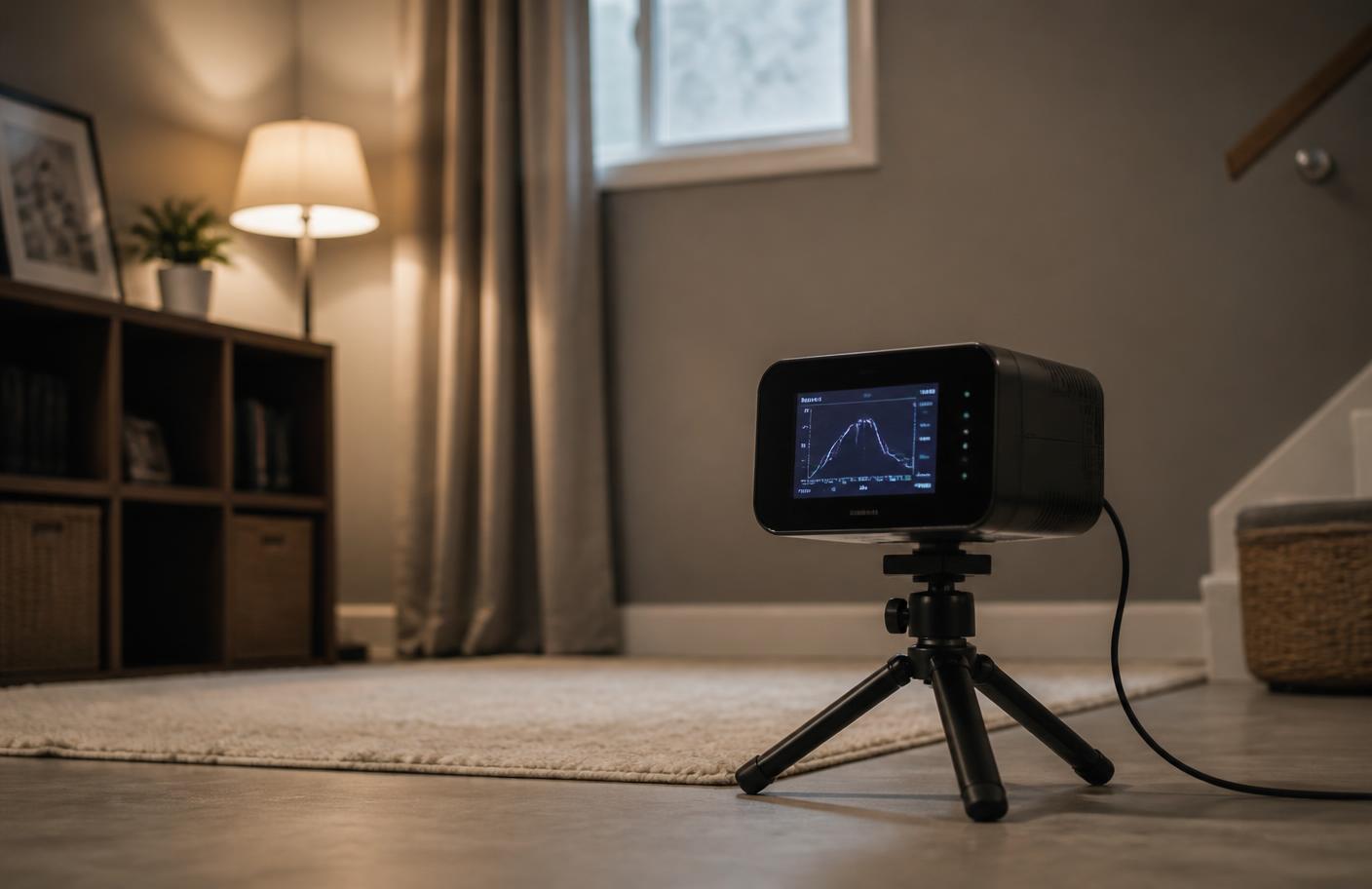
A meaningful share of Indianapolis homes, particularly in Meridian-Kessler, Butler-Tarkington and newer Geist-area construction, have finished basements used as everyday living space. Running mitigation piping through finished walls or ceilings requires either accepting some patch-and-paint work, routing through an unfinished mechanical room or closet, or, where feasible, routing along an exterior wall from outside the finished space entirely.
Discussing these tradeoffs during the site evaluation, before installation day, avoids surprises about where a pipe will actually be visible once the system is complete.
- Interior closet or mechanical room routing minimizes visible pipe in finished spaces
- Exterior routing avoids interior wall penetrations but exposes pipe outdoors
- Rear or side elevation exhaust reduces street-facing visual impact
- Discussing routing options before installation day avoids mid-project surprises
HOA Rules in Newer Subdivisions
Newer subdivisions across the Indianapolis metro, including communities extending into Hamilton, Hendricks and Johnson Counties, often have homeowners association guidelines governing exterior modifications, sometimes including piping visible from the street or shared sightlines between homes. Where an HOA has an architectural review process, homeowners should check whether it applies to mitigation piping and allow time for any required approval before scheduling installation.
In many of these subdivisions, routing exhaust through the garage or a rear wall satisfies both the mitigation design requirements and typical HOA aesthetic preferences, since it keeps piping away from the front elevation most visible from the street.
Alley Access and Utility Considerations
Some older Indianapolis blocks include rear alley access, which can be useful for equipment access during installation, but also means utility lines, overhead wires or shared fencing sometimes run through the area a technician might otherwise use for exterior piping. A site evaluation should account for these obstructions before proposing a specific route.
Coordinating With Other Renovation Work
Homeowners undertaking a basement finishing project, an addition, or exterior renovation at the same time as mitigation should sequence the radon work early, since piping routes are far easier to plan and conceal before drywall, flooring or landscaping are finished than after. Coordinating timing with a general contractor on a larger project avoids the need to reopen finished work later.