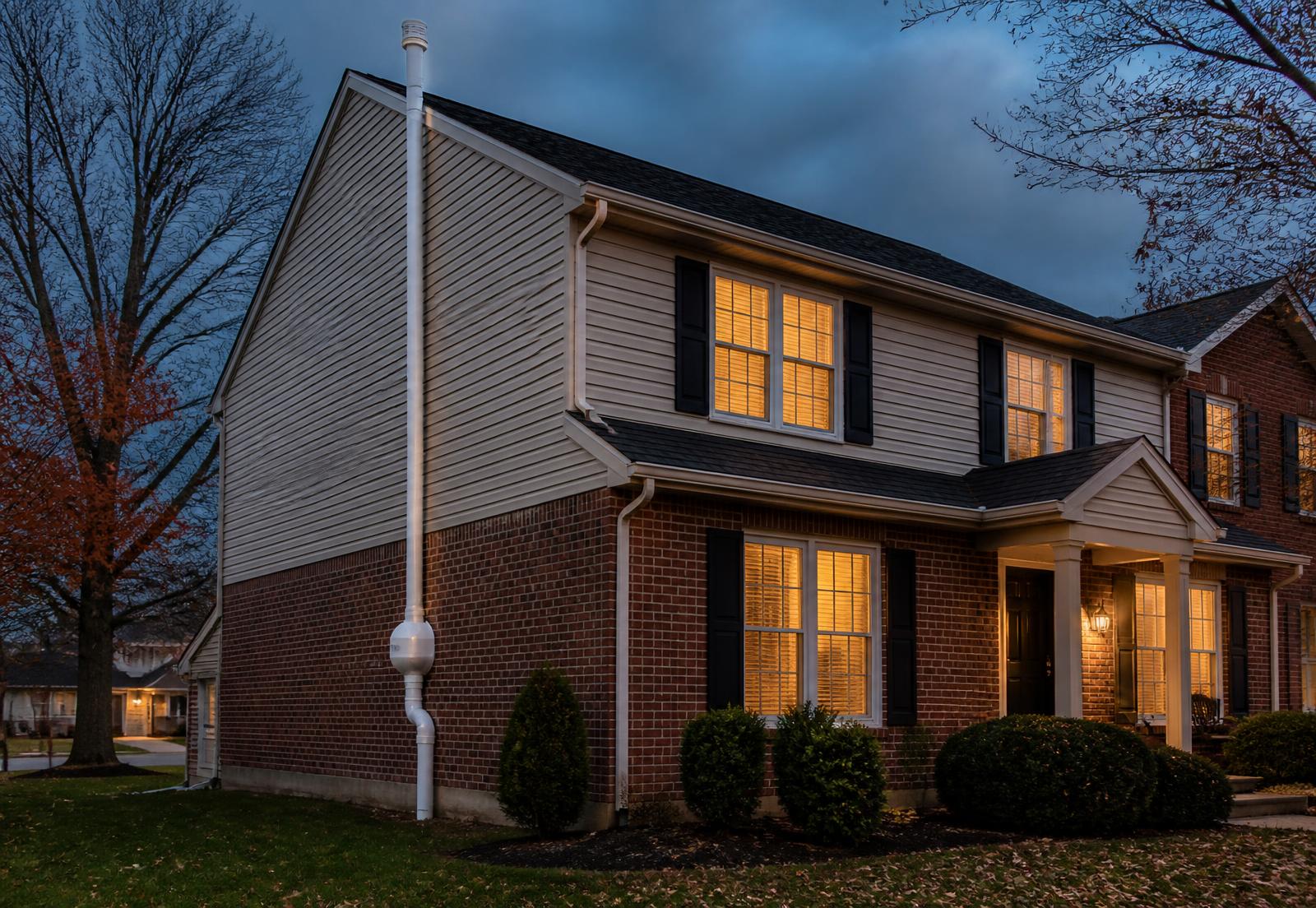
Before You Write an Offer
Buyers can research a property's general area risk using the EPA zone map, which places Marion County and most surrounding Central Indiana counties in Zone 1, but that information describes a county average, not the specific home, and should not substitute for testing that home directly once under contract. It's reasonable to ask a listing agent whether a prior radon test exists for the property, though any existing result should be treated as informational rather than a substitute for the buyer's own test given how much radon levels can vary over time and by season.
If radon testing matters to you, confirm early with your agent whether the purchase agreement template being used includes a radon contingency and what window it allows, since this affects how quickly you'll need to schedule testing once under contract.
During the Inspection Period
Once under contract, scheduling a professional short-term test promptly gives the most cushion within a typical inspection period, since the test itself requires a minimum 48-hour closed-house window plus setup and pickup time. Coordinating this alongside a general home inspection is common practice, and many buyers have both done in the same visit window.
If the home is occupied, confirm the sellers understand closed-house requirements, since a test compromised by open windows or an unusual HVAC setting may need to be redone, costing time within the contingency window.
- Confirm your purchase agreement's radon contingency window with your agent
- Schedule testing early in the inspection period to allow time for confirmation testing if needed
- Coordinate with sellers on closed-house requirements if the home is occupied
- Treat any prior test result as informational, not a substitute for your own
Interpreting and Negotiating a Result
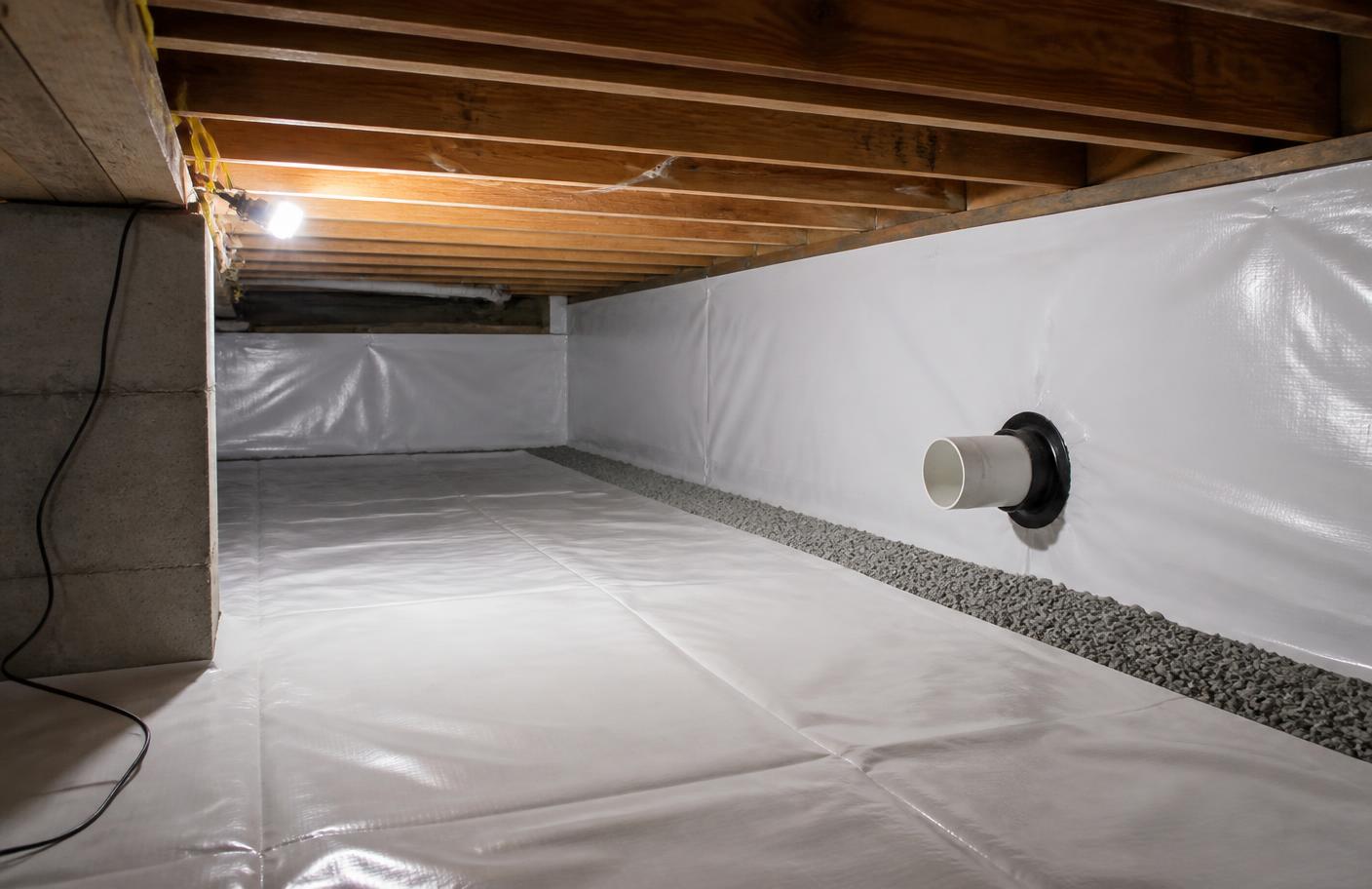
A result at or above 4.0 pCi/L is generally treated as clear grounds to request mitigation as part of negotiations, while results in the 2 to 4 pCi/L range are more of a judgment call, discussed in depth on the Indiana Radon Levels Guide. How this gets negotiated, whether the seller installs mitigation, credits the buyer, or the sale proceeds without action, is a matter for the purchase agreement and your agent or attorney rather than something this guide can dictate.
It's common, though not universal, for Indiana purchase agreements to specify that the seller bears responsibility for mitigation if results exceed the action level; confirm how your specific contract handles this rather than assuming a default.
If Mitigation Is Needed Before Closing
Mitigation installation typically takes about a day for a straightforward system, though scheduling around a closing date requires coordination, particularly if the home needs multiple suction points or has a finished basement. Buyers should confirm who is scheduling and paying for the work, and consider requesting a post-mitigation test result before closing to verify the system brought levels below the action threshold rather than simply taking installation as sufficient proof.
New Construction Purchases
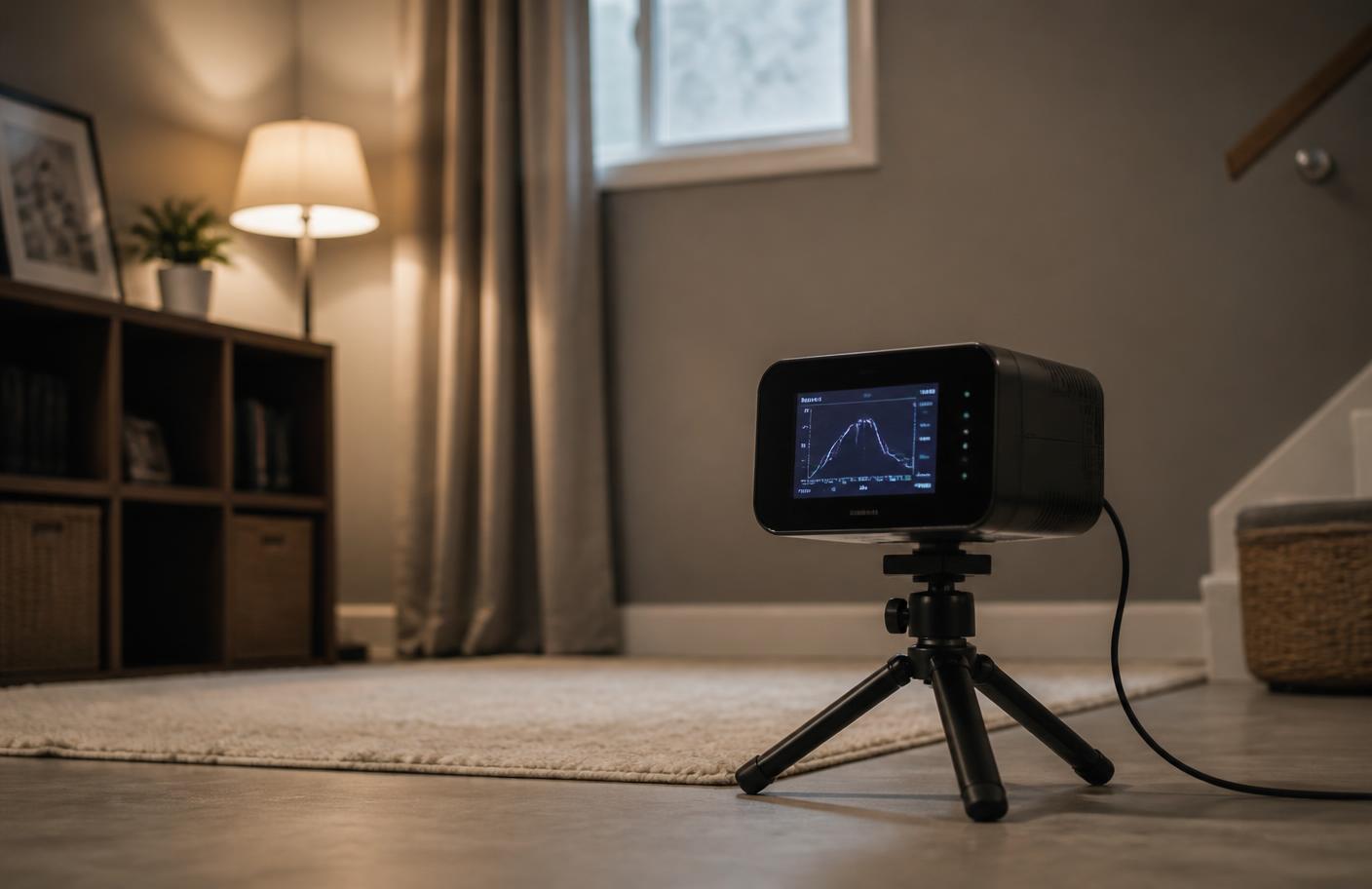
Buyers purchasing new construction in Hamilton, Hendricks or other Central Indiana counties should ask whether the builder installed passive radon-resistant construction features, such as rough-in piping, and whether a radon test has been conducted since the home was completed and its systems balanced. New construction is not automatically low in radon simply because it's new; the Radon in New Homes and Radon Testing New Construction guides cover this in more detail.
After You Move In
Even if a pre-purchase test came back low, it's worth retesting periodically after moving in, since radon levels can change over time due to settling, renovations, or changes in how you operate the HVAC system. If you inherited a home with an existing mitigation system, confirm it's still functioning by checking its manometer and consider a system inspection if you can't verify its history.