Deciding What a High Result Means for Your Purchase
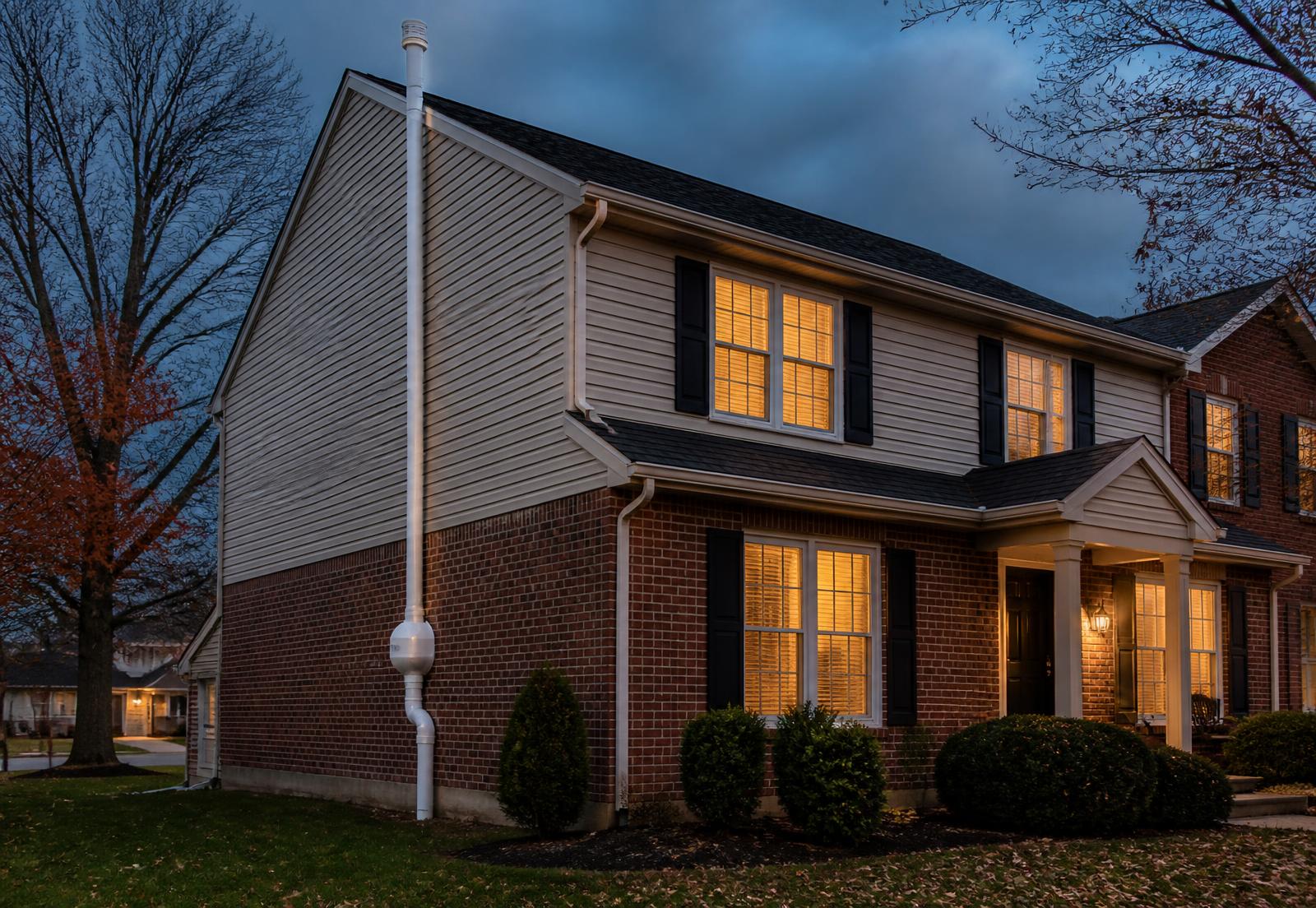
A result at or above the EPA action level of 4.0 pCi/L does not necessarily mean you should walk away from a home purchase, since radon is a solvable condition with an established mitigation process. Most buyers instead treat a high radon result the way they would treat other inspection findings, such as a needed roof repair, by weighing the cost and timeline of the fix against their overall interest in the property.
It is worth remembering EPA's broader guidance that there is no fully safe radon level and that action should be considered even between 2 and 4 pCi/L, which means a result just under the action level is not necessarily something to ignore even if it does not trigger contractual negotiation rights.
Negotiation Options Buyers Typically Consider
When a radon test during the inspection period comes back high, buyers generally have a few negotiation paths available, depending on the purchase agreement's inspection contingency language.
- Requesting the seller complete mitigation before closing
- Requesting a credit at closing to cover mitigation after purchase
- Negotiating a price reduction reflecting the estimated mitigation cost
- Proceeding without any adjustment if the buyer views the cost as minor relative to the deal
- In rare cases, exercising a contingency to exit the contract if terms cannot be agreed upon
Timing Mitigation Around Closing
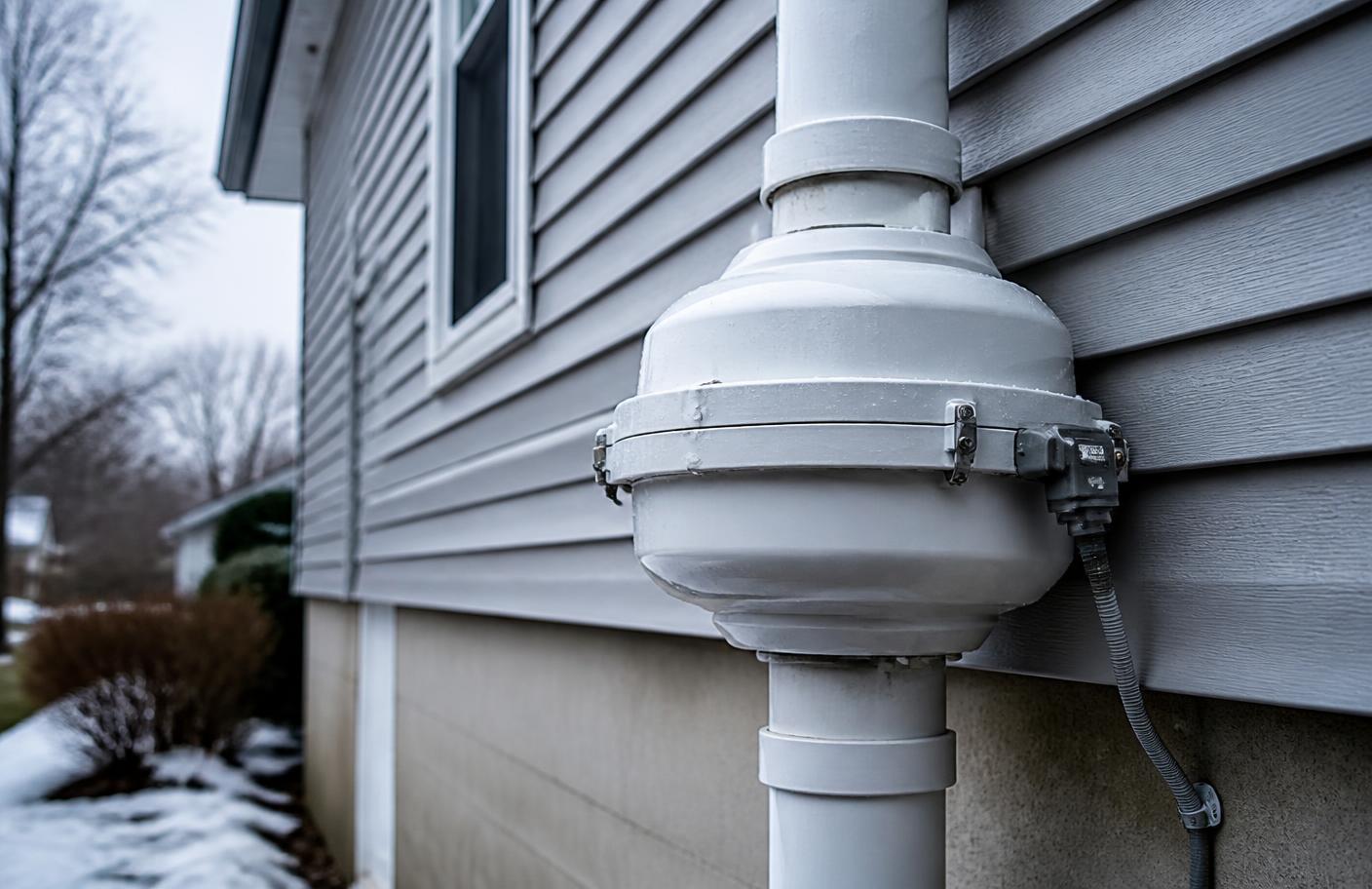
If a seller agrees to complete mitigation before closing, the timeline needs to account for both scheduling a contractor and completing post-mitigation testing to confirm the fix worked, which together can take one to two weeks depending on contractor availability and testing duration. Buyers with a tight closing date sometimes prefer a closing credit instead, allowing them to schedule mitigation on their own timeline immediately after taking possession rather than risking closing delays.
A credit arrangement also gives the buyer control over selecting their own mitigation contractor and system design, rather than relying on a system chosen and paid for by the seller under time pressure, which some buyers view as an advantage even when it means the work happens after move-in.
What a Typical Mitigation Cost Estimate Looks Like
For negotiation purposes, buyers often want a general sense of cost before finalizing terms. Residential radon mitigation in the Indianapolis area commonly falls roughly in the $800 to $2,500 range depending on foundation type and the number of suction points required, though complex homes with multiple foundation types can run higher. Only a site evaluation can determine an actual price for a specific home, so any number used in negotiation should be treated as a general planning range rather than a guarantee.
Special Considerations for New Construction Purchases
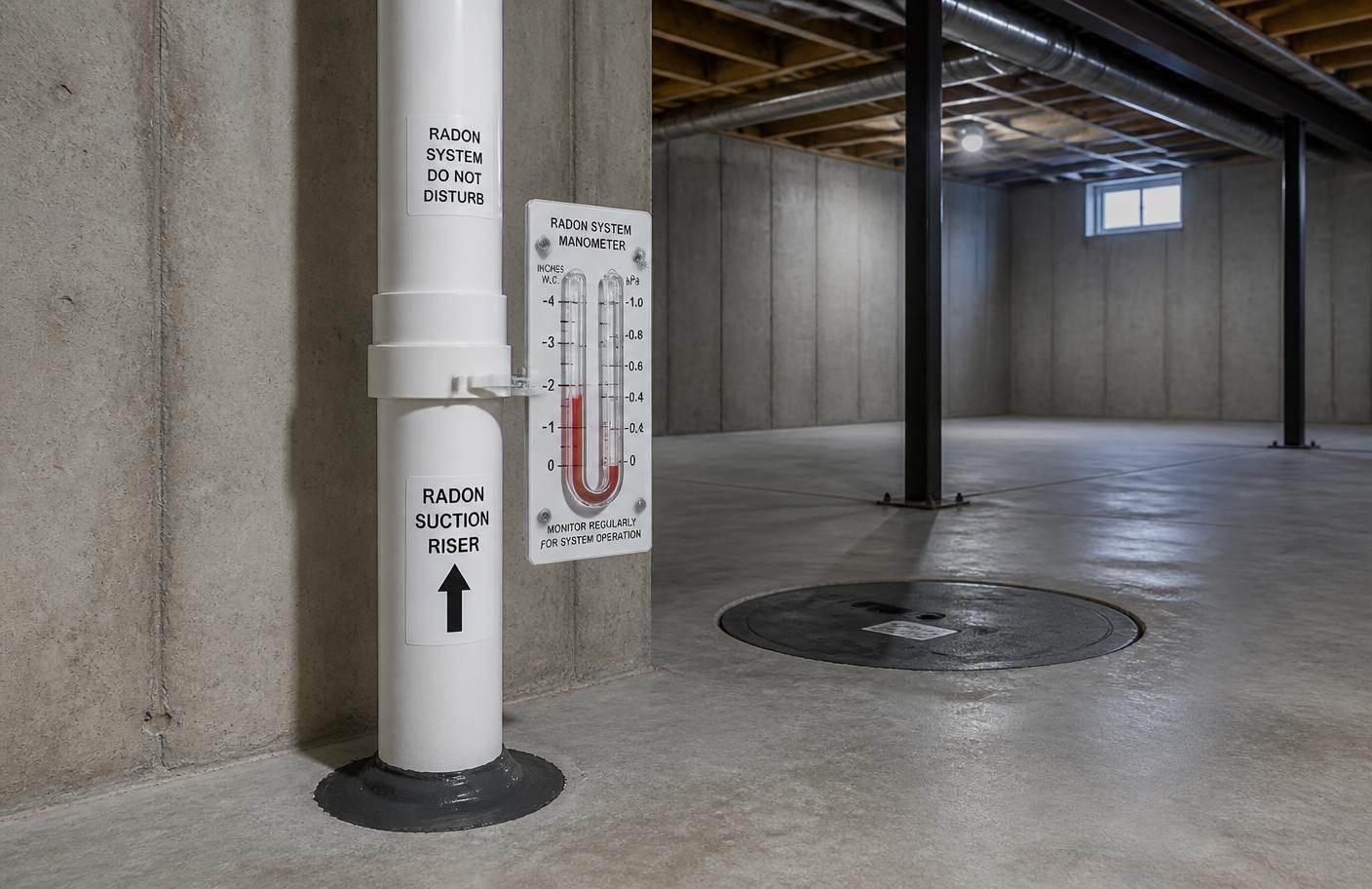
Buyers purchasing new construction should ask whether the home includes passive radon-resistant features and, if so, still plan to test after move-in, since passive systems do not guarantee results below the action level. If a new home tests high, activating the existing passive system with an inline fan is typically a more straightforward project than mitigating a home with no existing rough-in.