Soil and Geology Under Central Indiana Homes
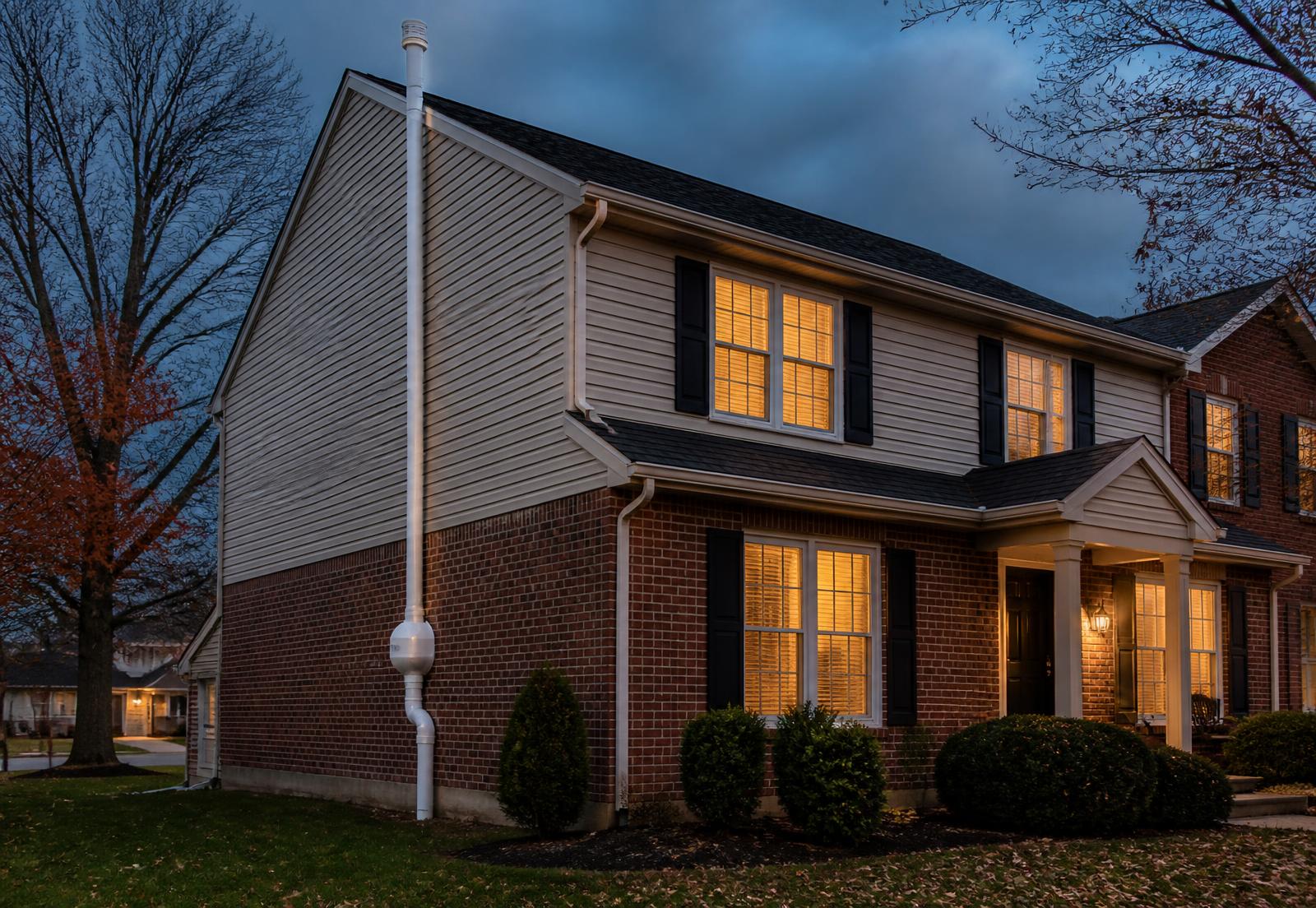
The amount of uranium naturally present in soil and the permeability of that soil are the two biggest geologic factors influencing radon potential. Central Indiana sits on glacial till, a mix of clay, sand, gravel, and rock left behind by retreating glaciers, which can vary significantly in permeability even within the same neighborhood.
This variability is part of why two homes on the same street can have noticeably different radon readings. A pocket of more permeable soil, a gravel layer beneath a slab, or a poorly compacted backfill area around a foundation can all create easier pathways for soil gas to travel toward and into a house.
Foundation Type and Construction Details
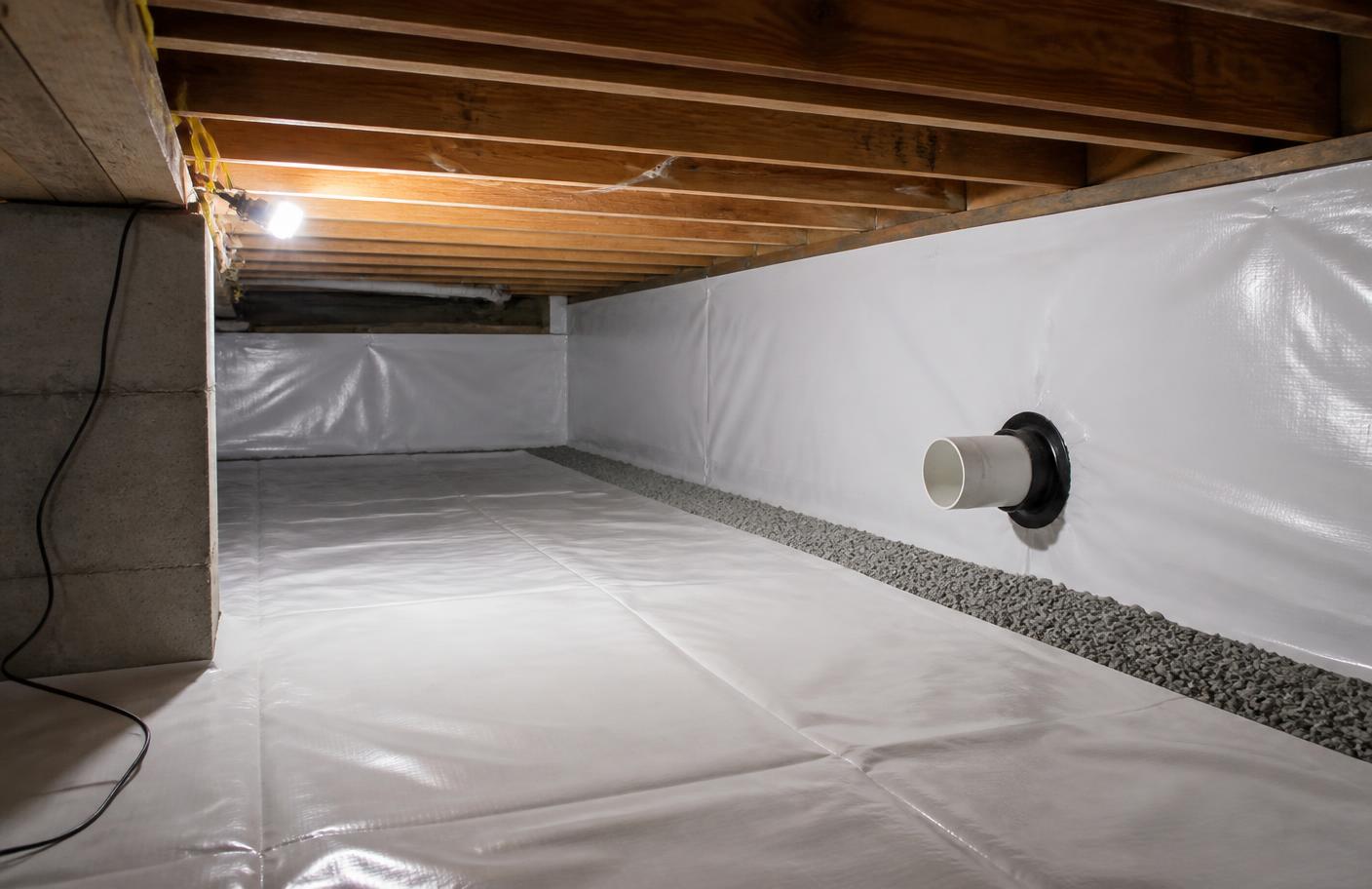
Foundation design has a major influence on radon entry. Full basements and crawl spaces put more of the structure in direct contact with soil compared to slab-on-grade construction, and each type has its own common entry points that a mitigation contractor evaluates during a site visit.
Older block and stone foundations found in neighborhoods like Meridian-Kessler and Irvington often have hollow masonry block walls that can act as a conduit for soil gas, drawing it up through the cores of the block and out at the top course. Cracks in aging mortar joints and settling-related foundation cracks add further pathways.
- Hollow block foundation walls acting as gas conduits
- Cracked or unsealed basement floor slabs
- Uncovered sump pits open to the soil below
- Dirt-floor or partially covered crawl spaces
- Gaps around plumbing, electrical, and drain tile penetrations
The Role of Pressure Differences and the Stack Effect
Radon does not simply seep upward on its own; it is often pulled indoors by pressure differences. Warm indoor air rises and escapes through upper levels of a home, and this creates a slight negative pressure in the lower levels that draws in replacement air, including soil gas, from the path of least resistance.
This stack effect is more pronounced during Indiana's heating season, when furnaces run frequently and indoor-outdoor temperature differences are greatest. Homes with the furnace and ductwork located in the basement can further intensify these pressure differences right where the highest concentration of radon-bearing soil gas is present.
Home Features That Can Worsen Radon Levels
Certain mechanical and structural features can inadvertently increase indoor radon by strengthening the pressure difference between soil and living space. Exhaust fans, clothes dryers, and combustion appliances that pull air out of the home all require replacement air from somewhere, and a leaky foundation is often the easiest source.
- Bath and kitchen exhaust fans depressurizing the home
- Fireplace and wood stove operation drawing air from below
- Attached garages with shared wall penetrations
- Unsealed sump pits and open drain tile systems
Why Neighboring Homes Can Have Different Readings
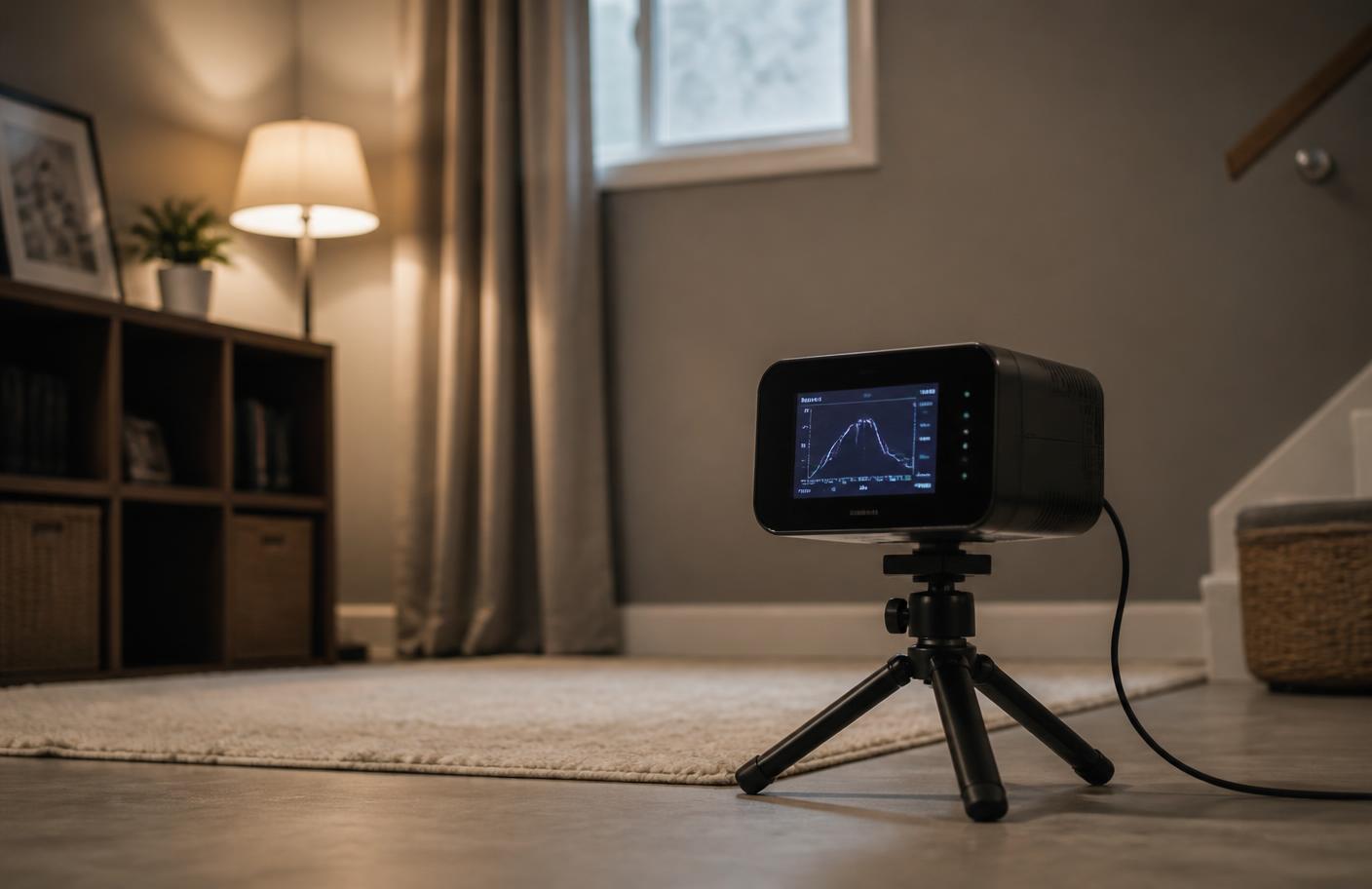
It is common for two similar homes on the same block to produce different radon test results, which surprises many Indianapolis homeowners. This happens because radon entry depends on the specific combination of soil permeability directly under that lot, the exact condition of that home's foundation, and how that particular house is operated, heated, and ventilated.
A home with a well-sealed slab but an old, cracked sump pit lid may test higher than a neighbor with more foundation cracks but a tightly sealed sump system, simply because the sump pit provided a larger, more direct opening. This is why a site-specific evaluation, rather than relying on a neighbor's past results, is the only reliable approach.