The manometer is your first diagnostic tool
Most radon systems include a U-tube manometer mounted on the piping, which shows suction as a difference in liquid height between the two columns. When a system is installed, the technician records the baseline reading; if that differential visibly drops or the two columns level out completely, it usually means suction has weakened or stopped entirely, whether from a fan failure, a major leak, or a blocked suction point.
Checking the manometer periodically takes only a few seconds and is the single easiest way for a homeowner to self-monitor system health between professional visits. A manometer that looks normal doesn't guarantee radon levels are low, but one that's clearly changed from its baseline is a reliable early warning sign worth acting on.
Fan not running or a tripped circuit
If you can't hear or feel the fan running, and the manometer confirms no suction, the fan motor itself may have failed, which is the most common outcome of long-term bearing wear. Before assuming the worst, check whether the fan is simply unplugged, whether a GFCI outlet has tripped, or whether a dedicated breaker has flipped, since these simpler causes are easy to rule out first.
A breaker that trips repeatedly after being reset, rather than just once, usually points to a genuine electrical fault in the fan motor rather than a coincidental power blip, and should be treated as a sign the fan needs professional evaluation rather than repeated resetting.
- Manometer reading flat or significantly changed from baseline
- No audible or tactile fan operation at the exterior unit
- Breaker or GFCI outlet that trips repeatedly after resetting
- A retest showing radon levels above the action level despite an active system
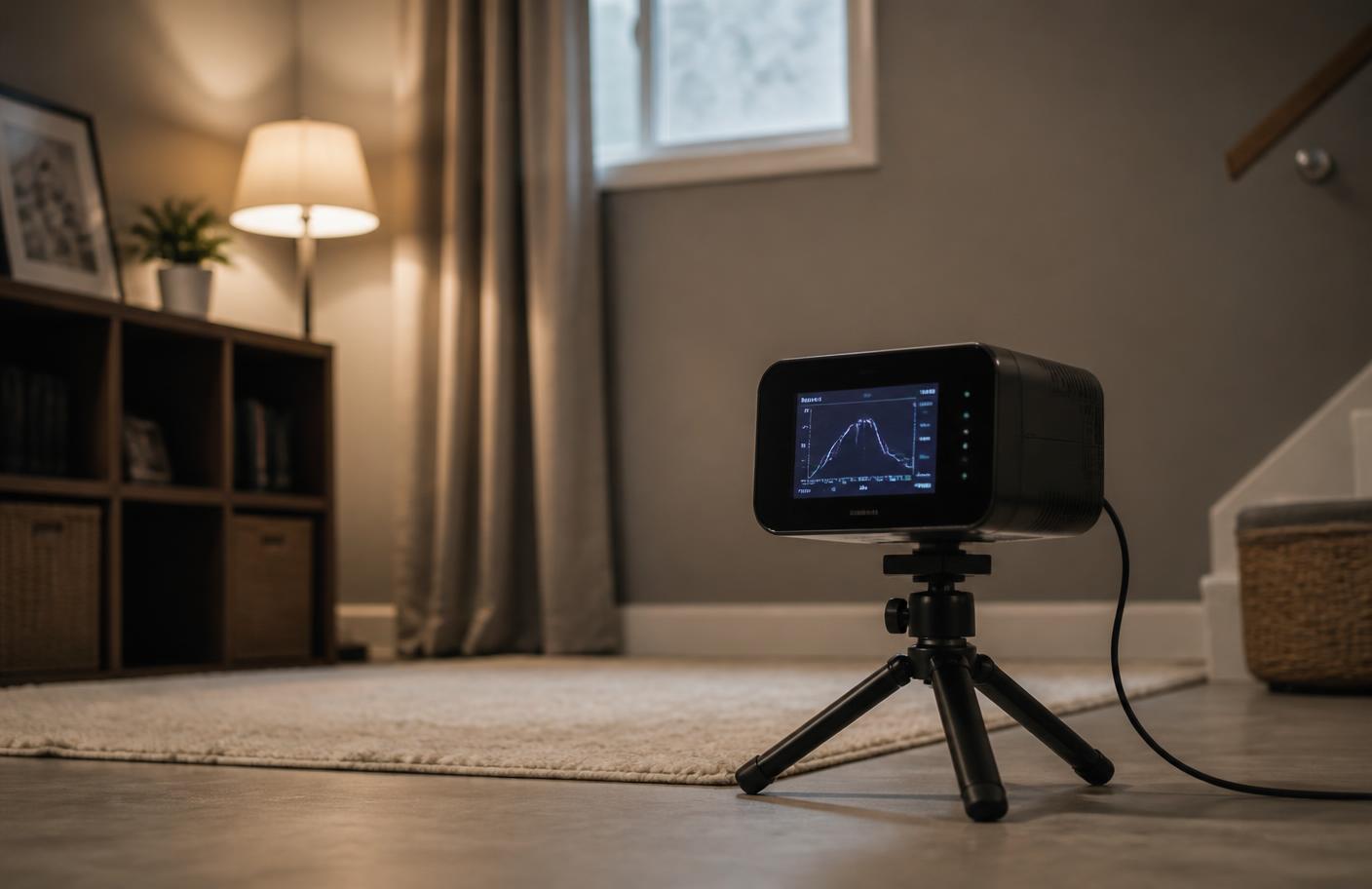
When a retest shows radon levels have crept up
Sometimes the fan is clearly running and the manometer looks reasonable, yet a retest still shows higher radon levels than expected. This scenario often points to a partial issue rather than total failure: a sealing gap that developed at the sump lid or suction point, a secondary radon entry point that opened up after foundation settling, or a fan that's technically running but has lost some of its rated static pressure due to internal wear.
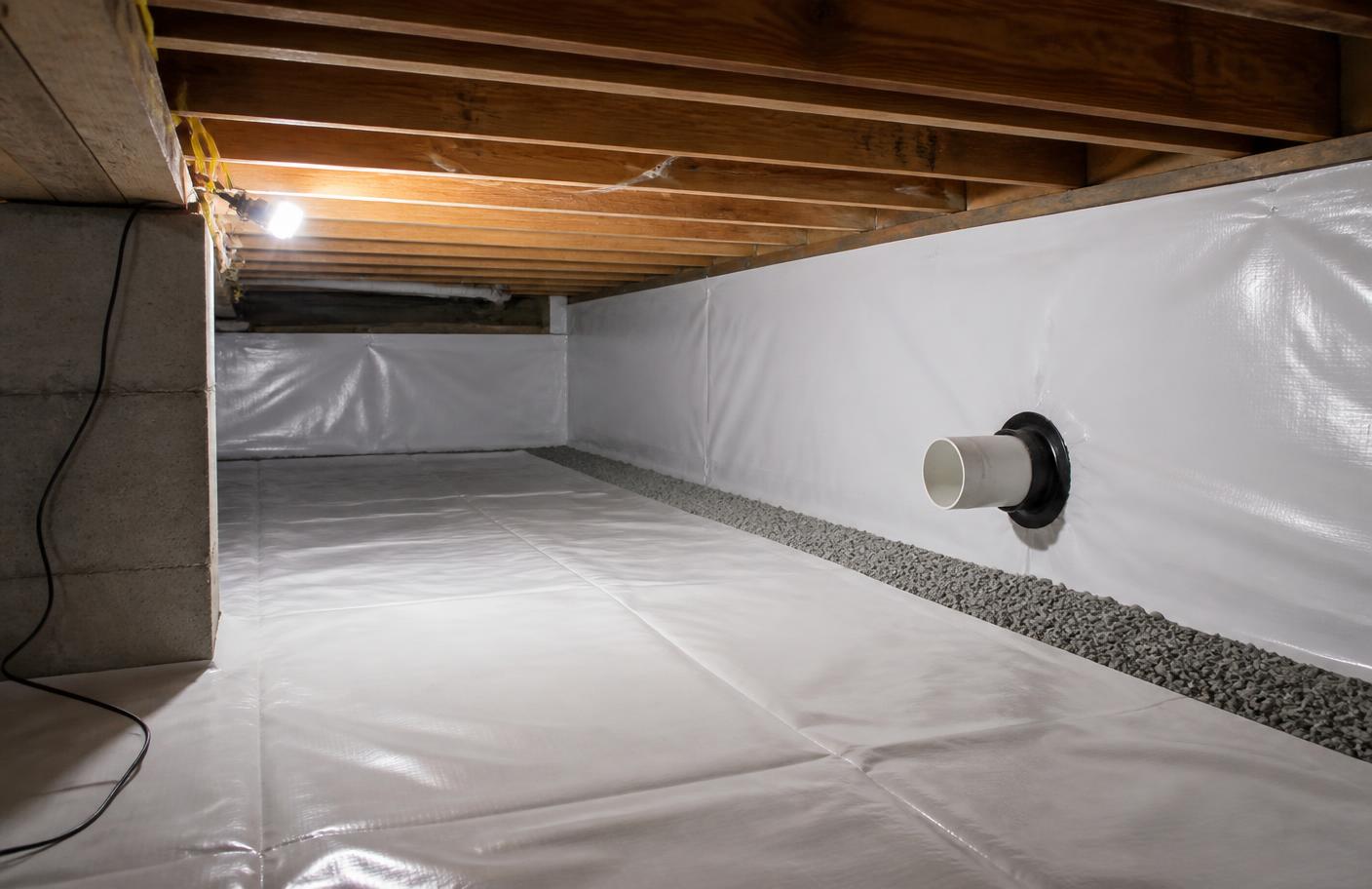
Communication testing, where a technician checks whether suction is reaching all areas under the slab from the single suction point, can help identify whether the sub-slab area needs an additional suction point rather than simply replacing the existing fan.
Common causes behind a system's underperformance
Sealing degradation around the sump pit lid, foundation penetrations, or the suction point cap is one of the most frequent culprits, since these gaskets and caulking lines are exposed to temperature swings and occasional disturbance during routine home maintenance. A gap here allows outside air to be pulled into the system instead of soil gas, reducing the vacuum available to actually depressurize the sub-slab area.
Ice buildup in exterior riser piping during Indiana winters is another regional-specific cause; condensation inside the pipe can occasionally freeze and partially restrict airflow, particularly in exposed exterior runs, though this is usually temporary and resolves as temperatures moderate.
What to do when you notice a problem
If the manometer looks off or the fan has stopped, avoid opening up piping or attempting fan replacement without evaluating the whole system first, since the fan may be a symptom of a sealing or suction point issue rather than the root cause. A professional evaluation typically starts with checking the manometer and fan operation, then inspecting seals and, if needed, running a communication test.
Because radon levels can rise within days of a system going offline, especially during Indiana's heating season when stack effect is strongest, our practice is to prioritize service calls involving a confirmed fan failure or flat manometer reading rather than treating them as routine maintenance.