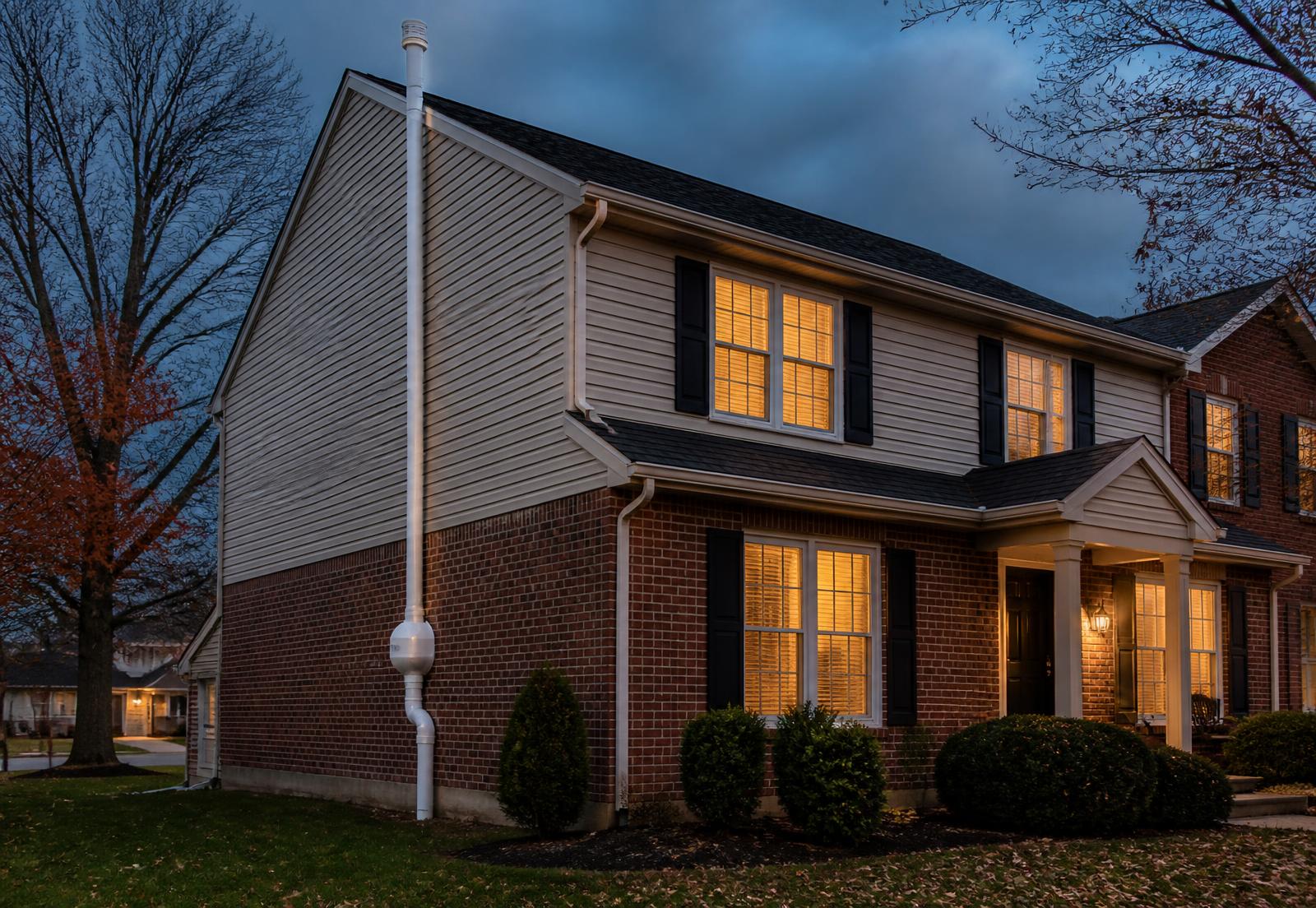
Repair versus replacement: how to think about it
A repair addresses a single failed or degraded component, most commonly the fan, a section of cracked piping, or a sealing gap, while keeping the original system design intact. Replacement means rethinking part or all of the system's design, potentially including new suction points, different piping routes, or a different fan sizing, because the existing layout is fundamentally not serving the home well.
As a general rule, if the manometer, retest results, and physical inspection point to one clearly identifiable failed part, repair is usually the appropriate and more cost-effective path. If problems keep recurring in different parts of the system, or if retested radon levels remain elevated despite a properly functioning fan, that pattern suggests a design limitation rather than a component failure.
Signs the original system was undersized or poorly designed
Some radon systems, particularly older installations or those installed to a bare-minimum standard, use a single suction point on a home with a large or compartmentalized foundation, such as multiple additions poured at different times. Communication testing across the slab may reveal that suction reaches some areas well but barely affects others, meaning the fan is working hard without adequately depressurizing the entire sub-slab area.
A system that consistently produces retested radon levels only marginally under the action level, even with a well-functioning fan, is another sign the original design may be underpowered for the home rather than simply needing a stronger fan swapped into the same layout.
- Single suction point on a home with multiple foundation sections or additions
- Communication testing shows uneven suction across the slab
- Retested levels remain only marginally below the action level despite proper fan function
- Recurring failures in different components rather than one isolated part
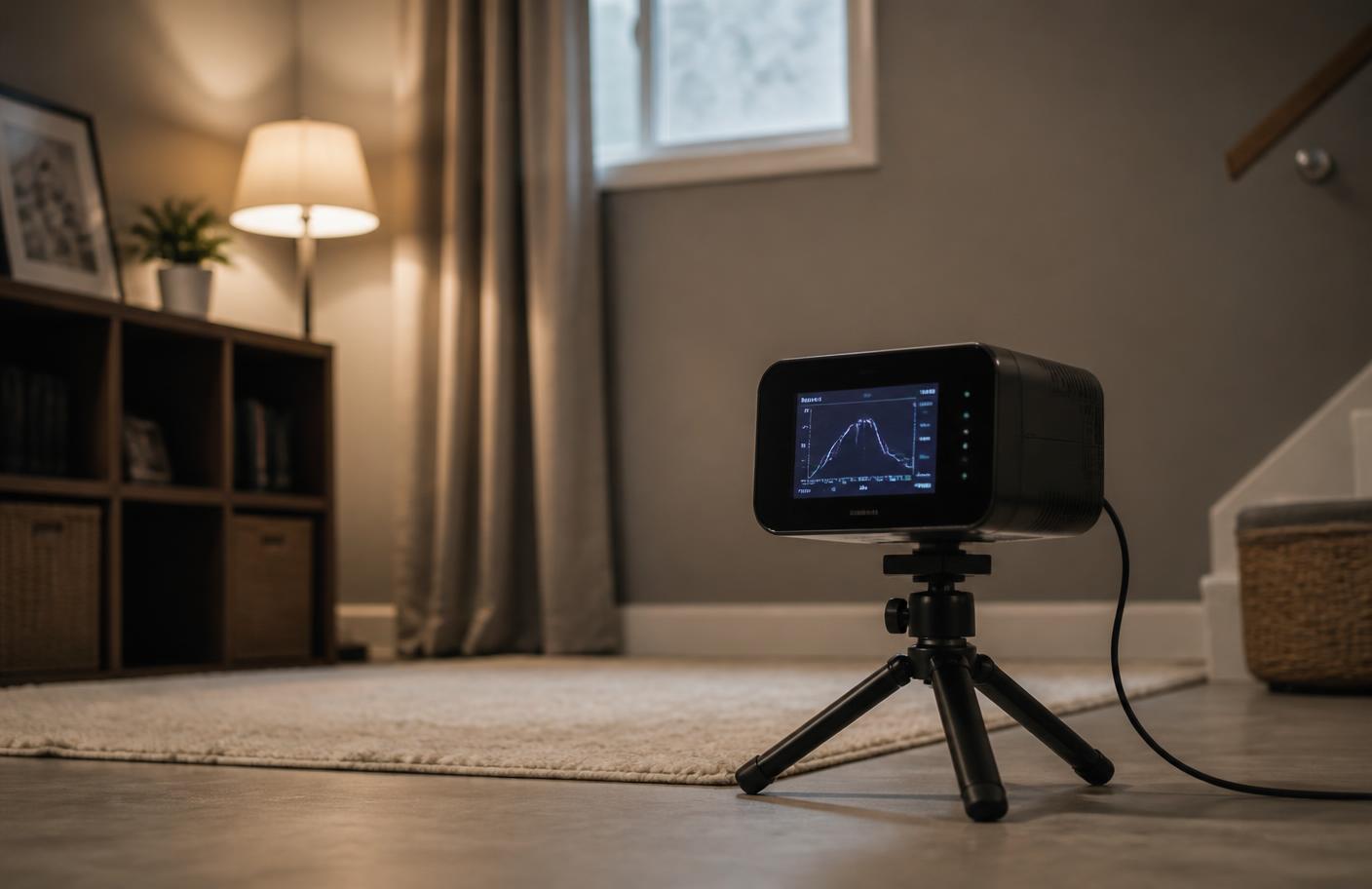
When multiple components are aging together
A system installed many years ago may be reaching a point where the fan is nearing end of life, sealing throughout the system has degraded from age, and piping has been through enough freeze-thaw cycles that several joints show wear simultaneously. In this scenario, replacing just the fan may only buy a short reprieve before the next component needs attention.
In these cases, a broader evaluation that considers replacing the fan alongside re-sealing all major joints and confirming the suction point still makes sense for the home's current condition, is often more cost-effective over time than a series of piecemeal repairs spread across multiple service calls.
Foundation changes that can outdate an existing design
If a home has undergone a finished basement build-out, an addition with new foundation, or slab work since the original system was installed, the original suction point and piping route may no longer align well with the home's current layout. A system designed for an unfinished, open basement may need substantial rerouting to remain both effective and aesthetically reasonable in a now-finished space.
Similarly, if a sump pit that originally served as the suction point has since been modified, repurposed, or replaced during other plumbing or waterproofing work, the mitigation system's connection to it may need to be redesigned rather than simply reattached.
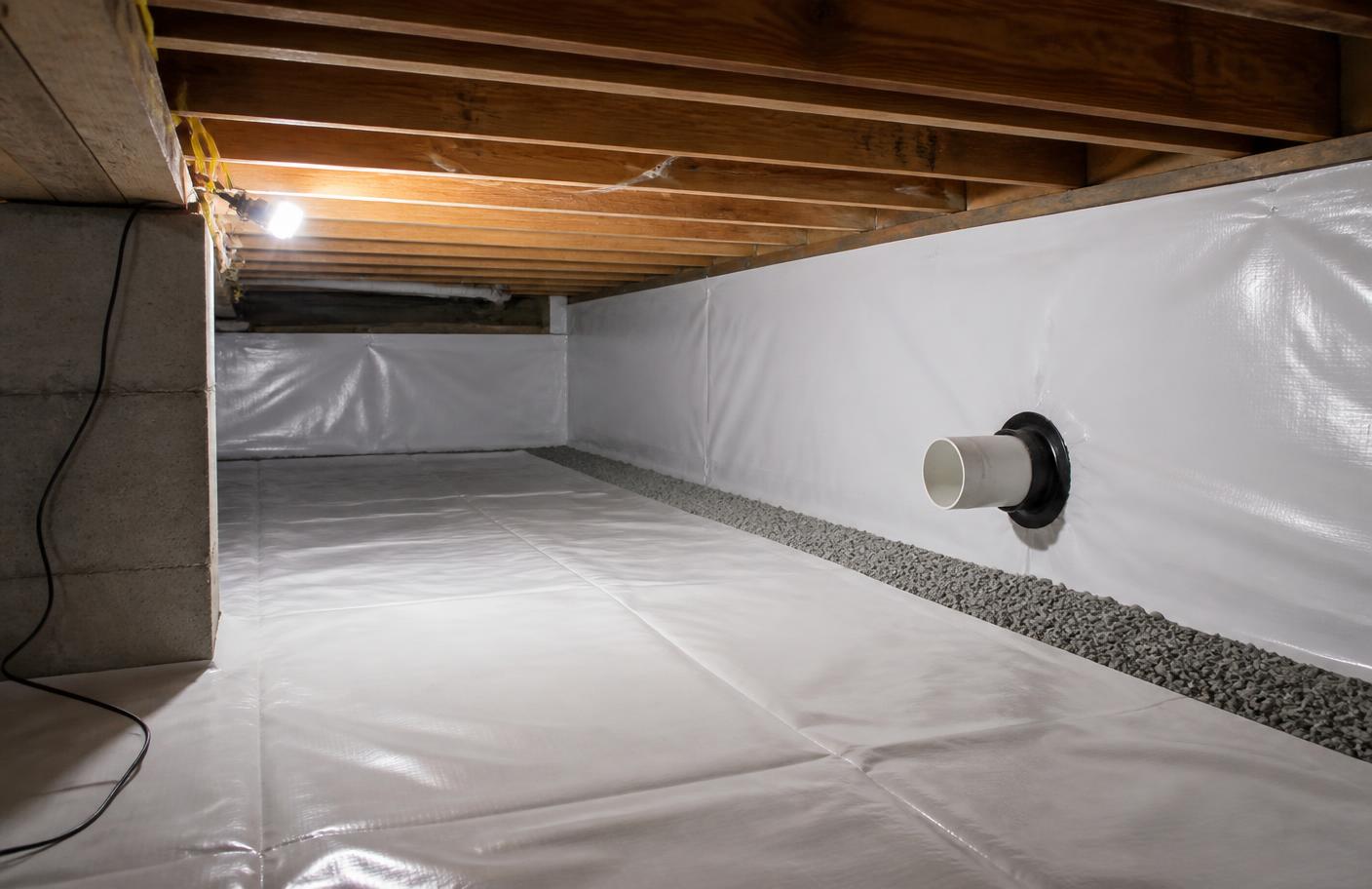
Making the decision with your contractor
A thorough evaluation before deciding between repair and replacement should include a manometer check, fan operation assessment, and, where retested levels suggest coverage issues, a communication test across the slab. This data-driven approach avoids both underspending on a repair that won't hold and overspending on a full replacement when a simpler fix would do.
Cost is also a real factor: replacement fans commonly fall roughly in the $300-$800 installed range depending on fan size and access, while a broader system redesign involving new suction points or piping typically costs more, with the specific number depending on a site evaluation. Our practice is to lay out both options plainly so homeowners can weigh cost against expected long-term performance.