Fan lifespan: the component that wears out first
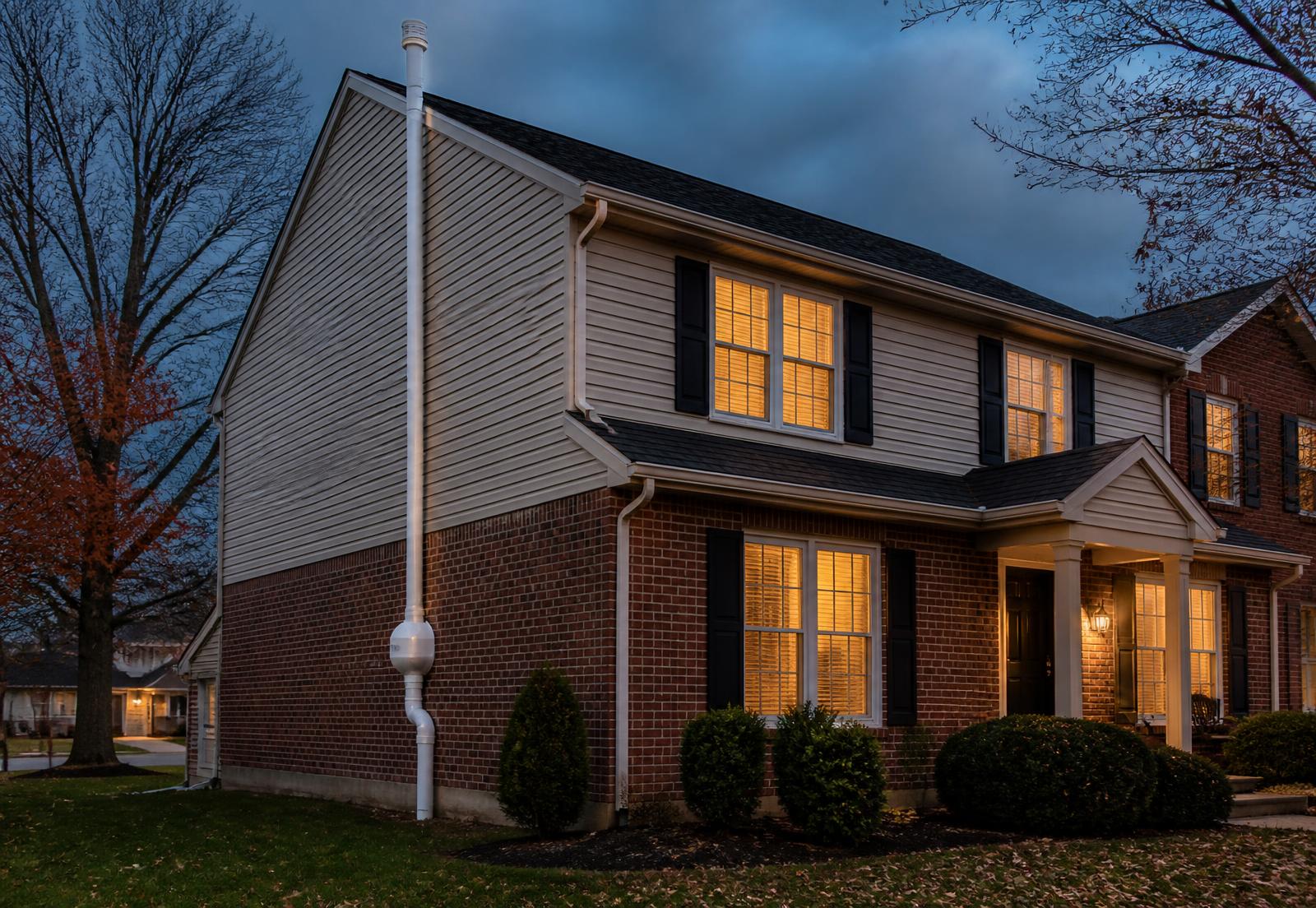
The inline radon fan is a continuously running motor, operating 24 hours a day, which means it accumulates wear far faster than any other part of the system. Most fans last roughly 5 to 10 years, and many manufacturers offer multi-year warranties, though actual lifespan varies with fan model, running conditions, and how much moisture or debris the fan is exposed to over time.
Bearing wear is the most common failure mode, typically starting as a faint hum or grinding noise that gradually gets louder before the motor eventually seizes or burns out. In Indianapolis, fans mounted in unconditioned attics or exterior locations experience wider temperature swings across the year, which can accelerate wear compared to fans in more sheltered locations.
Piping, sealing, and structural components
PVC piping, fittings, and the suction point itself generally last as long as the home does, since PVC doesn't degrade meaningfully under normal conditions and isn't exposed to the same continuous mechanical stress as the fan motor. Physical damage from renovation work, pest intrusion, or accidental impact are the main risks to piping longevity rather than routine age.
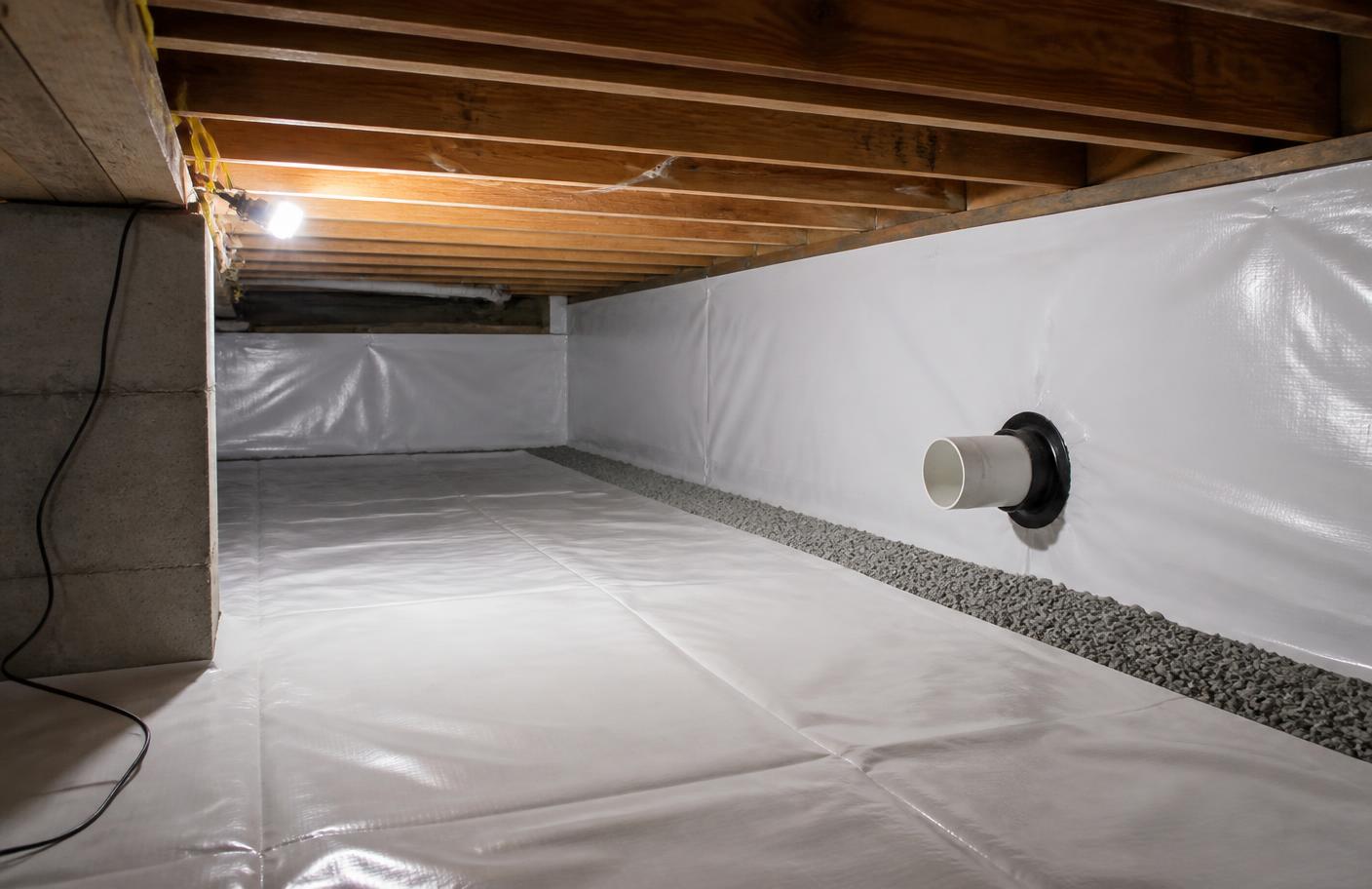
Sealing at the suction point, sump lid, and foundation penetrations is a different story. Caulk and foam sealants can shrink, crack, or lose adhesion over years, particularly around a sump pit lid that's opened periodically for pump maintenance. Degraded sealing doesn't necessarily fail the whole system, but it does reduce suction efficiency at the point where sealing quality matters most.
- Inline fan: roughly 5-10 years typical lifespan
- PVC piping and suction point: generally lasts the life of the home barring damage
- Sump lid and foundation seals: subject to gradual degradation over years
- U-tube manometer: mechanically simple and typically reliable long-term if undisturbed
What shortens system lifespan
Running conditions matter more than calendar age. A fan handling unusually moist air, such as from a poorly drained sump pit or high sub-slab moisture, may wear faster due to condensation reaching internal components. Similarly, homes with larger or leakier foundations that require the fan to work harder to maintain suction can push a fan toward the shorter end of its expected lifespan.
Indiana's winter freeze-thaw cycles introduce another factor: condensation inside exterior riser piping can occasionally freeze, and repeated freezing and thawing near joints or the fan housing over many winters may contribute to gradual seal degradation at those points, even though PVC pipe itself resists cold well.
Recognizing when a system is near the end of its service life
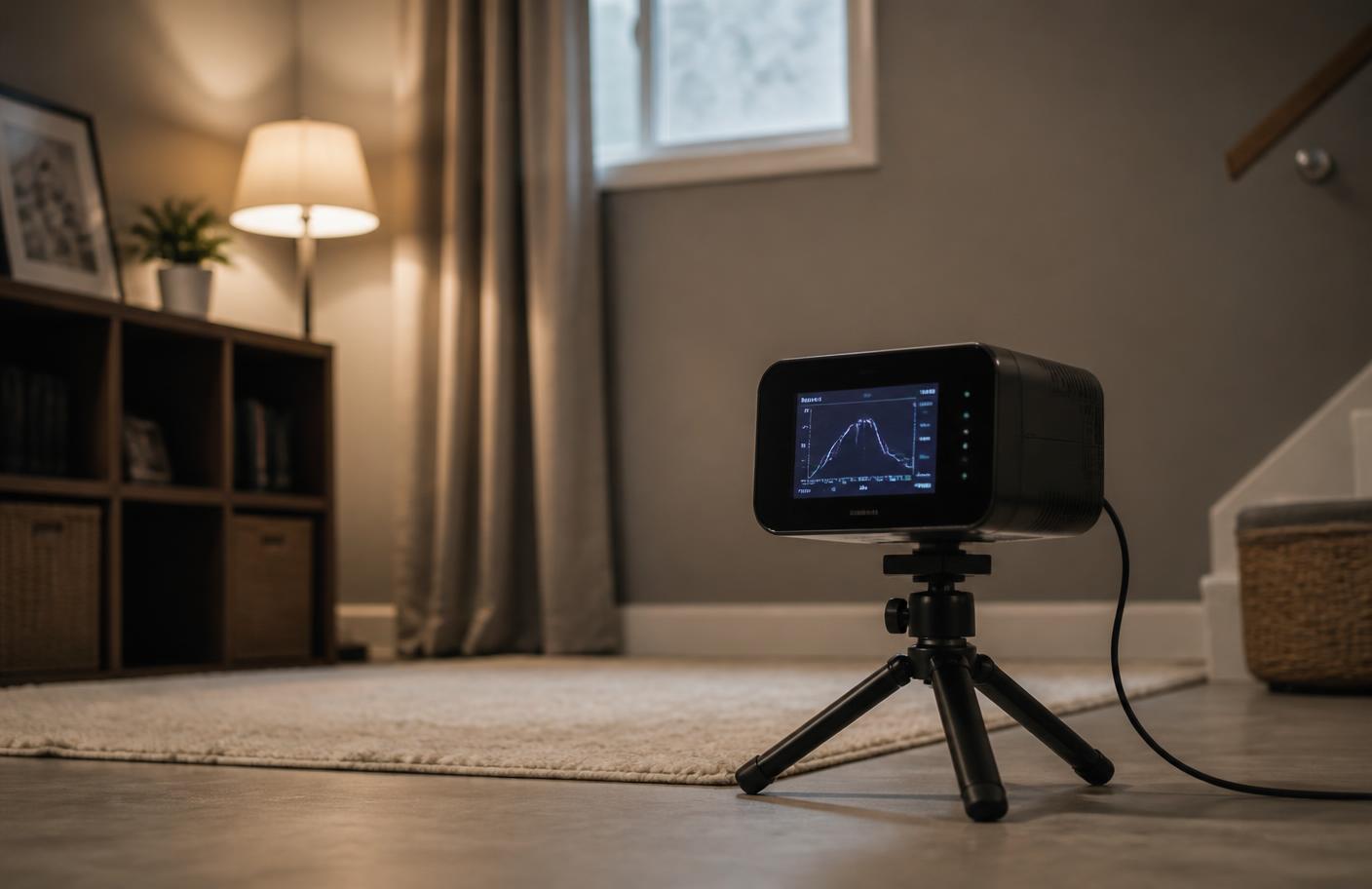
A rising system age isn't itself a problem, but certain signs suggest a component is approaching failure: a manometer reading that has visibly dropped from its original level, a fan that's noticeably louder or running warmer to the touch than it used to, or an uptick in retested radon levels compared to previous checks. These are more meaningful indicators than the number of years since installation.
Our practice is to treat fan age as a planning consideration rather than an automatic replacement trigger, checking actual performance indicators like static pressure and sound before recommending replacement, since a well-installed fan running under favorable conditions can sometimes exceed typical lifespan expectations.