Speedway's Compact Post-War Housing
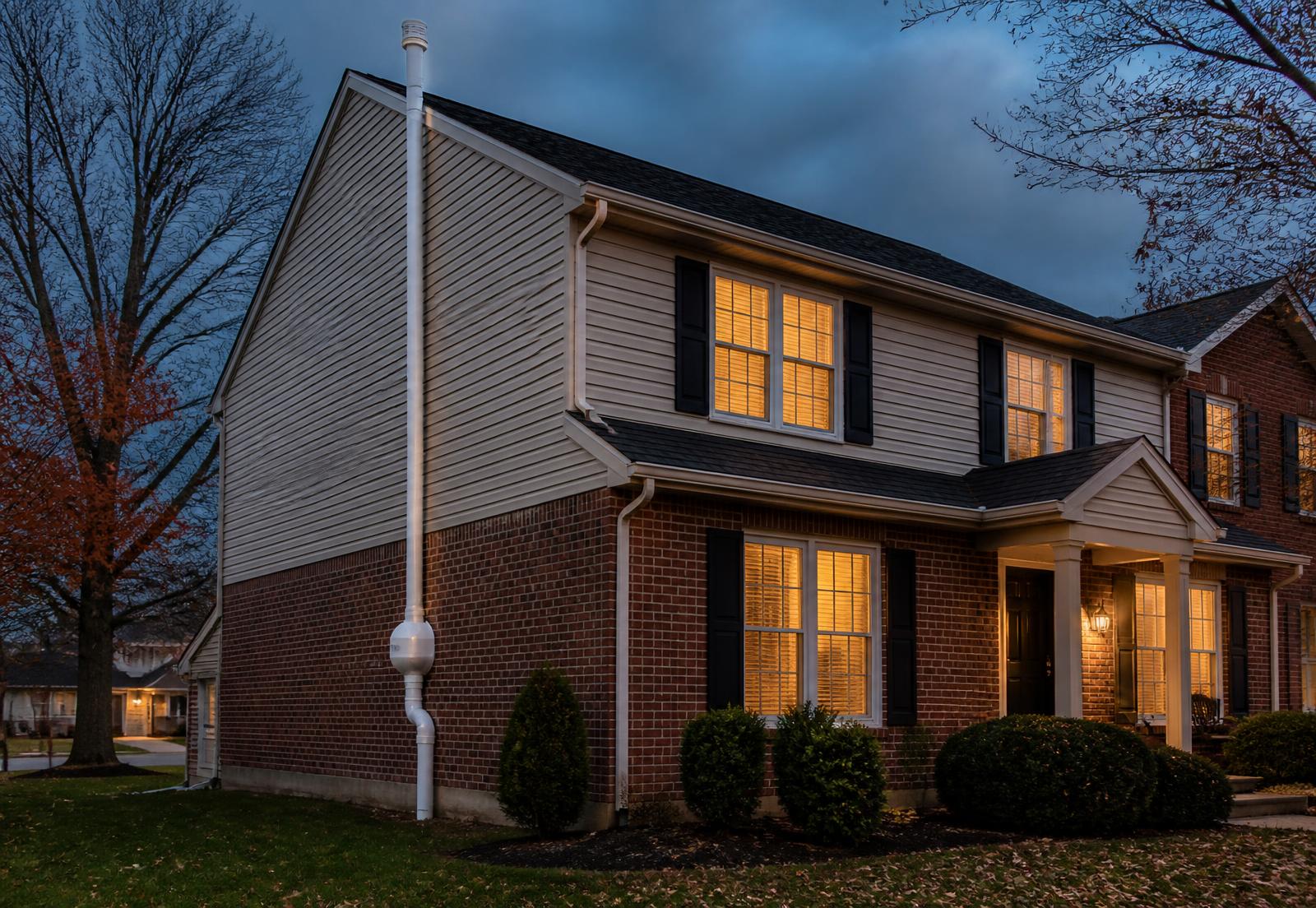
Speedway's residential neighborhoods grew up in close proximity to the Indianapolis Motor Speedway and the industrial employment it and nearby manufacturing brought to the area, producing a dense grid of modest homes on relatively small lots. Many of these homes date to the 1940s through 1960s and were built with crawl space foundations or partial basements rather than the full basements more typical of later suburban development.
This foundation pattern differs meaningfully from newer Central Indiana subdivisions, where full poured basements are the norm. In Speedway, a mitigation contractor is more likely to be evaluating a dirt or vapor-barrier-covered crawl space, or a partial basement paired with a crawl space under an addition, than a single continuous basement slab.
Radon Zone Classification and Testing
As part of Marion County, Speedway falls within EPA Zone 1, the highest radon potential designation, alongside the rest of Indianapolis and Central Indiana. This classification applies to Speedway's crawl space homes the same as it does to basement homes elsewhere in the county, so foundation type does not exempt a home from testing.
For homes with a crawl space, a test should still be conducted on the lowest lived-in level of the home, typically the main floor, rather than in the crawl space itself. Homes with a partial basement used as living space should test that area, since it represents the level closest to the soil that occupants regularly use.
Mitigation for Crawl Space and Partial Basement Homes
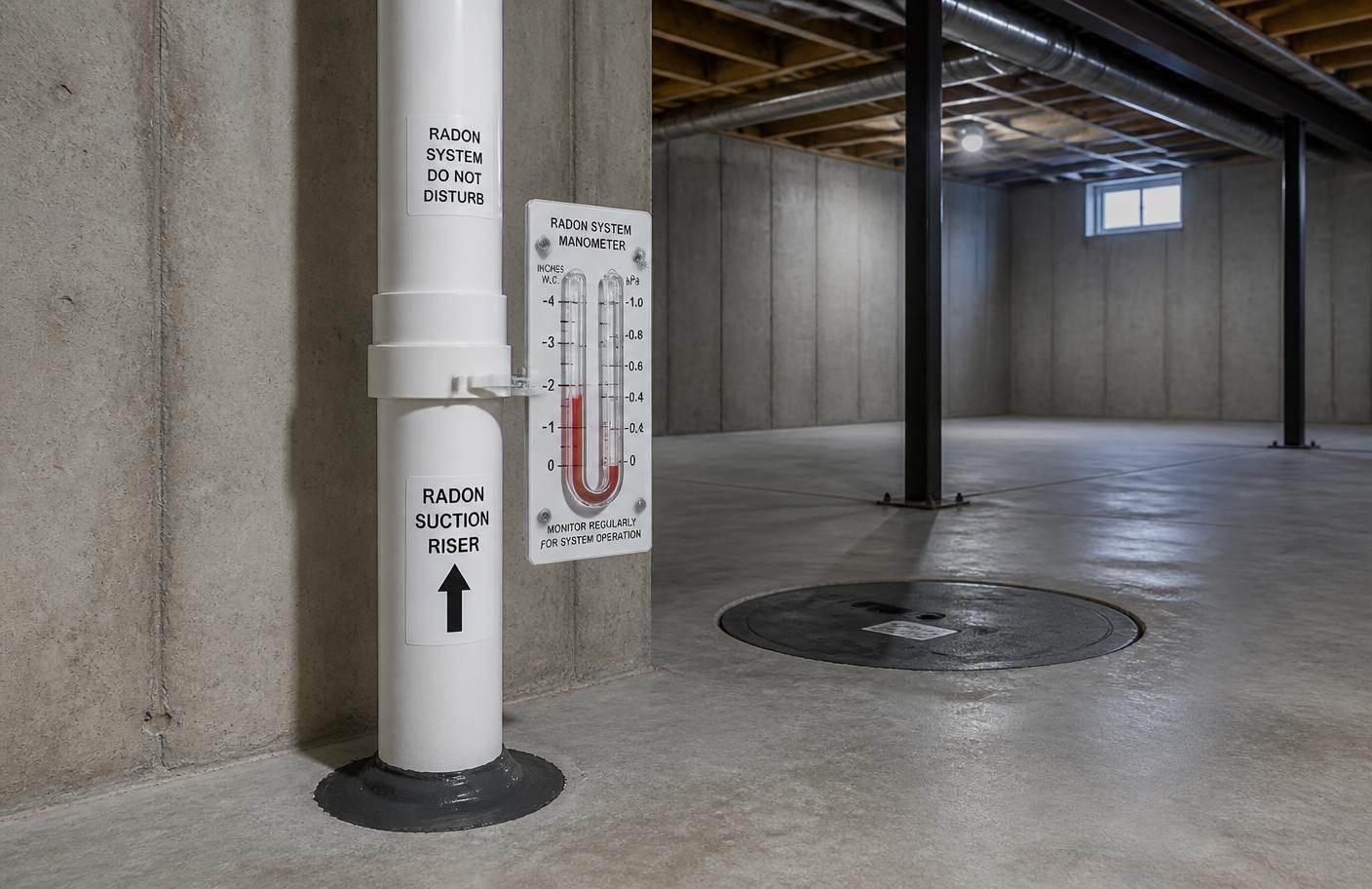
Crawl space mitigation in Speedway typically involves installing a heavy-duty vapor barrier sealed to the foundation walls and any support piers, with a suction point drawing air from beneath the barrier and venting it through an exterior pipe to above the roofline. This sub-membrane depressurization approach is the standard method for homes without a concrete slab in the crawl space.
For the partial basements found in some Speedway homes, a sub-slab system can often be installed in the basement portion, while the adjoining crawl space area is treated with a separate sub-membrane system, with both systems sometimes able to share a single fan depending on the layout and ductwork routing between the two spaces.
- Sub-membrane depressurization for dirt or partially covered crawl spaces
- Sub-slab suction for the basement portion of split-foundation homes
- Sealed vapor barriers fitted around piers and foundation walls
- Shared or separate fan systems depending on foundation layout
Neighborhood Character Near the Speedway
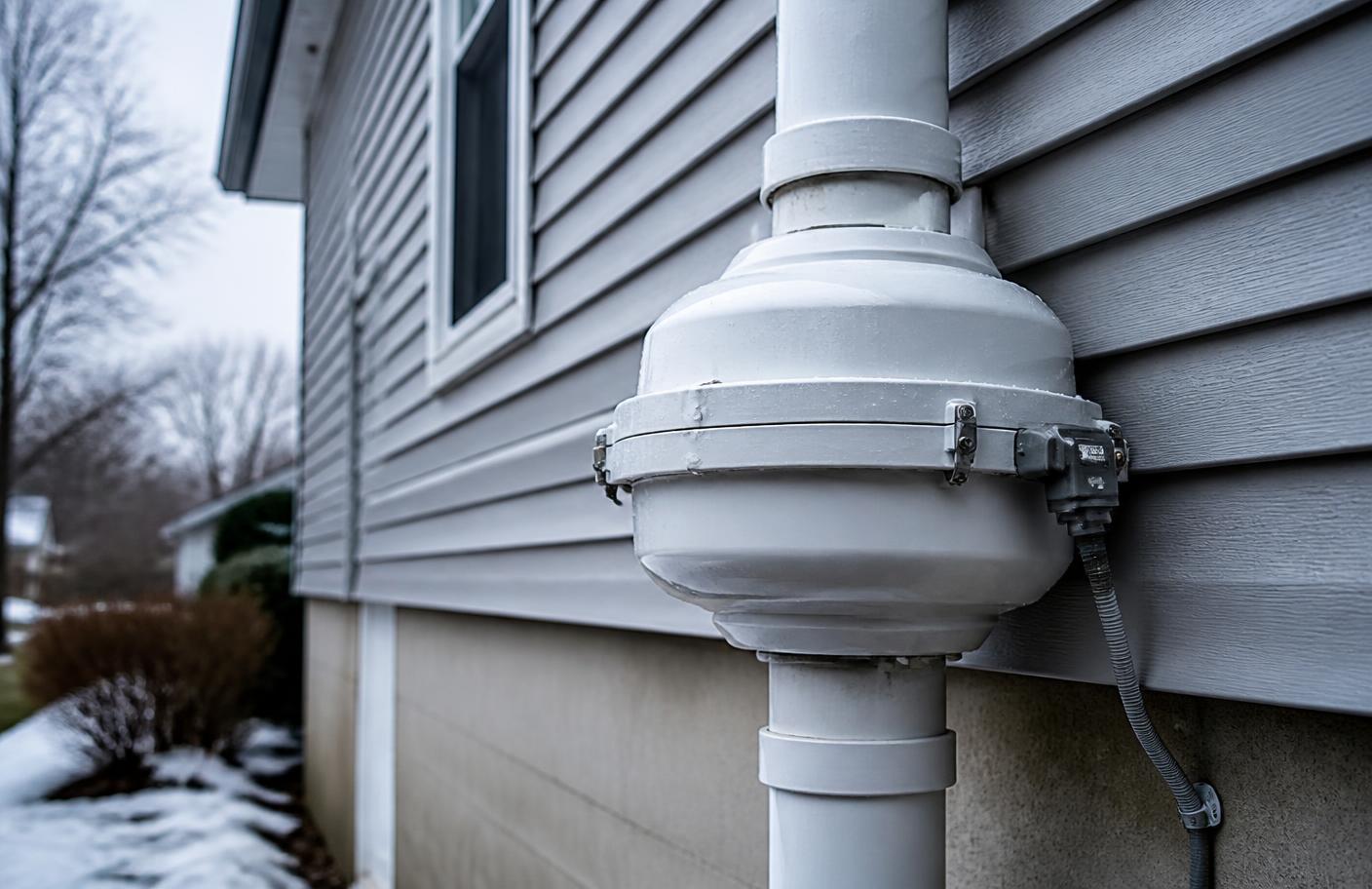
The blocks surrounding Main Street and the neighborhoods closest to the Indianapolis Motor Speedway retain much of Speedway's original mid-century residential character. Homes here are generally smaller in footprint than those in newer Marion County suburbs, which is an important factor when planning pipe routing and fan placement given tighter side-yard clearances.
What to Expect During Installation
Crawl space mitigation installations can take somewhat longer than a straightforward basement system because of the vapor barrier work involved, though most Speedway homes can still be completed in a single day. After installation, the system should run continuously, and a follow-up test can confirm the achieved reduction in indoor radon levels.