Testing Historic Homes Near Downtown
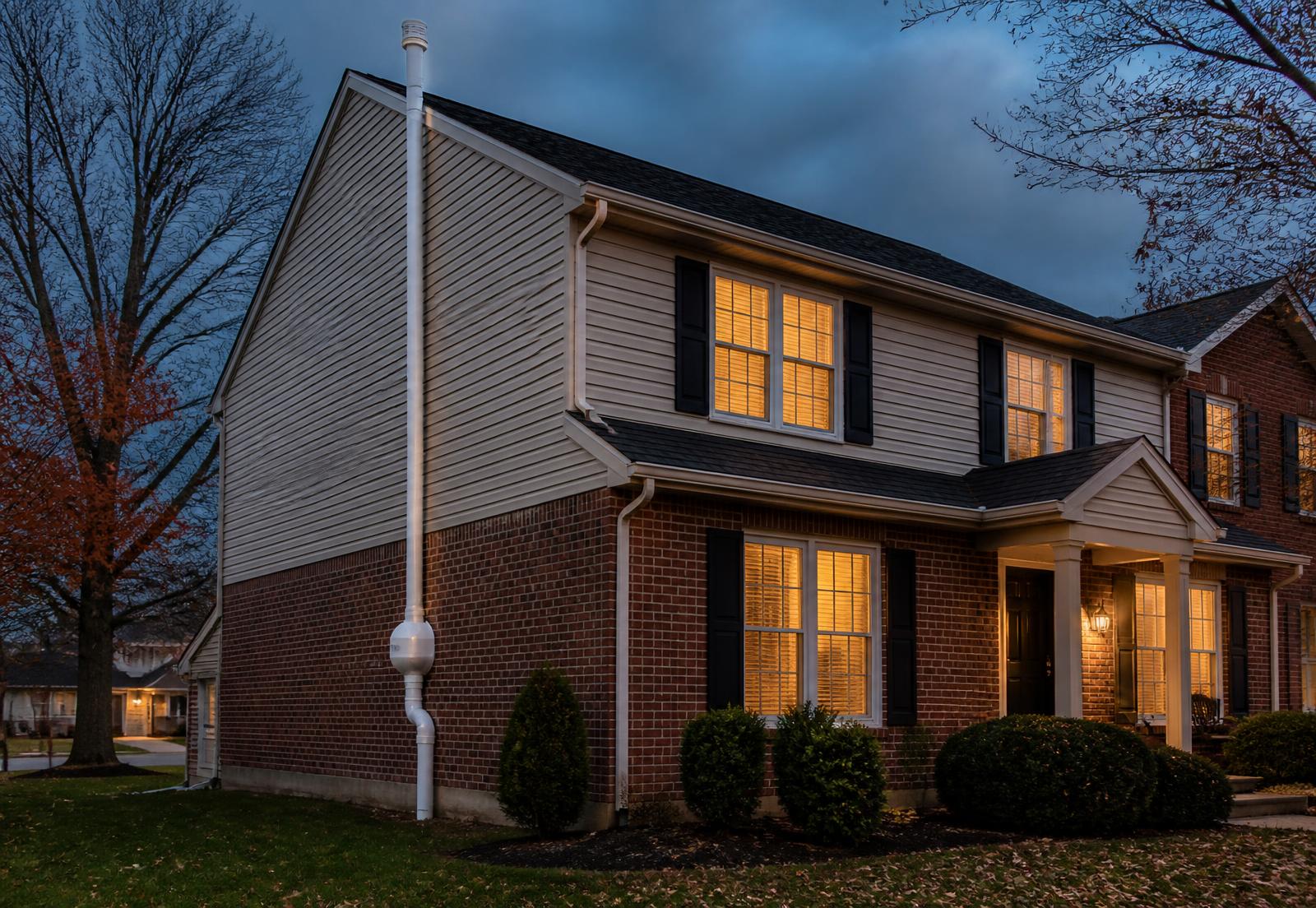
Homes near Noblesville's downtown square and surrounding historic districts often have original stone, brick, or block foundations, sometimes with dirt-floor crawl space sections or partial basements added or altered over decades of ownership. These older foundations frequently have more varied entry points for soil gas than newer poured concrete construction, including mortar joint gaps and hollow block cavities.
Because these homes were not built to a single modern standard, the lowest lived-in level can vary from a full basement to a partial cellar to a crawl space with no basement at all. Identifying which space actually qualifies as the lowest livable area, and confirming the foundation type in that space, is an important first step before placing a test device in a historic Noblesville home.
Testing in Newer Noblesville Subdivisions
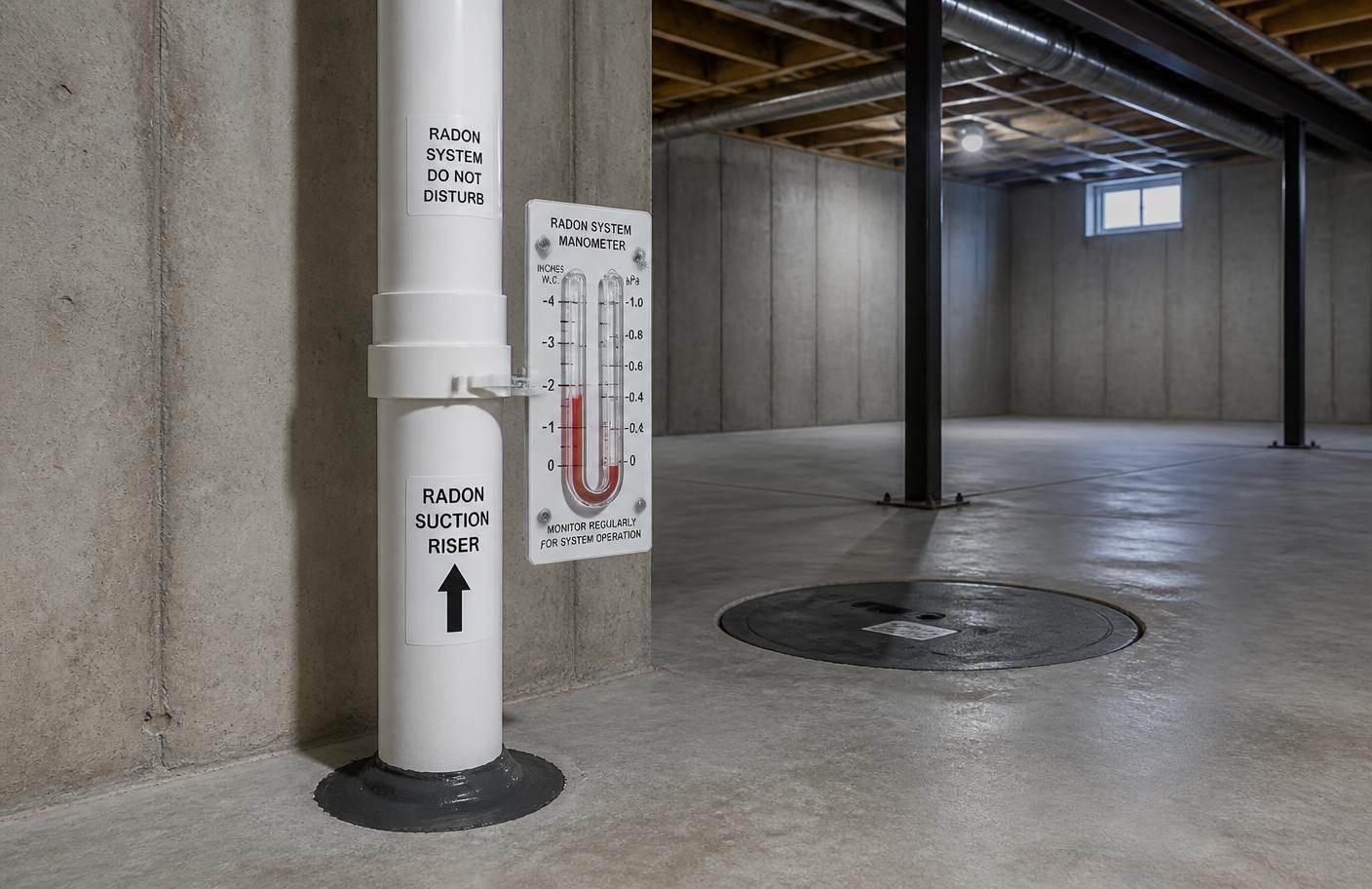
Subdivisions built in Noblesville over the past two decades tend to follow more standardized construction, often with poured concrete basements finished as living space, similar to patterns seen in nearby Fishers and Carmel. These homes generally have fewer foundation irregularities than older housing stock, but tight, energy-efficient construction can still allow radon to accumulate once it enters.
In these newer homes, placement follows the standard EPA guidance of the lowest lived-in level, away from exterior doors, windows, and HVAC vents. Because many of these basements are large open spaces or split into multiple finished rooms, choosing a centrally located, regularly used room typically produces a more representative result than a rarely used storage area.
Choosing a Test Device for Your Home Type
For a historic home with an older foundation, a continuous radon monitor can be particularly useful because it records hourly data, which helps distinguish a genuinely elevated baseline from a spike caused by a drafty original window or door being opened during the test. For a newer, tightly sealed subdivision home, either a charcoal canister or continuous monitor typically performs well since closed-house conditions are easier to maintain.
- Charcoal canister: economical, widely accepted, single averaged result over 48+ hours
- Continuous radon monitor: hourly readings useful for identifying interference in older, drafty homes
- 90-day alpha-track test: best for a seasonal average outside of a real estate deadline
Closed-House Conditions in Different Construction Types
Closed-house conditions, meaning windows and exterior doors stay shut except for normal entry and exit for at least 12 hours before and during the test, are harder to maintain in some historic homes with older, less airtight windows and doors than in newer, tightly built subdivision homes. Homeowners in historic Noblesville homes should pay particular attention to whether original windows seal well enough to hold conditions during the test period.
In newer subdivision homes, closed-house conditions are usually more straightforward to maintain since modern windows and doors seal more tightly, but homeowners should still avoid running whole-house fans or leaving garage doors open for extended periods during the test, since either can influence pressure conditions in the home.
Real Estate Testing and Retesting
Whether buying a historic home near the square or a newer build in a Noblesville subdivision, real estate transactions typically require a short-term test completed within the inspection period. A result at or above the EPA action level of 4.0 pCi/L usually leads to a mitigation discussion, while results between 2 and 4 pCi/L fall into the range EPA suggests homeowners consider addressing.
If a historic home's result seems inconsistent with its known condition, for example due to an unusually drafty original door affecting closed-house conditions, a retest with attention to sealing all openings can help confirm whether the initial number was accurate.