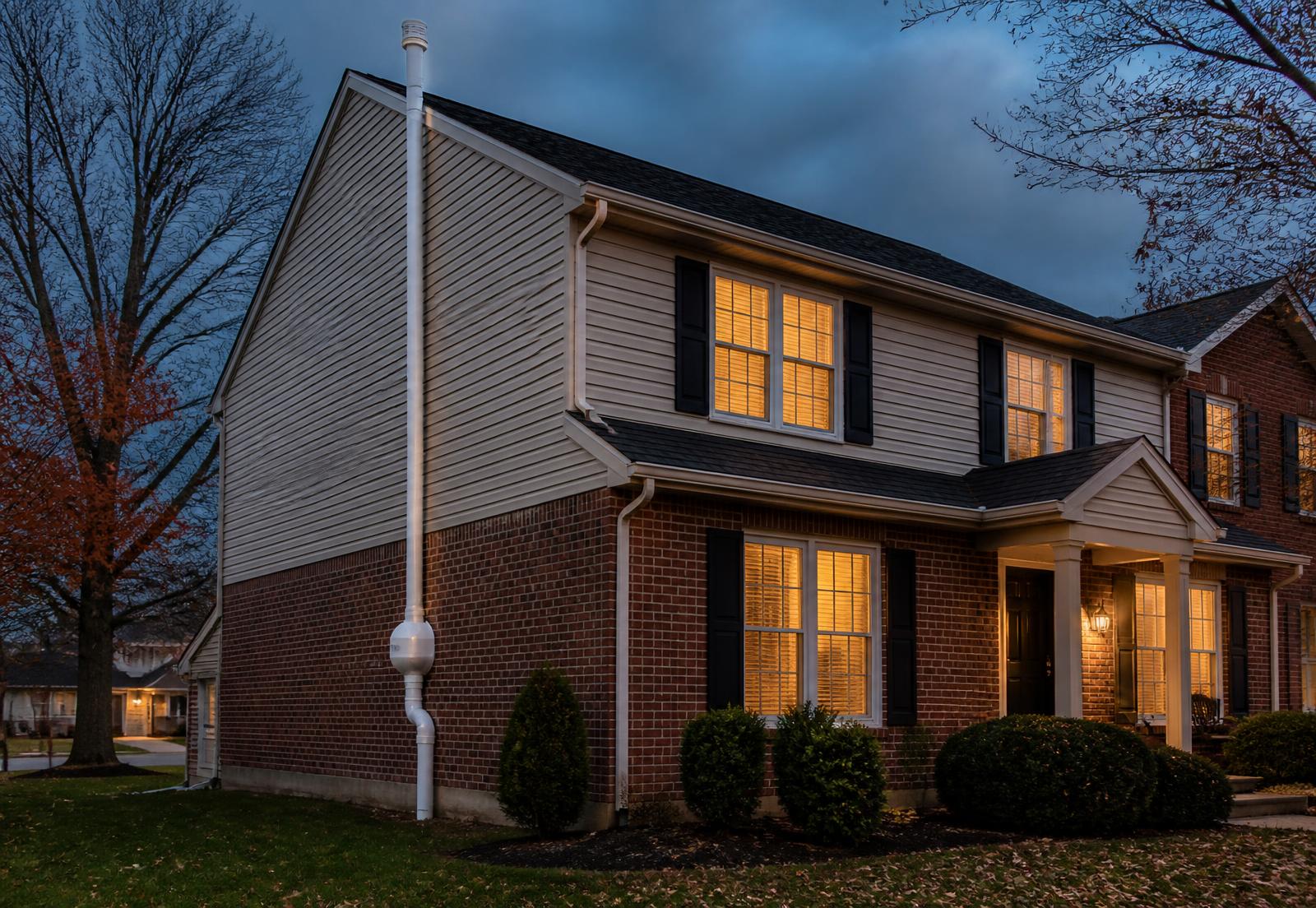
Testing Slab-on-Grade Homes
A meaningful share of newer Avon homes are built slab-on-grade, meaning the living space sits directly on a concrete slab with no basement or crawl space beneath it. In these homes, the entire structure is at ground level, and the first floor is by definition the lowest lived-in level, simplifying the placement decision compared to homes with basements.
Even without a basement, slab-on-grade homes are not immune to radon, since soil gas can still enter through slab expansion joints, cracks, and penetrations for plumbing and utilities. Testing should occur in a regularly used room on the main floor, away from exterior doors, windows, and HVAC vents, following the same core placement principles used in any home.
Testing Walkout Basement Homes
Avon's varied lot grading has led to many homes built with walkout basements, where one side of the basement level is at grade with a door leading directly outside. These basements are frequently finished as living space, making them the correct testing location under EPA protocol, but the walkout door itself introduces a placement consideration not present in a fully below-grade basement.
The test device should be positioned away from the walkout door and any windows on that level, since this exterior access point can introduce more outside air exchange than a basement with no direct grade-level door. Choosing a room on the opposite side of the basement from the walkout, if the layout allows, typically produces a more representative reading of soil gas conditions rather than surface air exchange.
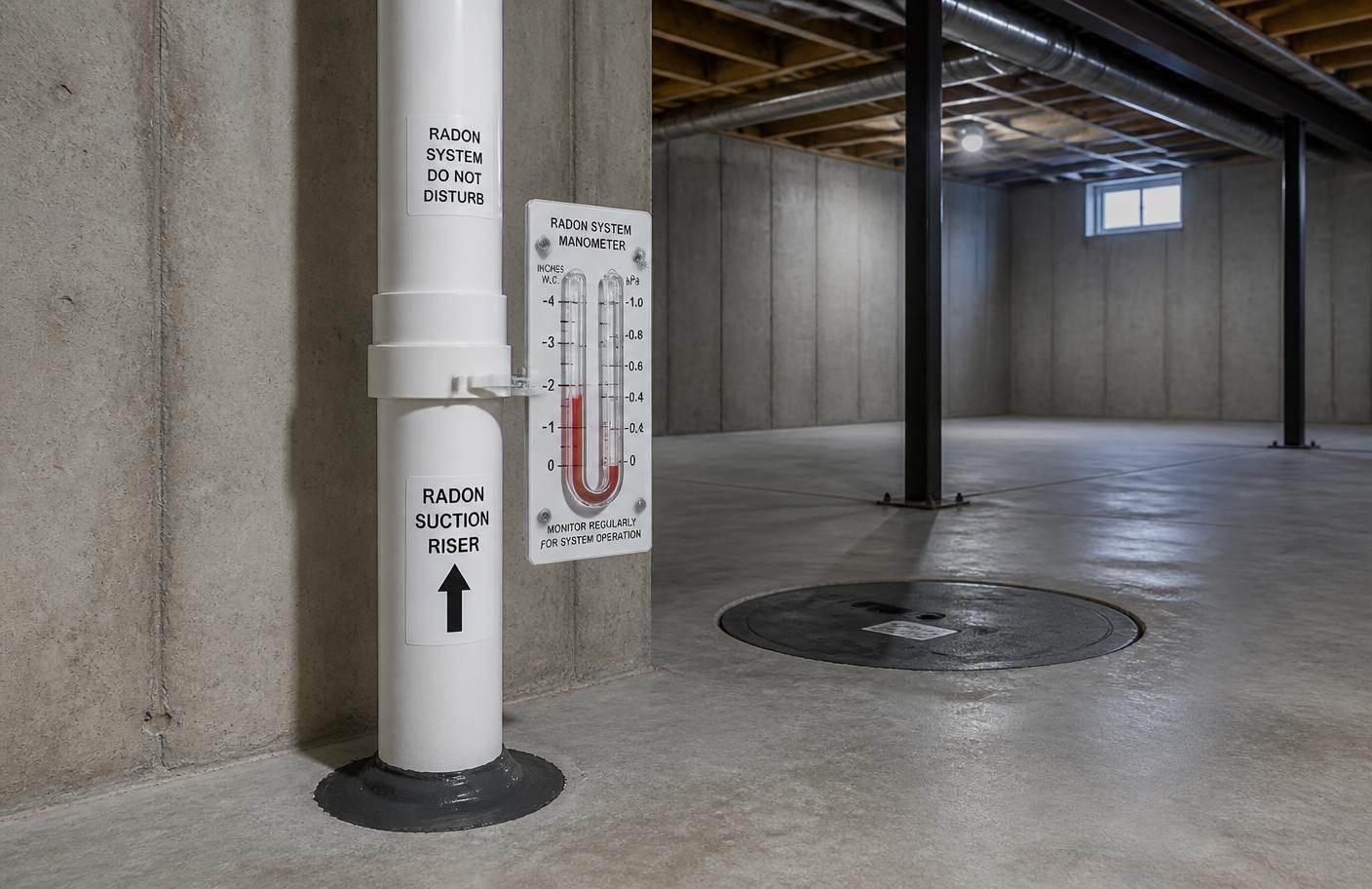
Closed-House Conditions With a Walkout Door
Maintaining closed-house conditions, meaning windows and exterior doors stay closed except for normal entry and exit for the 12 hours before and during a short-term test, requires particular attention in a walkout basement home. The walkout door is often used more casually than a home's main entrance, especially by children or pets moving between a finished basement and the backyard.
Homeowners testing a walkout basement home should communicate with everyone in the household about limiting use of that door during the test period, since frequent or extended openings can introduce outside air near the test device and affect the reading, particularly during colder months when the indoor-outdoor pressure difference driving radon entry is greatest.
Choosing the Right Test Device
For most newer Avon homes, whether slab-on-grade or walkout basement, a charcoal canister test provides a reliable, cost-effective option for a real estate transaction or general household testing, running a minimum of 48 hours. A continuous radon monitor is a reasonable upgrade for a walkout basement home in particular, since its hourly data can help confirm whether a reading was affected by door use near the testing location.
- Charcoal canister: standard 48+ hour option, effective for both slab and walkout homes
- Continuous radon monitor: hourly data useful for confirming a walkout door did not affect results
- 90-day alpha-track test: better suited to a full-season household average outside a transaction deadline
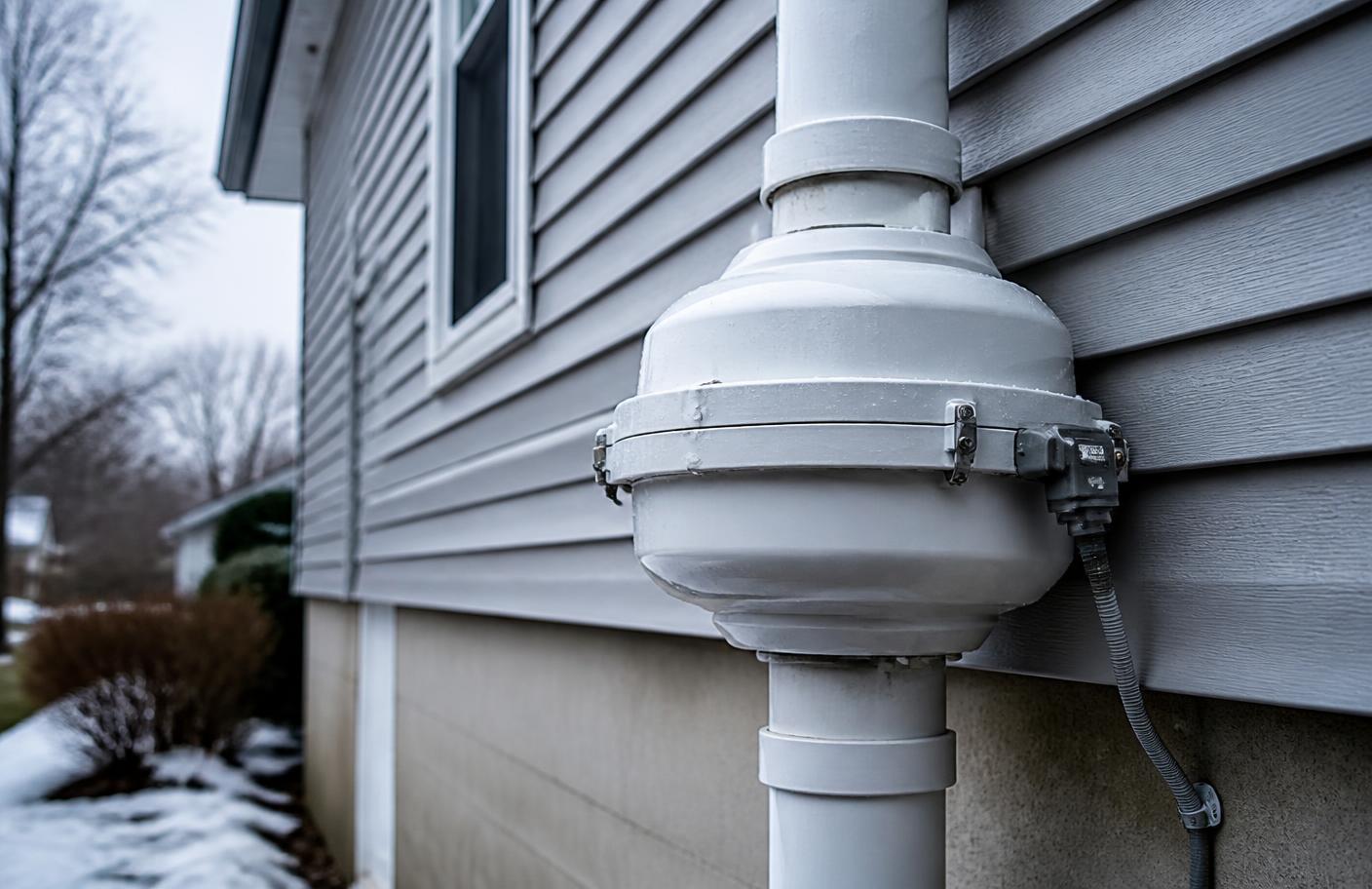
Understanding Results in Newer Construction
A common misconception is that newer Avon homes, built to modern energy codes, are less likely to have elevated radon. In practice, tighter construction can trap radon more effectively once it enters, and the EPA action level of 4.0 pCi/L, along with the 2 to 4 pCi/L range EPA suggests considering action, applies the same way regardless of a home's age or construction type.
If a walkout basement home's result seems inconsistent with expectations, checking whether the walkout door was used more than usual during the test period, for example during a home showing or a family gathering, is a reasonable first step before assuming the number itself is inaccurate and requesting a retest.