A Corridor of Mixed Housing Ages
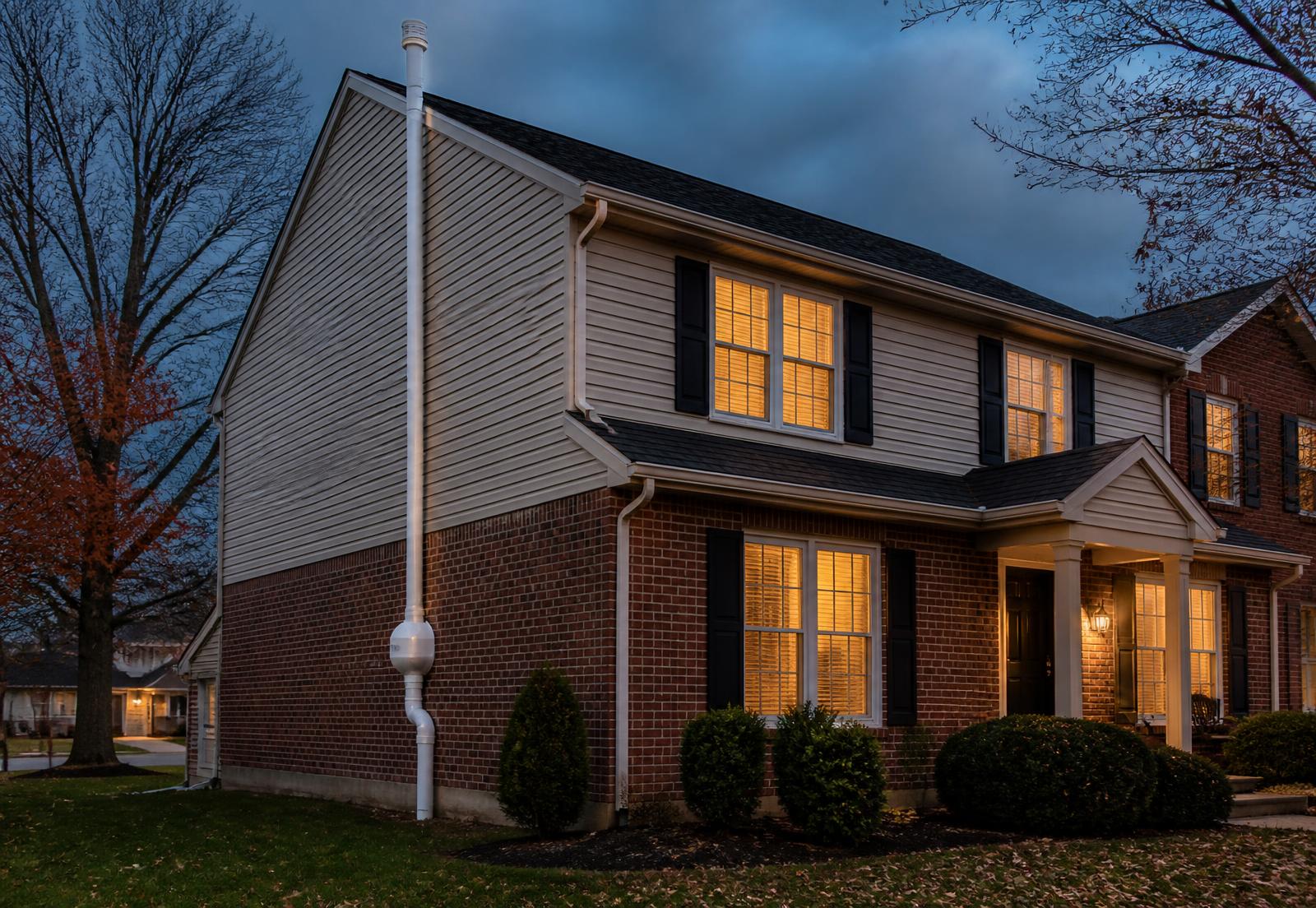
The Center Grove corridor has seen substantial residential growth over the past two decades, adding subdivisions with basements finished as full living space alongside older, more established Greenwood neighborhoods with a wider range of foundation types and ages. This mix means there is no single typical radon testing scenario for the area, and each home's construction era should inform how the test is approached.
Newer Center Grove homes tend to have poured concrete basement walls and slabs with fewer irregularities, while older Greenwood homes may have block foundations, additions built at different times, or partial basements combined with crawl space sections. Identifying the actual lowest lived-in level before placing a device is an important first step in either case.
Testing Newer Finished Basements
In newer Greenwood and Center Grove subdivisions, basements are frequently finished with bedrooms, media rooms, and home offices, making them the lowest lived-in level under EPA protocol. Placement should favor a centrally located, regularly used room away from exterior doors, windows, and HVAC supply or return vents, rather than a mechanical closet or storage corner.
Because these basements are often large open layouts, a single device placed in a well-chosen central location typically provides a representative reading for the level, but if the basement is divided into distinctly separate finished sections with different exposures, some homeowners choose to note which specific room was tested for future reference.
Testing Older Greenwood Homes
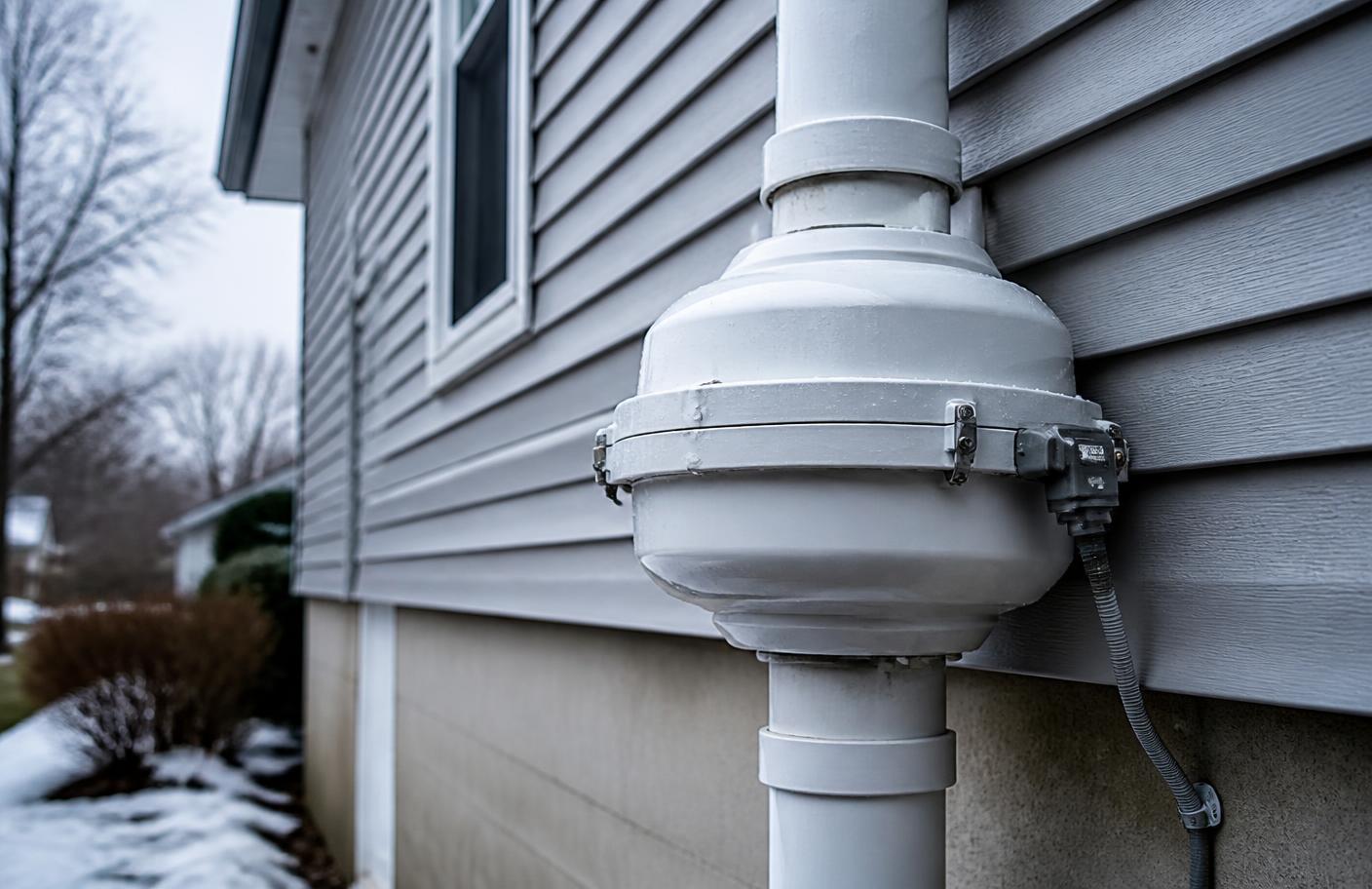
Established Greenwood neighborhoods away from the newest Center Grove developments often include homes with block foundations, additions, or partial basements that were altered from the original construction. These homes can have more varied entry points for soil gas, including gaps at foundation additions where old and new construction meet.
As with any home, the lowest lived-in level is the correct testing location, but in an older home with a partial basement and a crawl space section, it is worth confirming which portion of the lower level is actually occupied regularly before choosing where to place the device, since results can vary between sections with different foundation types.
Device Selection and Closed-House Conditions
A charcoal canister test remains a standard, cost-effective option for both newer and older Greenwood homes, requiring a minimum of 48 hours under closed-house conditions. A continuous radon monitor, while more expensive, provides hourly data that can be useful in either housing type, particularly in older homes where drafts or occasional door use might otherwise be blamed for an elevated reading.
- Charcoal canister: standard 48+ hour test, single averaged result
- Continuous radon monitor: hourly data helps confirm results in homes with more variable conditions
- 90-day alpha-track test: suited to a seasonal household average outside a transaction deadline
Interpreting Results and Considering a Retest
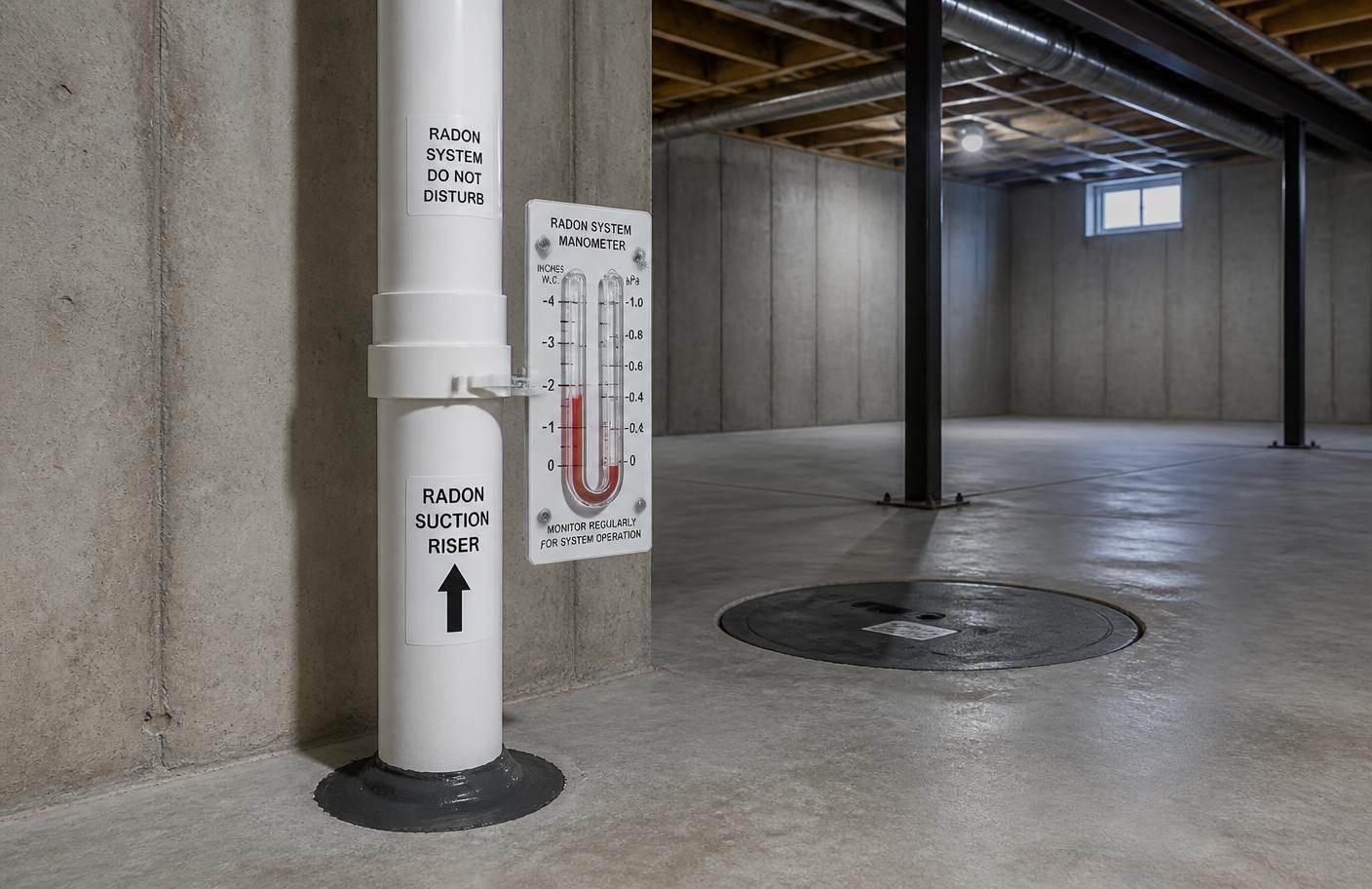
Results at or above the EPA action level of 4.0 pCi/L generally call for a mitigation evaluation, and results between 2 and 4 pCi/L are in the range EPA suggests homeowners consider addressing. This standard applies equally whether the test was conducted in a newer Center Grove basement or an older Greenwood foundation.
If a result seems unusual given the home's known condition, a retest under carefully maintained closed-house conditions, ideally with attention to any doors or windows that may not seal tightly, can help confirm whether the number reflects an accurate baseline or a testing anomaly.