Why New Construction Can Still Have High Radon
Radon comes from the soil beneath a home, not from the building materials or its age, so a brand-new house sitting on the same Marion County or Central Indiana soil as an older neighboring home faces the same underlying geologic radon potential. In some cases, tighter, more energy-efficient new construction can actually trap radon more effectively once it enters, since reduced natural air leakage means less dilution from outdoor air exchange.
Passive Radon-Resistant Construction Explained
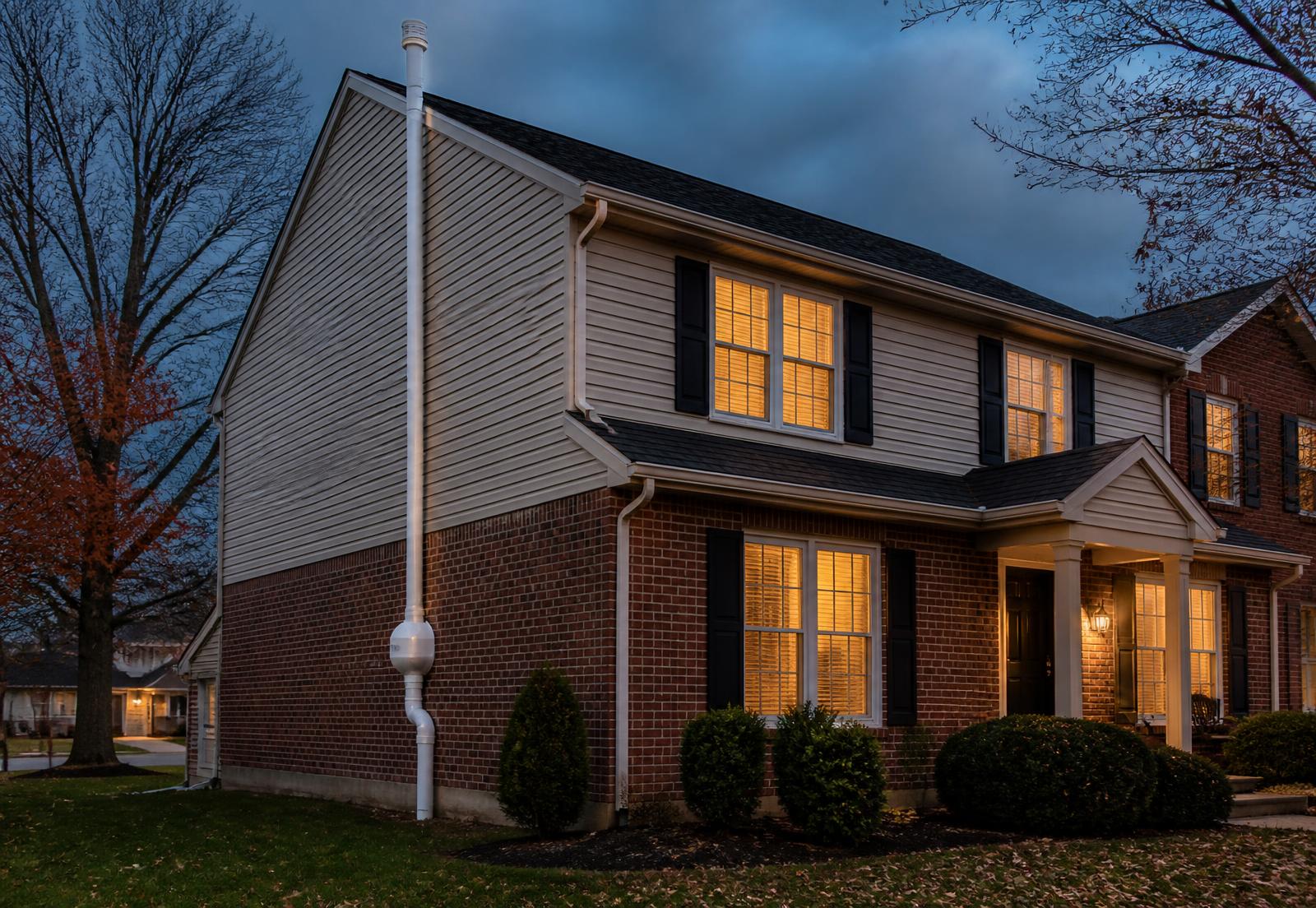
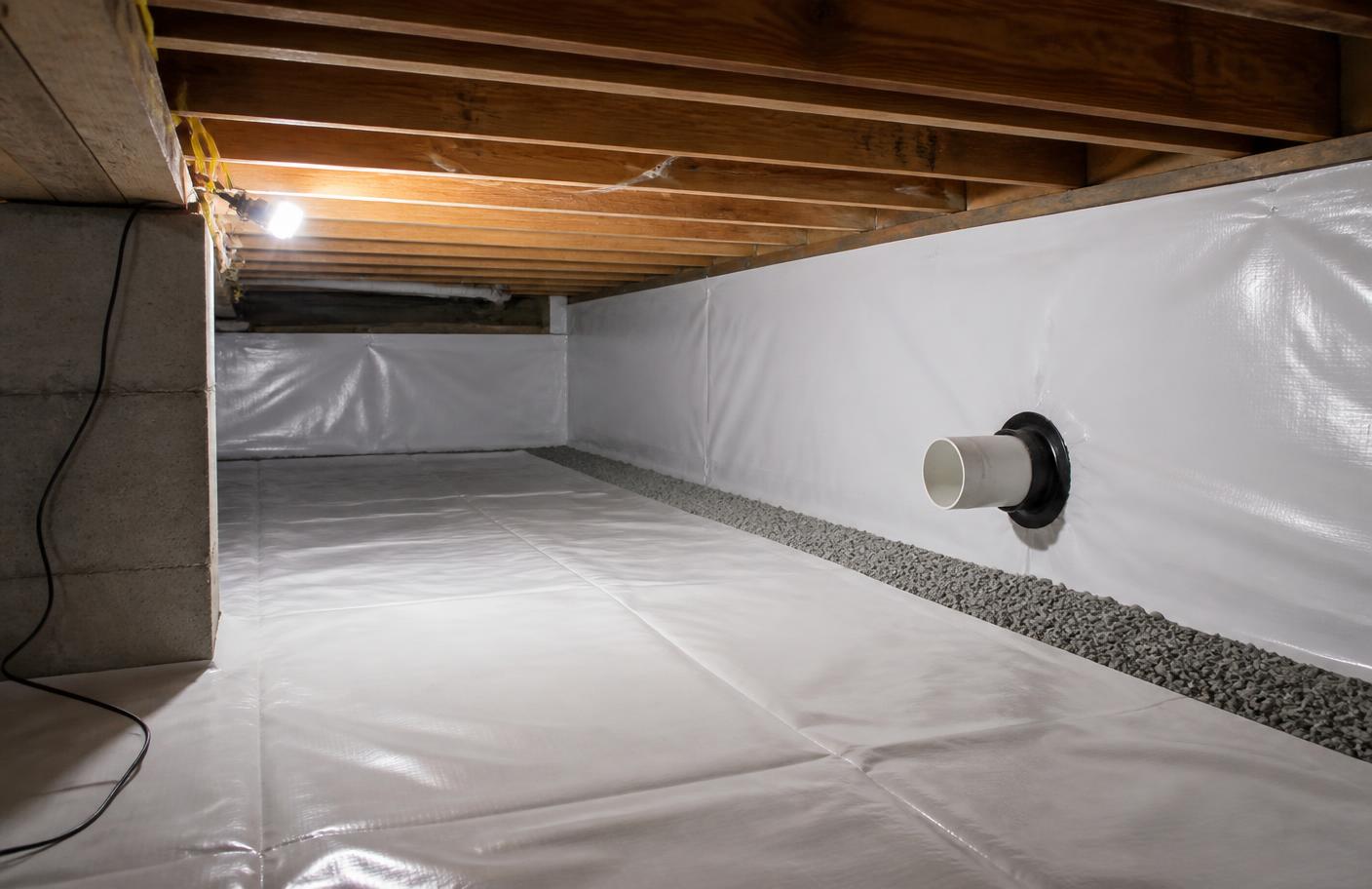
Many new homes in Indianapolis are built with passive radon-resistant new construction (RRNC) features, which typically include a layer of gravel beneath the slab, a vapor barrier, a vertical vent pipe routed from beneath the slab through the roof, and sealed foundation penetrations. These features are designed to allow for easy future activation of an active system if needed, but on their own they rely on passive stack-effect airflow rather than a fan.
Passive systems can meaningfully reduce radon levels compared to a home with no radon-resistant features at all, but they do not guarantee levels will fall below the EPA action level. Because passive systems rely on natural pressure differences rather than mechanical suction, their performance varies more than an active, fan-powered sub-slab depressurization system.
Converting a Passive System to Active
If testing shows a new home with passive radon-resistant features still has elevated radon, the existing vent pipe can typically be converted to an active system by installing an inline fan along the pipe route, usually in an attic, garage, or exterior location. This conversion is often simpler and less invasive than installing a mitigation system from scratch in a home with no existing rough-in, since the piping and roof penetration are already in place.
- Locate the existing passive vent pipe rough-in
- Install an inline fan at an appropriate point along the pipe run
- Confirm proper electrical connection and fan orientation
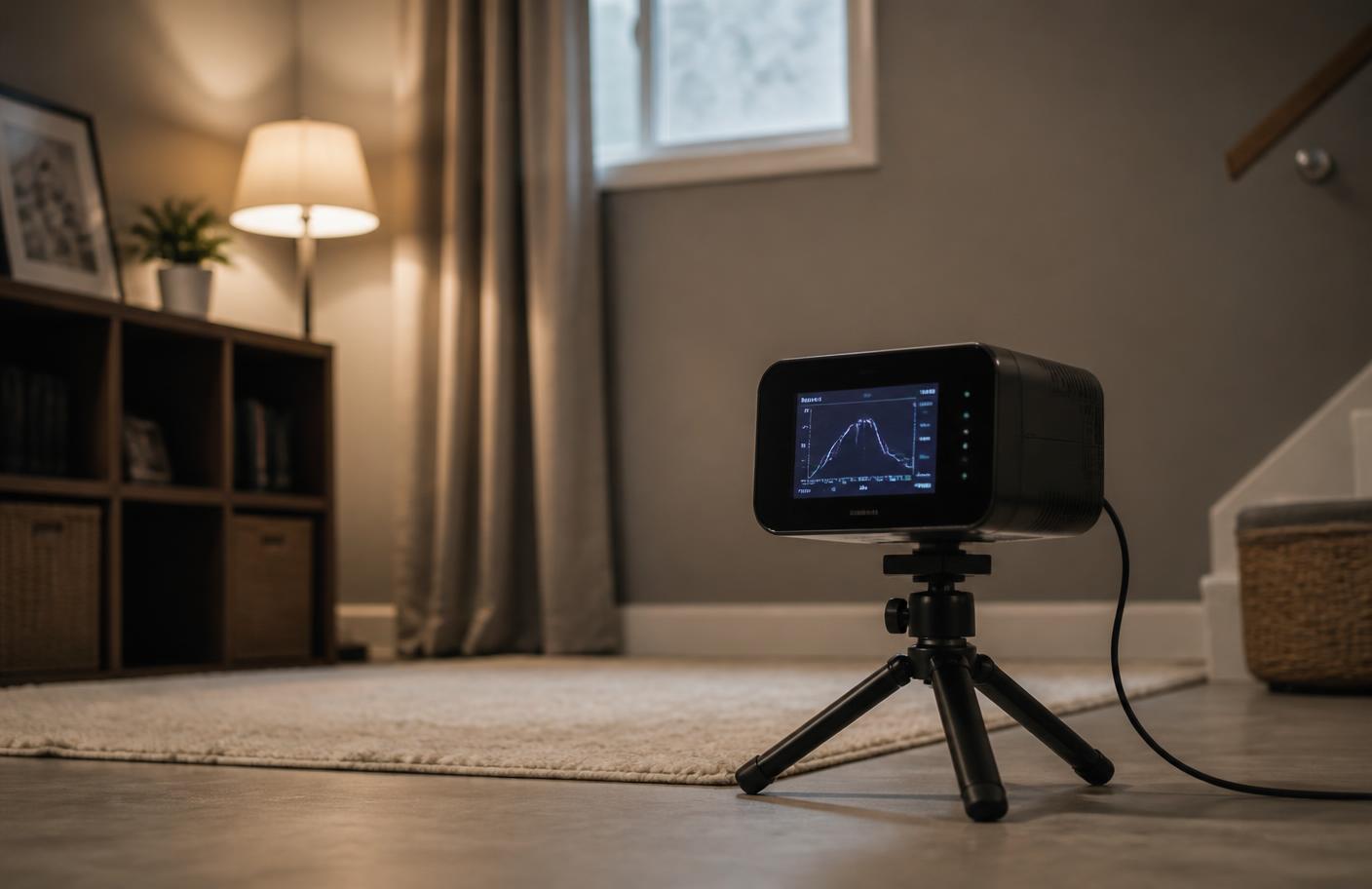
- Test with a manometer to verify system vacuum
- Conduct a post-installation radon test to confirm results
Testing Timing for New Homes
New homeowners in Indianapolis should test as soon as reasonably possible after moving in, and ideally as part of the closing process for new construction, though this varies by builder and buyer preference. Waiting until closed-house conditions are practical, such as during cooler months when windows are naturally kept closed, can also provide a more representative reading.
It is worth noting that even homes built with passive radon-resistant features are not exempt from testing recommendations; EPA guidance to test every home applies regardless of construction date or the presence of passive systems, since actual performance can only be confirmed through measurement.
What to Ask Your Builder
Homeowners purchasing new construction in Indianapolis can ask the builder directly whether passive radon-resistant features were included and request documentation of what was installed, such as the presence and routing of a vent pipe and sub-slab gravel layer. This information helps a testing or mitigation contractor understand the existing infrastructure and plan more efficiently if activation becomes necessary.