Why Abatement Terminology Matters in Real Estate
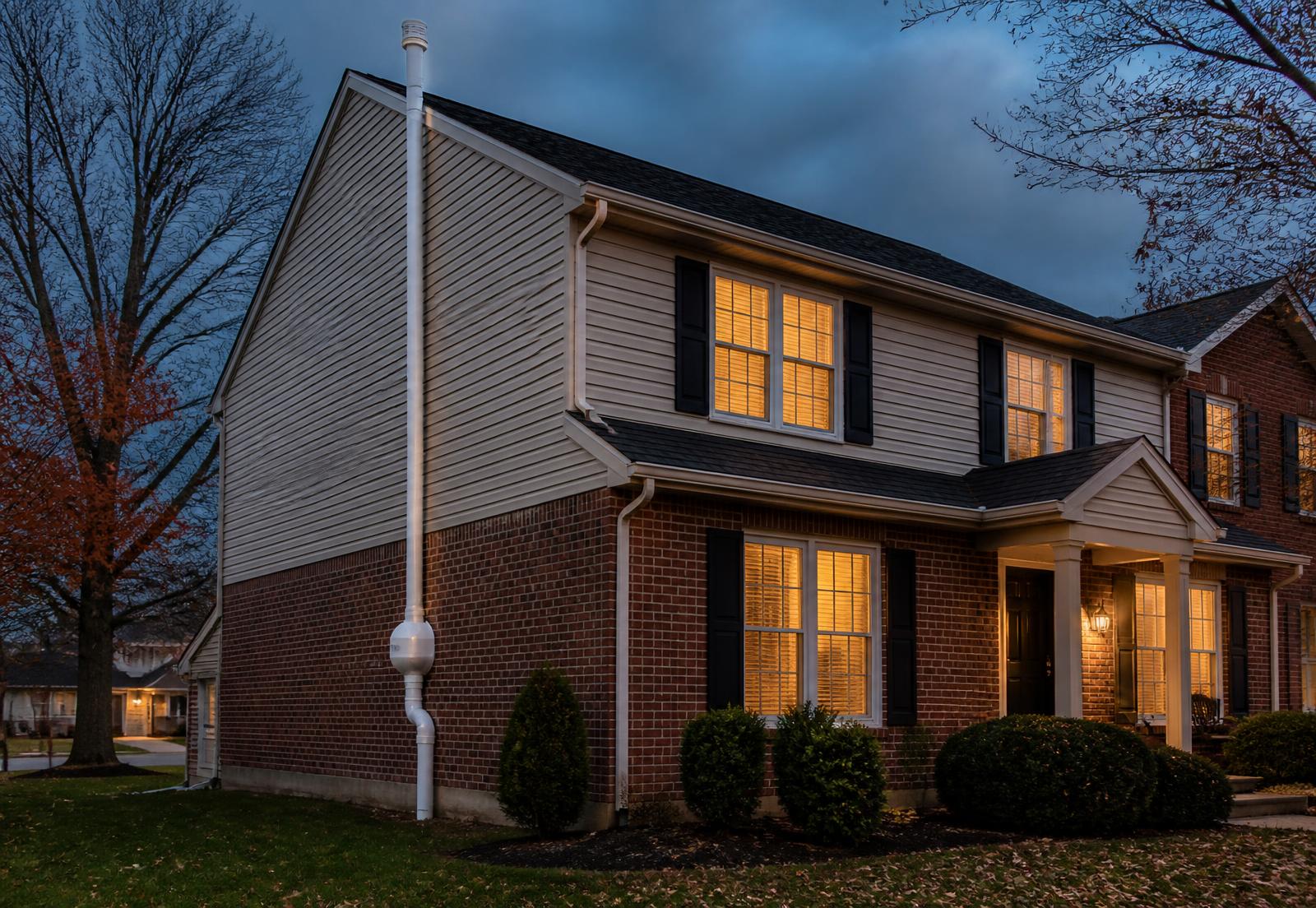
Purchase agreements, appraisal addenda and lender documents in Indiana real estate transactions frequently use the word abatement when referring to a required radon fix, since it is the term carried over from environmental hazard language more broadly. When a contract calls for radon abatement as a condition of closing, the buyer, seller and agents on both sides usually expect a documented scope, not just a fan bolted to a wall.
We treat every abatement job as a paper trail as much as a physical installation: a written proposal describing the exact suction point locations, pipe routing, fan model and sealing scope, followed by a completion summary with pressure readings once the system is running, so the file has evidence the work matches what was proposed.
What a Documented Scope of Work Includes
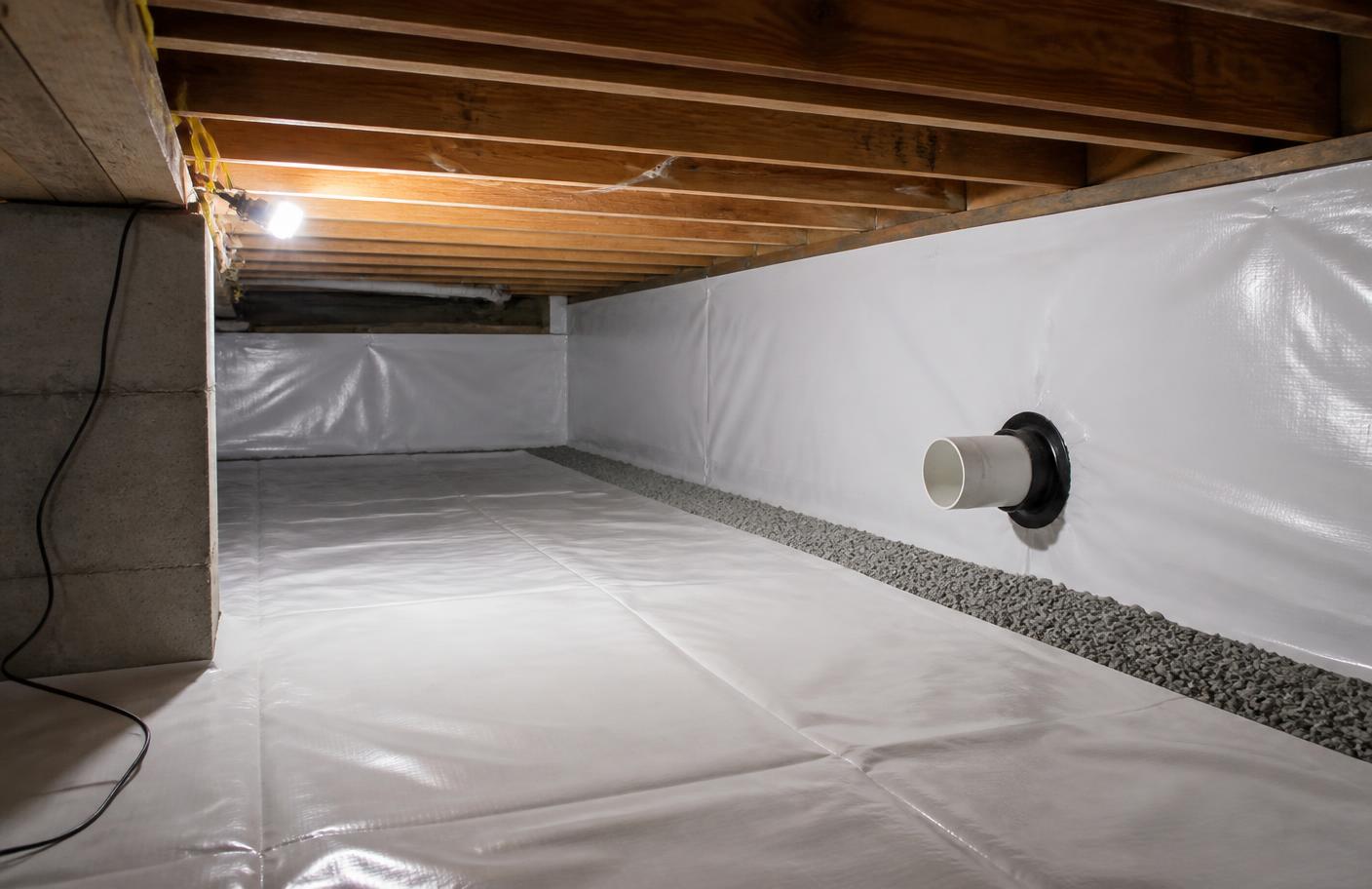
Before installation, we put together a scope that lists foundation type, number of suction points, sump pit treatment, sealing locations, fan model and static pressure rating, and planned exhaust termination point. This gives buyers, sellers and their agents something concrete to reference if there is a question later about what was actually agreed to and performed.
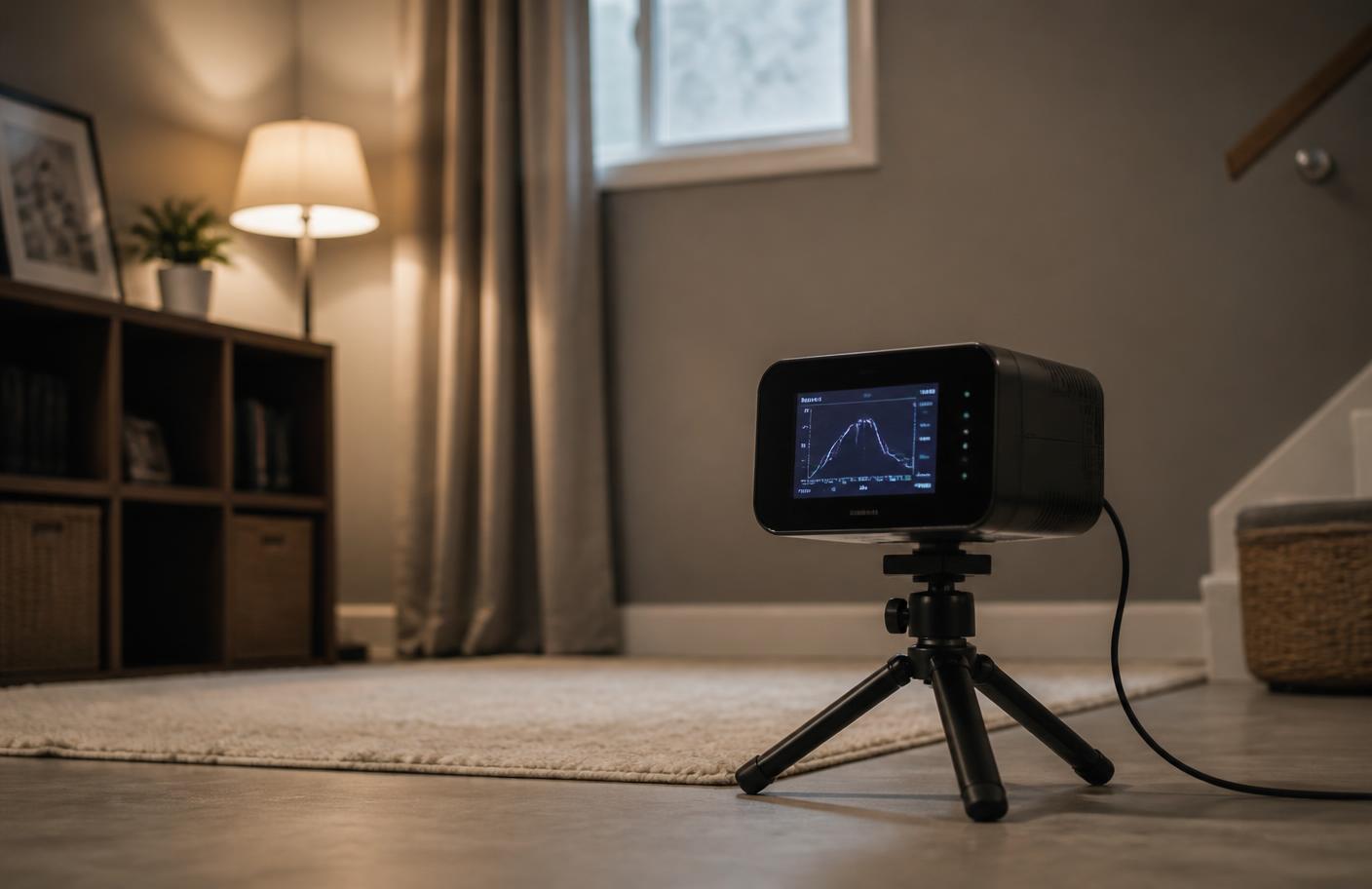
After installation, we document the manometer or gauge reading at each suction point, note the fan's operating status, and record the date the system was activated, which is the reference point for scheduling a valid post-abatement retest.
- Written pre-installation scope: suction points, sealing, fan specification
- Photo documentation of suction pit, sealing work and fan installation
- Post-installation pressure readings at each suction point
- Activation date recorded for retest scheduling
Abatement in Commercial and Multi-Unit Property Files
Commercial property managers and multifamily owners often need abatement records for insurance, lending or tenant disclosure purposes beyond what a single-family homeowner would ever request. We scale the same documentation approach to these properties: a building-wide scope covering each zone or unit treated, individual suction point data where applicable, and a summary suitable for inclusion in a property's compliance file.
For a commercial building with several tenant spaces on a shared slab, the scope will typically describe zone-by-zone suction coverage and note any HVAC interaction, such as a rooftop unit creating negative pressure that could affect how well a suction point performs in a specific tenant space.
Multifamily and Rental Property Considerations
Multi-unit buildings sometimes need per-unit documentation even when the mitigation system serves the whole building, since owners frequently need to show individual tenants or leasing files that a specific unit's radon level and abatement status. We can structure reporting to match how the property is managed, whether that is by building, by wing, or by individual unit.
How Abatement Scope Affects Installation
A documented scope is not just paperwork after the fact, it shapes decisions before we drill anything. Knowing that a file needs specific pressure data at each suction point means we plan test hole placement during the diagnostic walkthrough so those same points can be re-measured and recorded once the fan is running, giving before-and-after data rather than a single post-installation snapshot.
It also means we are explicit in the proposal about what is included and what is not, for example whether crack sealing throughout the basement is part of the abatement scope or a separate recommendation, since ambiguity in a real estate file can create disputes at closing.
Serving Real Estate and Commercial Clients Across Central Indiana
We provide abatement scopes and documentation for residential transactions throughout Marion County and surrounding communities including Carmel, Fishers, Greenwood and Plainfield, as well as commercial and multifamily properties across the same footprint. Whether the file is for a single home sale contingency or a commercial building's compliance records, the underlying documentation standard stays the same.